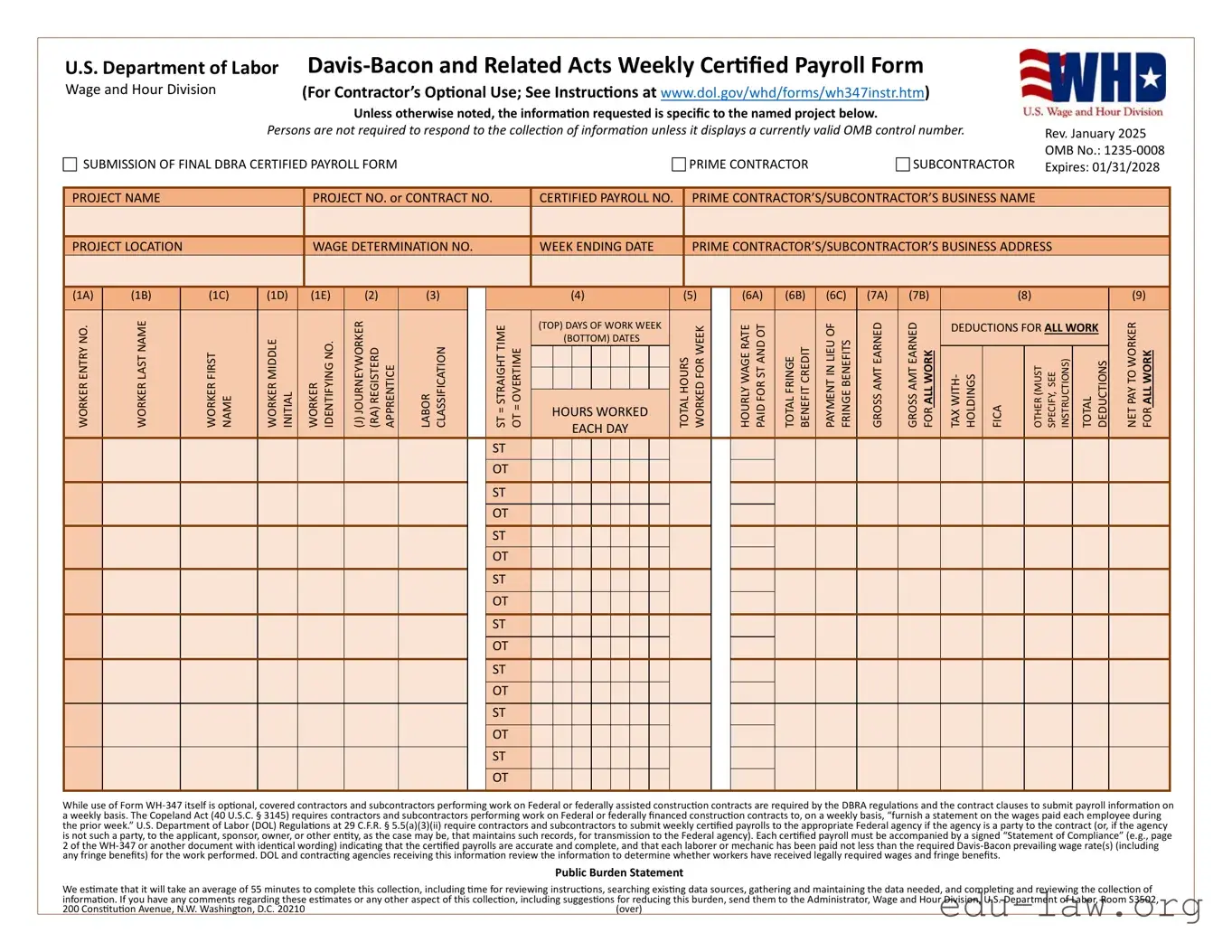
The U.S. Department of Labor (DoL) plays a vital role in protecting the rights of workers and ensuring fair labor practices across the nation. One essential tool in this mission is the DoL form, which serves various purposes, including reporting workplace injuries, filing wage complaints, and applying for unemployment benefits. Understanding the DoL form is crucial for employees and employers alike, as it outlines the necessary steps to address workplace issues effectively. Whether you need to document a safety violation, seek assistance for unpaid wages, or navigate the complexities of labor laws, this form provides a structured way to communicate your concerns to the appropriate authorities. Familiarity with the form's requirements can empower workers to advocate for their rights while helping employers maintain compliance with federal regulations. This article will delve into the key aspects of the DoL form, guiding you through its importance and the process of completing it accurately.
U.S. Department of Labor
Wage and Hour Division |
(For Contractor’s Optional Use; See Instructions at www.dol.gov/whd/forms/wh347instr.htm) |
||
|
Unless otherwise noted, the information requested is specific to the named project below. |
|
|
|
Persons are not required to respond to the collection of information unless it displays a currently valid OMB control number. |
||
SUBMISSION OF FINAL DBRA CERTIFIED PAYROLL FORM |
PRIME CONTRACTOR |
SUBCONTRACTOR |
|
Rev. January 2025
OMB No.:
Expires: 01/31/2028
PROJECT NAME |
PROJECT NO. or CONTRACT NO. |
CERTIFIED PAYROLL NO. |
PRIME CONTRACTOR’S/SUBCONTRACTOR’S BUSINESS NAME |
PROJECT LOCATION |
WAGE DETERMINATION NO. |
WEEK ENDING DATE |
PRIME CONTRACTOR’S/SUBCONTRACTOR’S BUSINESS ADDRESS |
(1A) |
(1B) |
(1C) |
(1D) |
(1E) |
|
(2) |
|
(3) |
|
|
(4) |
(5) |
(6A) |
(6B) |
(6C) |
(7A) |
(7B) |
|
|
(8) |
|
|
NO.ENTRYWORKER |
NAMELASTWORKER |
FIRSTWORKER NAME |
MIDDLEWORKER INITIAL |
WORKER NO.IDENTIFYING |
JOURNEYWORKER(J) |
REGISTERD(RA) |
APPRENTICE |
LABOR CLASSIFICATION |
TIMESTRAIGHT=ST |
OVERTIME=OT |
(TOP) DAYS OF WORK WEEK |
HOURSTOTAL WEEKFORWORKED |
RATEWAGEHOURLY ANDSTFORPAIDOT |
FRINGETOTAL CREDITBENEFIT |
LIEUINPAYMENTOF BENEFITSFRINGE |
EARNEDAMTGROSS |
EARNEDAMTGROSS WORKALLFOR |
DEDUCTIONS FOR ALL WORK |
||||
(BOTTOM) DATES |
FICA |
(MUSTOTHER |
SEESPECIFY, INSTRUCTIONS) |
TOTAL DEDUCTIONS |
||||||||||||||||||
|
|
|
|
|
|
|
|
|
|
|
|
|
|
|
|
|
|
|
|
|
|
|
|
|
|
|
|
|
|
|
|
|
|
HOURS WORKED |
|
|
|
|
|
|
|
|
|
|
|
|
|
|
|
|
|
|
|
|
|
|
EACH DAY |
|
|
|
|
|
|
|
|
|
|
|
(9) |
FOR ALL WORK
NET PAY TO WORKER
ST
OT
ST
OT
ST
OT
ST
OT
ST
OT
ST
OT
ST
OT
ST
OT
While use of Form
Public Burden Statement
We estimate that it will take an average of 55 minutes to complete this collection, including time for reviewing instructions, searching existing data sources, gathering and maintaining the data needed, and completing and reviewing the collection of |
|
information. If you have any comments regarding these estimates or any other aspect of this collection, including suggestions for reducing this burden, send them to the Administrator, Wage and Hour Division, U.S. Department of Labor, Room S3502, |
|
200 Constitution Avenue, N.W. Washington, D.C. 20210 |
(over) |
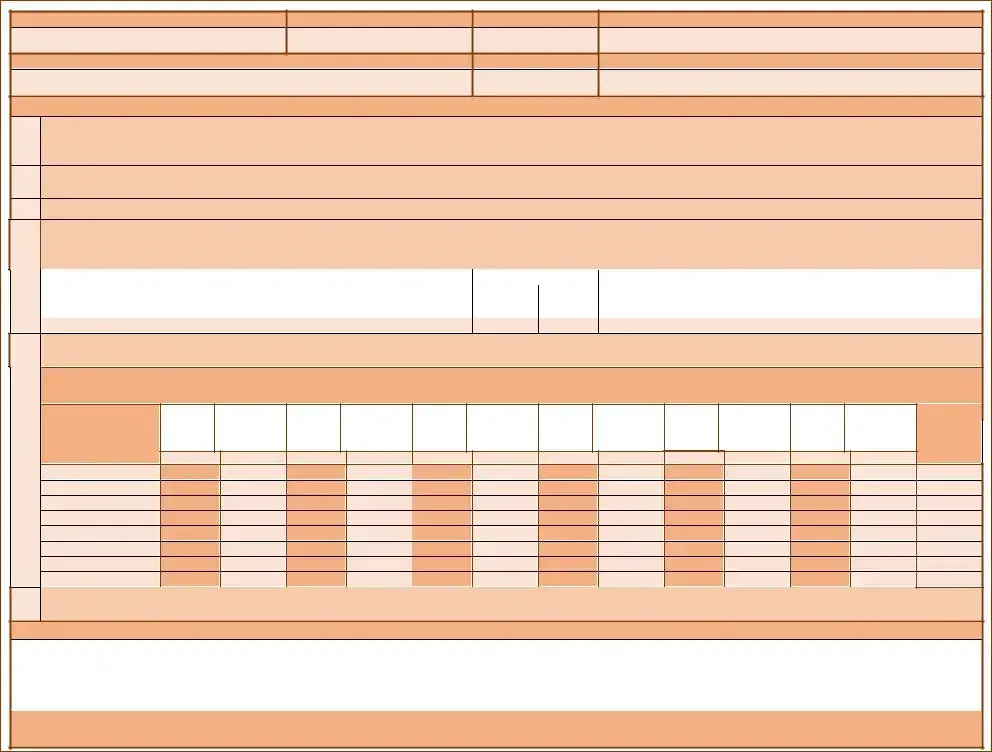
PROJECT NAME |
PROJECT NO. or CONTRACT NO. |
PAYROLL NO. |
PRIME CONTRACTOR’S/SUBCONTRACTOR’S BUSINESS NAME |
PROJECT LOCATION |
|
WEEK ENDING DATE |
CERTIFYING OFFICIAL’s NAME AND TITLE |
I paid or supervised the payment of the laborers or mechanics working on the above project during the stated time period. I certify the following:
The payroll information submitted with this statement is correct and complete for the above project during the above period, and the wage and fringe benefit rates paid to the workers,
including credit taken for the reasonably anticipated costs of a bona fide fringe benefit plan, fund or program, are not less than the applicable wage and fringe benefits rates for the classification(s) of work actually performed, as specified in the wage determination(s) incorporated into the contract.
All regular payrolls and all other basic records that the contractor is required to maintain for this payroll period are complete and accurate and will be made available upon request from the
agency or the Department of Labor.
The classifications reported for each laborer or mechanic are the classification(s) of work that each worker actually performed.
Any workers paid as apprentices during the above period are duly registered in a bona fide apprenticeship program registered with the Office of Apprenticeship, Employment and Training
Administration, United States Department of Labor (“OA”), or a State Apprenticeship Agency (“SAA”) recognized by Department of Labor. I have verified the registered apprenticeship program information provided below as accurate and applicable to any apprentices identified on page 1 of this form.
APPRENTICESHIP PROGRAM NAME |
|
REGISTERED |
NAME OF LABOR CLASSIFICATION |
|
|||
|
|
OA |
|
SAA |
|
|
|
|
|
OA |
|
SAA |
|
|
|
|
|
OA |
|
SAA |
|
|
|
Fringe benefits have been paid in cash and/or to bona fide fringe benefit plans, funds, or programs. Where the contractor is claiming an hourly credit for their contributions to or reasonably
anticipated costs of a bona fide fringe benefit plan, fund, or program, provide plan information and the hourly credit claimed for each worker listed on the previous page of this form.
HOURLY CREDIT FOR FRINGE BENEFITS
If an amount is listed in (6B) on the first page of this certified payroll form, enter the hourly credit claimed under each plan name, type and number for each worker and check whether the plan is funded or unfunded.
|
|
|
FB NAME |
|
|
|
FB NAME |
|
|
|
FB NAME |
|
|
|
FB NAME |
|
|
|
FB NAME |
|
|
|
FB NAME |
|
|
|
|
TOTAL |
|
|
|
FB TYPE |
|
|
|
FB TYPE |
|
|
|
FB TYPE |
|
|
|
FB TYPE |
|
|
|
FB TYPE |
|
|
|
FB TYPE |
|
|
|
|
|
NAME OF WORKER |
|
|
|
|
|
|
|
|
|
|
|
|
|
|
|
|
|
|
|
|
|
HOURLY |
||||||
|
|
PLAN NO. |
|
|
|
PLAN NO. |
|
|
|
PLAN NO. |
|
|
|
PLAN NO. |
|
|
|
PLAN NO. |
|
|
|
PLAN NO. |
|
|
|
|
||
|
|
|
|
|
|
|
|
|
|
|
|
|
|
|
|
|
|
|
|
|
|
CREDIT |
|
Funded |
Unfunded |
Funded |
Unfunded |
Funded |
Unfunded |
Funded |
Unfunded |
Funded |
Unfunded |
Funded |
Unfunded |
|
|
Hourly Credit |
$ |
Hourly Credit |
$ |
Hourly Credit |
$ |
Hourly Credit |
$ |
Hourly Credit |
$ |
Hourly Credit |
$ |
$ |
|
Hourly Credit |
$ |
Hourly Credit |
$ |
Hourly Credit |
$ |
Hourly Credit |
$ |
Hourly Credit |
$ |
Hourly Credit |
$ |
$ |
|
Hourly Credit |
$ |
Hourly Credit |
$ |
Hourly Credit |
$ |
Hourly Credit |
$ |
Hourly Credit |
$ |
Hourly Credit |
$ |
$ |
|
Hourly Credit |
$ |
Hourly Credit |
$ |
Hourly Credit |
$ |
Hourly Credit |
$ |
Hourly Credit |
$ |
Hourly Credit |
$ |
$ |
|
Hourly Credit |
$ |
Hourly Credit |
$ |
Hourly Credit |
$ |
Hourly Credit |
$ |
Hourly Credit |
$ |
Hourly Credit |
$ |
$ |
|
Hourly Credit |
$ |
Hourly Credit |
$ |
Hourly Credit |
$ |
Hourly Credit |
$ |
Hourly Credit |
$ |
Hourly Credit |
$ |
$ |
|
Hourly Credit |
$ |
Hourly Credit |
$ |
Hourly Credit |
$ |
Hourly Credit |
$ |
Hourly Credit |
$ |
Hourly Credit |
$ |
$ |
|
Hourly Credit |
$ |
Hourly Credit |
$ |
Hourly Credit |
$ |
Hourly Credit |
$ |
Hourly Credit |
$ |
Hrly Credit |
$ |
$ |
|
All workers on the project have been paid the full weekly wages earned, and no rebates or deductions have been or will be made either directly or indirectly, other than permissible |
|
|||||||||||
deductions as defined in 29 CFR part 3. |
|
|
|
|
|
|
|
|
|
|
|
||
ADDITIONAL REMARKS
|
|
|
|
|
|
|
|
|
|
|
|
|
|
|
|
SIGNATURE OF CERTIFYING OFFICIAL |
|
|
DATE |
|
|
TELEPHONE NUMBER |
|
|
EMAIL ADDRESS |
|
|
|
|
|
|
|
|
|
|
( __ __ __ ) __ __ __ – __ __ __ __ |
|
|
|
|
|
|
|
|
|
|
|
|
|
|
|
|
|
|
|
THE WILLFUL FALSIFICATION OF ANY OF THE ABOVE STATEMENTS MAY SUBJECT THE CONTRACTOR OR SUBCONTRACTOR TO CIVIL OR CRIMINAL PROSECUTION (SEE SECTION 1001 OF TITLE 18 AND SECTION 3729 OF TITLE 31 OF THE UNITED STATES CODE), AS WELL AS DEBARMENT FROM FUTURE FEDERAL AND
| Fact Name | Description |
|---|---|
| Purpose | The U.S. Department of Labor (DoL) form is used to collect information related to labor laws and regulations. |
| Types of Forms | There are various forms under the DoL, including those for wage and hour laws, workplace safety, and employee benefits. |
| State-Specific Forms | Many states have their own specific forms that comply with state labor laws, such as California Labor Code or New York Labor Law. |
| Filing Requirements | Employers must ensure that they fill out and submit the correct forms to remain compliant with federal and state regulations. |
| Accessibility | DoL forms are available online, making them accessible for employers and employees to obtain and submit. |
| Compliance Importance | Filing the correct forms helps protect employee rights and ensures that employers adhere to labor laws. |
Filling out the U.S. Department of Labor form is an important step in addressing your needs. Following these instructions will help ensure that you complete the form accurately and efficiently. After filling out the form, you will need to submit it according to the guidelines provided.
What is the U.S. Department of Labor (DoL) form?
The U.S. Department of Labor (DoL) form refers to various forms used for different purposes related to labor laws and regulations. These forms can include applications for unemployment benefits, wage claims, workplace safety reports, and more. Each form serves a specific function and is essential for ensuring compliance with labor laws and protecting workers' rights.
Who needs to fill out a DoL form?
Individuals seeking benefits, employers reporting workplace injuries, or organizations applying for grants may need to fill out a DoL form. Workers who believe their rights have been violated under labor laws, such as the Fair Labor Standards Act or the Occupational Safety and Health Act, may also be required to submit specific forms to initiate investigations or claims.
How can I access a DoL form?
Accessing a DoL form is straightforward. You can visit the official U.S. Department of Labor website, where a variety of forms are available for download. Additionally, local DoL offices may provide physical copies of the forms. If you are unsure which form you need, the website offers guidance to help you identify the correct one based on your situation.
What information is typically required on a DoL form?
While the required information varies by form, most DoL forms will ask for basic personal details such as your name, address, and Social Security number. You may also need to provide specifics about your employment, the nature of your claim, or any relevant incidents. Always read the instructions carefully to ensure you provide all necessary information.
Can I submit a DoL form online?
Many DoL forms can be submitted online, depending on the type of claim or application. The U.S. Department of Labor has developed online systems to facilitate submissions for various services, such as unemployment benefits. However, some forms may still require physical submission by mail or in person, so it’s important to check the specific submission guidelines for the form you are using.
What happens after I submit a DoL form?
After submitting a DoL form, you will typically receive confirmation of your submission. The processing time can vary widely based on the type of form and the volume of claims being handled. You may be contacted for additional information or clarification. It’s advisable to keep a copy of your submission and any correspondence for your records.
Are there deadlines for submitting DoL forms?
Yes, many DoL forms have specific deadlines. For instance, unemployment benefit claims often must be submitted within a certain timeframe following job loss. Similarly, wage claims may have strict time limits based on when the alleged violation occurred. It’s crucial to be aware of these deadlines to ensure that your claim is considered.
What if I make a mistake on my DoL form?
If you discover an error after submitting a DoL form, it’s important to address it promptly. Depending on the form, you may be able to submit a corrected version or provide additional information to clarify the mistake. Contacting the appropriate department or office for guidance can help you resolve the issue without jeopardizing your claim.
Where can I find assistance if I have questions about a DoL form?
If you have questions about completing a DoL form, various resources are available. The U.S. Department of Labor website offers detailed instructions and FAQs. Additionally, local labor offices can provide assistance. Nonprofit organizations and legal aid services may also offer guidance, particularly for individuals facing complex situations or disputes.
Incomplete Information: One common mistake is leaving sections of the form blank. Each part of the form is important and helps to provide a complete picture of the situation. Failing to fill out all required fields can lead to delays or even rejection of the application.
Incorrect Details: Providing inaccurate information can be problematic. This includes misspellings, wrong dates, or incorrect numbers. Such errors can cause confusion and may require the form to be resubmitted.
Not Following Instructions: Each form comes with specific instructions. Ignoring these can lead to mistakes. For example, some forms require signatures in certain places or specific documentation to be attached.
Missing Deadlines: Submitting the form late can result in complications. It's crucial to be aware of any deadlines associated with the form to ensure timely processing. Marking these dates on a calendar can be helpful.
When dealing with labor-related matters in the United States, various forms and documents may be required in conjunction with the U.S. Department of Labor (DoL) form. Each of these documents serves a specific purpose and can help ensure compliance with labor laws and regulations.
Understanding these forms and documents is important for both employers and employees. Proper documentation can help prevent disputes and ensure compliance with labor laws, contributing to a fair and productive workplace environment.
The U.S. Department of Labor (DoL) form is similar to the IRS Form 1040, which is the standard individual income tax return. Both forms require detailed information about an individual's financial situation. The IRS Form 1040 collects data on income, deductions, and credits, while the DoL form may gather information related to wages, hours worked, and employment status. Each form aims to ensure compliance with federal regulations and provides a means for individuals to report their financial activities accurately.
Another document that shares similarities with the U.S. DoL form is the W-2 form, which employers use to report wages paid to employees. Like the DoL form, the W-2 captures essential information about an employee's earnings and tax withholdings. Both documents are crucial for ensuring that employees receive proper compensation and that taxes are accurately reported to the government.
The Employment Eligibility Verification Form (I-9) is also comparable to the U.S. DoL form. The I-9 is used to verify an employee's identity and eligibility to work in the United States. Both forms require personal information and documentation to confirm compliance with federal laws. They help protect workers’ rights and ensure that employers follow legal hiring practices.
The Fair Labor Standards Act (FLSA) compliance form is another document that aligns with the U.S. DoL form. This form is used by employers to demonstrate adherence to minimum wage and overtime regulations. Similar to the DoL form, it collects information about employee hours and pay rates to ensure that workers are compensated fairly according to federal standards.
The Family and Medical Leave Act (FMLA) certification form shares similarities with the U.S. DoL form as well. This form is used to request leave for medical reasons or family emergencies. Both forms require specific information about the employee's situation and help protect workers’ rights to take necessary time off without fear of losing their job.
The Occupational Safety and Health Administration (OSHA) form is another document that has a parallel with the U.S. DoL form. OSHA forms are used to report workplace injuries and illnesses. Both forms focus on employee welfare and safety, requiring detailed information about incidents that affect workers’ health and safety on the job.
Lastly, the unemployment benefits application is similar to the U.S. DoL form. This application collects information about a person's employment history and reasons for unemployment. Both documents serve to protect workers' rights and provide necessary support during times of job loss. They ensure that individuals receive the benefits they are entitled to while navigating their employment situations.
When filling out the U.S. Department of Labor (DoL) form, it's crucial to approach the task with care. Here are some essential dos and don'ts to keep in mind:
By following these guidelines, you can enhance the likelihood of a smooth submission process. Make sure to stay organized and proactive throughout this important task.
Misconceptions about the U.S. Department of Labor (DoL) forms can lead to confusion and errors in submissions. Below are seven common misconceptions along with clarifications.
All DoL forms are the same. Many individuals believe that all forms from the Department of Labor serve the same purpose. In reality, each form is designed for specific applications, such as wage and hour claims, labor certifications, or workplace safety issues.
You can submit forms without supporting documentation. Some people think that forms can be submitted independently. However, most forms require additional documents to support the claims or requests being made.
Filing a form guarantees a favorable outcome. There is a misconception that submitting a DoL form will automatically result in a positive decision. The outcome depends on the details of the case and the evidence provided.
All forms can be submitted online. While many DoL forms are available for online submission, not all can be filed electronically. Some may require paper submissions or in-person visits.
Once a form is submitted, it cannot be changed. Many believe that submitted forms are final and cannot be amended. In fact, most forms can be revised or resubmitted if necessary, but it is important to follow the specific guidelines for corrections.
There is no deadline for submitting forms. Some individuals think that they can submit forms at any time without consequences. However, many forms have strict deadlines that must be adhered to in order to be considered valid.
Help is not available for filling out forms. A common belief is that individuals must complete forms on their own. In reality, there are resources and assistance available, including legal aid and community organizations, that can help navigate the process.
When filling out and using the U.S. Department of Labor (DoL) form, it is important to keep several key points in mind. These takeaways will help ensure that the process is smooth and effective.