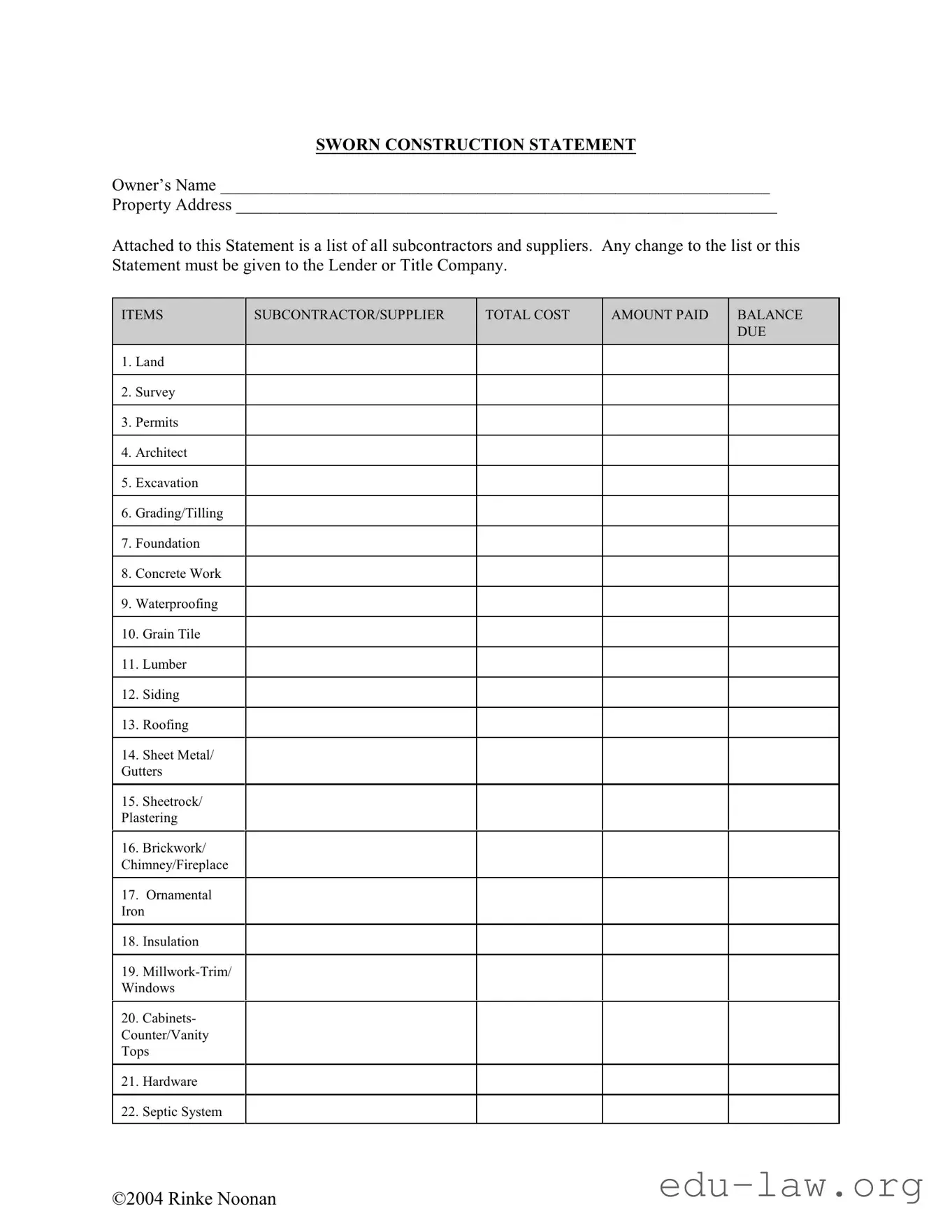
The Sworn Construction Statement form plays a crucial role in the construction financing process. This document is essential for both contractors and property owners, as it outlines the costs associated with a construction project. It includes a comprehensive list of all subcontractors and suppliers involved in the work, ensuring transparency and accountability. The form requires detailed information about various construction items, ranging from land and permits to plumbing and electrical work. Each item is accompanied by a total cost, amount paid, and balance due, which helps track expenses throughout the project. Additionally, any changes to the list of subcontractors or the statement itself must be communicated to the lender or title company. This form not only serves as a financial declaration but also protects all parties involved by confirming that there are no outstanding contracts or unpaid bills related to the project. By signing the Sworn Construction Statement, the contractor and owner agree to specific terms regarding payment and the handling of any potential liens, fostering a smoother construction process.
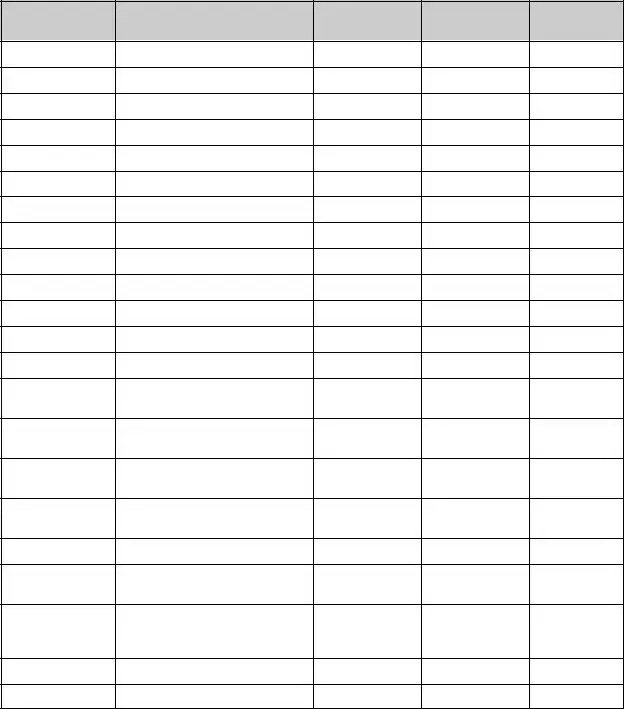
SWORN CONSTRUCTION STATEMENT
Owner’s Name ________________________________________________________________
Property Address _______________________________________________________________
Attached to this Statement is a list of all subcontractors and suppliers. Any change to the list or this Statement must be given to the Lender or Title Company.
ITEMS
1.Land
2.Survey
3.Permits
4.Architect
5.Excavation
6.Grading/Tilling
7.Foundation
8.Concrete Work
9.Waterproofing
10.Grain Tile
11.Lumber
12.Siding
13.Roofing
14.Sheet Metal/ Gutters
15.Sheetrock/ Plastering
16.Brickwork/
Chimney/Fireplace
17.Ornamental
Iron
18.Insulation
19.
20.Cabinets- Counter/Vanity Tops
21.Hardware
22.Septic System
SUBCONTRACTOR/SUPPLIER
TOTAL COST
AMOUNT PAID
BALANCE DUE
©2004 Rinke Noonan
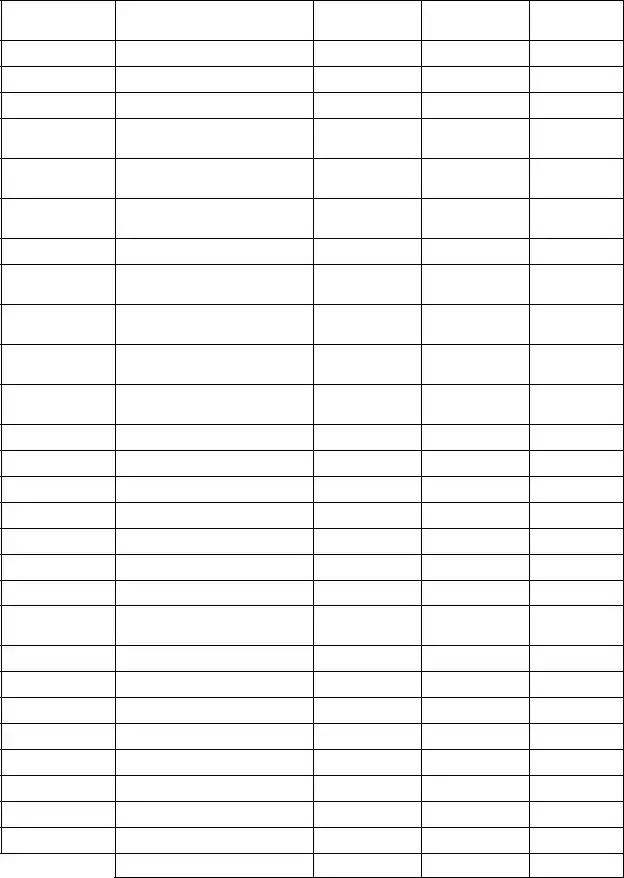
23.Water/Gas/ Sewer Hookup
24.Well
25.Plumbing
26.Heating
27.Air Conditioning
28.Electrical Wiring
29.Electrical Fixtures
30.Glass/Mirrors
31.Painting/ Interior Decorating
32.Painting - Exterior
33.Tile Work - Ceramic/Plastic
34.Linoleum/Floor Tile
35.Carpeting
36.Garage Doors
37.Appliances
38.Blacktopping
39.Bedding/Sod
40.Landscaping
41.Carpenter Labor
42.Contractor’s
Fee
43.Furnishings
44.
45.
46.
47.
48.
49.
50.
TOTALS
©2004 Rinke Noonan
The undersigned contractor and owner of the Property state that the attached list contains the names of all subcontractors and suppliers for specific portions of the work on this Property. All material costs shown are correct. The items mentioned include all labor and material required to complete the building according to plans and specifications and there are no other contracts outstanding. There is nothing due or to become due for materials, labor or other work other than as above stated.
To increase the cost of construction, owner or contractor must furnish to the Lender and the Title Company with additional owner deposits (if requested) to cover the increase. In the event of an increase, no orders or claims will be made until the information and additional deposits shall have been made. The purpose of this Statement is to induce the Title Company to pay out of the proceeds of a loan of $____________________, secured by a mortgage on the Property; and that upon payment of the specific
unpaid items listed herein, the undersigned contractor hereby agrees to waive all claims of priority to said mortgage. The undersigned hereby authorizes Lender and Title Company to disburse the proceeds of the above real estate mortgage, together with such additional funds as undersigned furnishes and makes available, to the Contractor and/or subcontractors from time to time as work progresses, on the basis of the Construction Statement and lien waivers presented.
The undersigned specifically agrees to pay any unpaid bills for construction or site improvements, to remove mechanic’s liens should any be filed against said Property, and to pay all bills, costs, expenses and legal fees; and indemnify said company against any loss should it become necessary for the company to bring action to remove the lien or to pay the bills.
The parties agree to appoint the Title Company as Escrow Agent; and the Lender is authorized to advance to the Escrow Agent from time to time during the progress of construction adequate funds to pay for costs of construction as warranted by lender’s periodic inspection of progress of construction.
A facsimile signature on this Statement is valid as an original.
Subscribed and sworn to before this ______ |
______________________________________ |
|
Contractor |
___________________________________ |
|
(Date) |
______________________________________ |
|
Signature |
___________________________________ |
|
Notary Public |
______________________________________ |
|
Contractor (Title) |
|
______________________________________ |
|
Owner |
|
______________________________________ |
|
Owner |
©2004 Rinke Noonan
| Fact Name | Description |
|---|---|
| Purpose | The Sworn Construction Statement form is used to provide a detailed account of all subcontractors and suppliers involved in a construction project. |
| Required Attachments | A list of all subcontractors and suppliers must be attached to this statement for it to be valid. |
| Change Notification | Any changes to the list of subcontractors or the statement itself must be communicated to the lender or title company. |
| Cost Breakdown | The form includes a breakdown of costs related to various construction items, such as permits, materials, and labor. |
| Legal Authority | In many states, the Sworn Construction Statement is governed by specific laws related to construction liens and contractor obligations. |
| Waiver of Claims | By signing the form, the contractor waives claims of priority to the mortgage upon payment of the listed unpaid items. |
| Signature Validity | A facsimile signature on this statement is considered valid as an original, streamlining the process for all parties involved. |
After gathering the necessary information, the next step involves completing the Sworn Construction Statement form. This form requires specific details about the property, the owner, and the associated costs of construction. It is essential to provide accurate information to ensure a smooth process with the lender and title company.
What is a Sworn Construction Statement?
A Sworn Construction Statement is a document that outlines the costs and details related to construction work on a property. It includes a list of subcontractors and suppliers, as well as a breakdown of various construction items and their associated costs. This statement is often required by lenders and title companies to ensure transparency and accountability in construction financing.
Who needs to fill out the Sworn Construction Statement?
The contractor and the property owner must complete the Sworn Construction Statement. Both parties need to ensure that all subcontractors and suppliers are accurately listed and that the costs are correctly stated. This is crucial for securing financing and avoiding any potential disputes.
What information is included in the Sworn Construction Statement?
The statement includes the owner’s name, property address, and a detailed list of construction items. Each item has columns for total cost, amount paid, and balance due. Additionally, it requires the signatures of the contractor and the owner, along with a notary public’s acknowledgment.
Why is it important to list all subcontractors and suppliers?
Listing all subcontractors and suppliers is vital because it ensures that everyone involved in the construction process is accounted for. This transparency helps protect the property owner and the lender by minimizing the risk of unpaid bills or mechanic’s liens, which could arise if a subcontractor is not properly acknowledged.
What happens if there are changes to the list of subcontractors or suppliers?
If there are any changes to the list of subcontractors or suppliers, the contractor or owner must promptly notify the lender or title company. Keeping this information updated is crucial to maintain the integrity of the financing process and to avoid potential legal issues.
How does the Sworn Construction Statement affect loan disbursement?
The Sworn Construction Statement is used to facilitate the disbursement of loan proceeds from the lender to the contractor or subcontractors. It serves as a basis for the lender to release funds as work progresses, ensuring that payments are made for completed work and materials.
What are the consequences of not paying subcontractors?
If subcontractors are not paid, they may file a mechanic’s lien against the property. This can lead to legal complications and financial liabilities for the property owner. The Sworn Construction Statement helps mitigate this risk by ensuring that all parties are acknowledged and paid as agreed.
Is a facsimile signature acceptable on the Sworn Construction Statement?
Yes, a facsimile signature is considered valid as an original on the Sworn Construction Statement. This allows for easier processing and can expedite the financing process, especially when parties are not able to sign in person.
What should I do if I have more questions about the Sworn Construction Statement?
If you have additional questions, it is best to consult with a legal professional or your lender. They can provide guidance specific to your situation and ensure that you understand all requirements and implications of the Sworn Construction Statement.
Incomplete Information: Failing to provide all required details, such as the owner's name or property address, can lead to delays or rejections of the form.
Missing Subcontractor and Supplier List: Not attaching a complete list of subcontractors and suppliers can result in complications during the approval process.
Incorrect Itemization: Listing items inaccurately or omitting necessary components can create discrepancies in the total cost and affect funding.
Failure to Update Changes: Not informing the lender or title company of any changes to the list or statement can lead to legal issues or funding problems.
Signature Issues: Not providing a valid signature or failing to have the document notarized can invalidate the statement.
Ignoring Payment Obligations: Not acknowledging the responsibility to pay any unpaid bills or remove mechanic’s liens can lead to financial and legal repercussions.
Facsimile Signature Misunderstanding: Assuming that a facsimile signature is not valid can result in unnecessary delays or disputes.
The Sworn Construction Statement form is an essential document in the construction process, ensuring transparency and accountability between contractors, subcontractors, and lenders. However, it is often accompanied by several other important forms and documents that help facilitate the construction project and protect the interests of all parties involved. Below is a list of these commonly used forms.
Each of these documents plays a crucial role in the construction process, helping to ensure that projects are completed on time, within budget, and in compliance with all applicable laws and regulations. Properly managing these forms can lead to a smoother construction experience and protect the interests of everyone involved.
The Sworn Construction Statement is similar to a Construction Contract. A Construction Contract outlines the terms between the property owner and the contractor. It details the scope of work, payment terms, and timelines. Both documents aim to clarify responsibilities and expectations, ensuring that all parties understand their obligations. The Construction Contract may also include provisions for changes in the work, similar to how the Sworn Construction Statement requires updates to the list of subcontractors and suppliers.
Another document that resembles the Sworn Construction Statement is the Lien Waiver. A Lien Waiver is a document that contractors and subcontractors sign to relinquish their right to file a lien against a property. This is important for the property owner, as it ensures that they will not face claims for unpaid work. Like the Sworn Construction Statement, the Lien Waiver helps protect the financial interests of the parties involved by confirming that payments have been made for services rendered.
The Payment Application is also similar to the Sworn Construction Statement. A Payment Application is submitted by a contractor to request payment for completed work. It typically includes a breakdown of costs and the status of the project. Both documents serve to communicate financial details related to construction projects, ensuring that payments are made based on work completed and materials supplied.
The Change Order is another related document. A Change Order is used to modify the original construction agreement. It details changes in scope, costs, or timelines. The Sworn Construction Statement requires that any changes to the list of subcontractors or suppliers be communicated to the lender or title company, similar to how a Change Order must be documented and approved to be valid.
A Bid Proposal is also comparable to the Sworn Construction Statement. A Bid Proposal outlines the contractor's plan and costs for a construction project. It helps the property owner understand what to expect in terms of services and pricing. Both documents emphasize transparency in costs and services, allowing for informed decision-making by the property owner.
The Schedule of Values shares similarities with the Sworn Construction Statement as well. A Schedule of Values is a detailed list of all components of a construction project, often used for billing purposes. It breaks down costs into specific categories, much like the itemized list in the Sworn Construction Statement. This helps both the contractor and property owner track expenses and ensure that payments align with the work completed.
The Contractor's Affidavit is another document that aligns with the Sworn Construction Statement. This affidavit confirms that the contractor has paid all subcontractors and suppliers for the work performed. Similar to the Sworn Construction Statement, it provides assurance to the property owner and lender that there are no outstanding debts related to the project.
The Subcontractor Agreement is also similar. This agreement outlines the relationship between the general contractor and subcontractors. It specifies the work to be done, payment terms, and responsibilities. Like the Sworn Construction Statement, it ensures that all parties are clear about their roles and obligations, which helps prevent misunderstandings during the construction process.
The Final Release of Lien is another document that shares characteristics with the Sworn Construction Statement. This document is signed by contractors and subcontractors upon receiving final payment, confirming that they will not file a lien against the property. Both documents aim to protect the property owner from future claims, ensuring that all financial obligations have been met.
Lastly, the Construction Draw Schedule is similar to the Sworn Construction Statement. This schedule outlines when payments will be made during the construction process, often tied to specific milestones. It helps both the contractor and property owner manage cash flow and ensures that payments correspond with the progress of the work, similar to how the Sworn Construction Statement details payment expectations based on completed tasks.
Filling out the Sworn Construction Statement form accurately is crucial for ensuring that all parties involved in a construction project are on the same page. Here are seven important dos and don'ts to keep in mind when completing this form.
By adhering to these guidelines, individuals can facilitate a more efficient and effective construction process, ultimately benefiting all parties involved.
This form is a crucial document in the construction process. It is typically required by lenders and title companies to ensure that all parties involved are aware of the financial commitments and obligations related to the construction project.
While the Sworn Construction Statement does include a breakdown of costs, it also serves to verify that all subcontractors and suppliers have been disclosed. This transparency helps prevent disputes over payments and responsibilities.
Any changes to the list of subcontractors or suppliers must be communicated to the lender or title company. This ensures that all parties are on the same page regarding the project's financial aspects.
The statement clearly outlines that the contractor agrees to pay any unpaid bills for construction or site improvements. This includes the responsibility to remove any mechanic’s liens that may arise.
Contrary to popular belief, a facsimile signature on the Sworn Construction Statement is considered valid and can be treated as an original signature. This helps streamline the process and avoid delays.
The Sworn Construction Statement is applicable to various types of construction projects, regardless of size. It is essential for ensuring proper documentation and financial accountability in any construction endeavor.
While the Sworn Construction Statement helps facilitate payment by providing a clear breakdown of costs, it does not guarantee that subcontractors will be paid. It is essential for contractors to manage their finances and obligations responsibly.
When filling out and using the Sworn Construction Statement form, consider the following key takeaways: