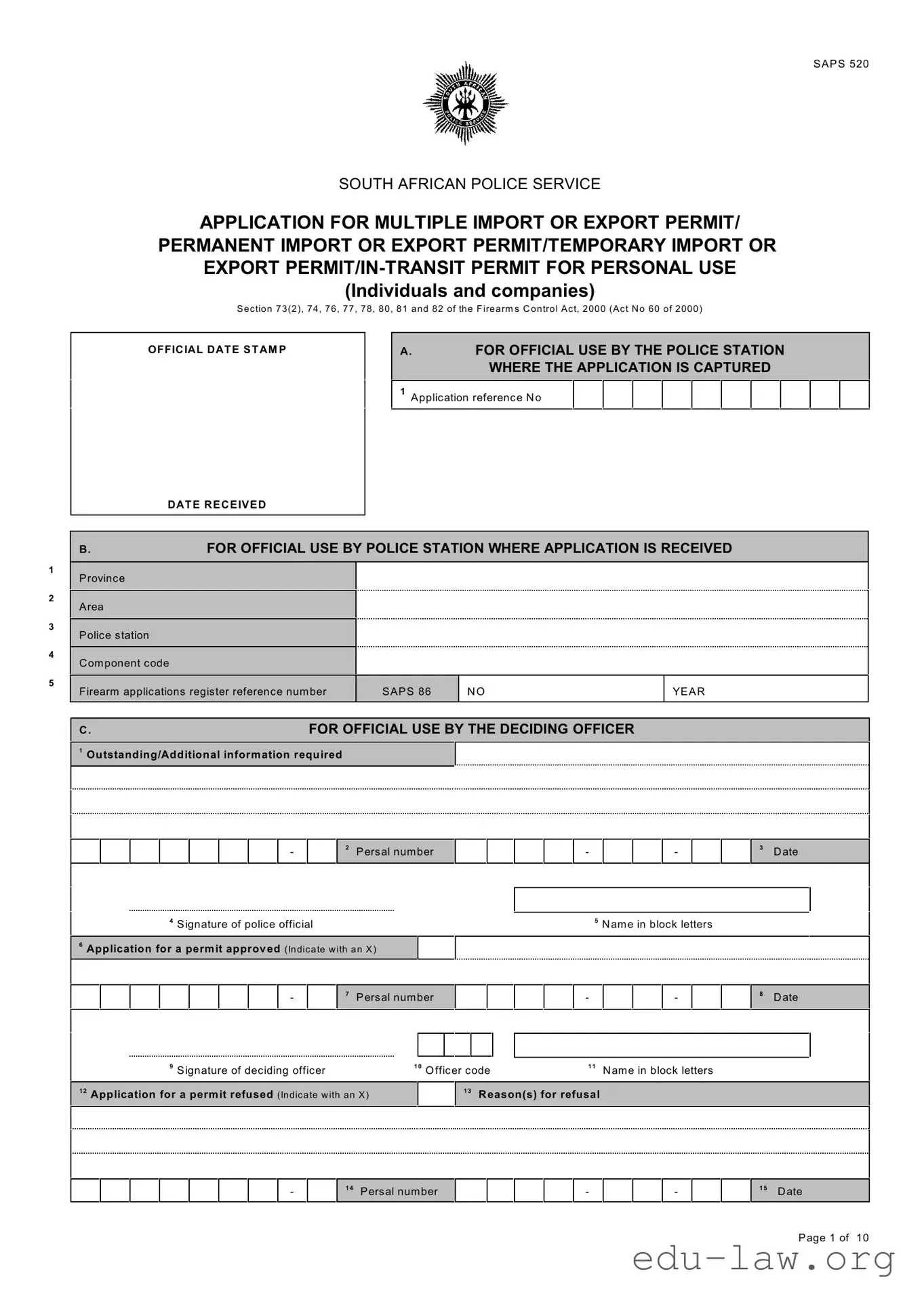
The SAPS 520 form is a critical document used in South Africa for individuals and companies seeking various types of permits related to the import and export of firearms. This form encompasses multiple categories, including multiple import or export permits, permanent permits, temporary permits, and in-transit permits specifically for personal use. It is governed by several sections of the Firearms Control Act of 2000, which outlines the legal framework for firearm transactions in the country. The form requires detailed information about the applicant, including personal identification, contact details, and marital status. For businesses, it also collects information about the responsible person and the company itself. Additionally, the SAPS 520 form mandates specifics about the firearms involved, such as type, make, model, and serial numbers, as well as details regarding the ammunition. Applicants must specify the country of origin and destination, the reason for the permit, and the transport route when applicable. The form also includes sections for official use by police stations, ensuring that all necessary approvals and verifications are documented. Overall, the SAPS 520 form serves as a comprehensive application tool for managing firearm permits within the legal framework established by South African law.
SAPS 520
SOUTH AFRICAN POLICE SERVICE
APPLICATION FOR MULTIPLE IMPORT OR EXPORT PERMIT/ PERMANENT IMPORT OR EXPORT PERMIT/TEMPORARY IMPORT OR EXPORT
S e c tion 73(2), 74, 76, 77, 78, 80, 81 and 82 of the Firearm s C ontrol Act, 2000 (Act No 60 of 2000)
OFFICIAL DATE STAM PA.FOR OFFICIAL USE BY THE POLICE STATION
WHERE THE APPLICATION IS CAPTURED
1
Application reference N o
DATE RECEIVED
B. |
FOR OFFICIAL USE BY POLICE STATION WHERE APPLICATION IS RECEIVED |
1
Province
2
Area
3
Police station
4
Component code
5
Firearm applications register reference num berSAPS 86 N OYEAR
C .FOR OFFICIAL USE BY THE DECIDING OFFICER
1 Outstanding/Additional information required
- |
2 Persal number |
- |
- |
3 |
4 Signature of police official |
5 Name in block letters |
6Application for a permit approved (Indicate w ith an X)
- |
7 Persal number |
- |
- |
8 |
Date
Date
9 Signature of deciding officer |
1 0 O fficer code |
1 1 Name in block letters |
1 2 Application for a permit refused (Indicate w ith an X) |
1 3 Reason(s) for refusal |
|
- |
1 4 Persal number |
- |
- |
1 5 Date |
Page 1 of 10

|
|
|
|
|
|
|
|
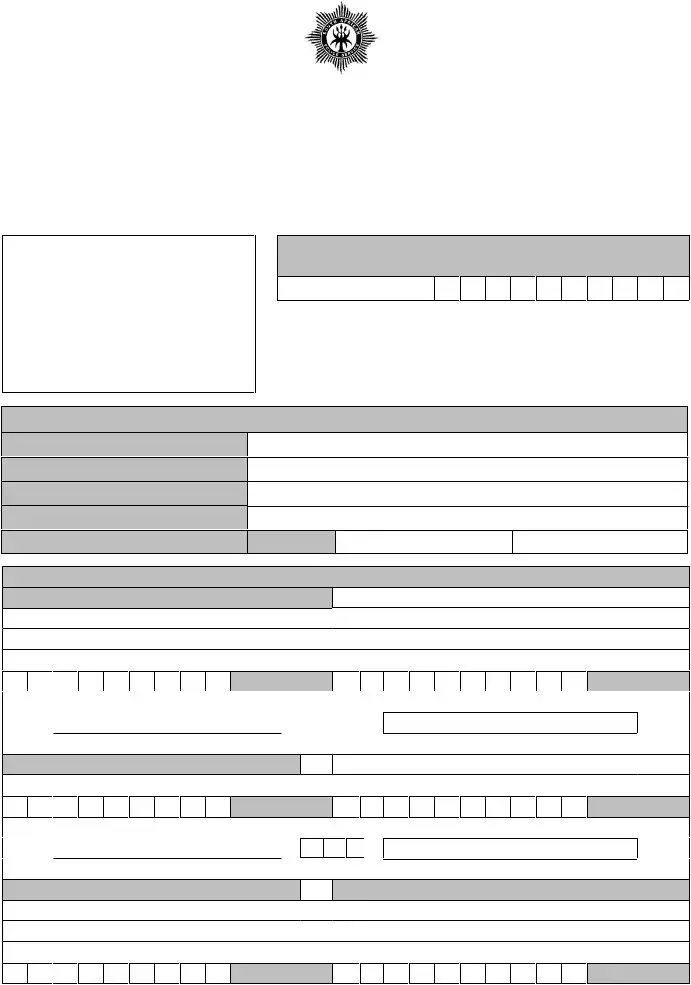
SAPS 520 |
1 6 Signature of deciding officer |
|
1 7 O fficer code |
1 8 |
Name in block letters |
|
|
||
D. |
|
|
TYPE OF PERMIT (In dic a te w ith an X) |
|
|
|
|
|
1 |
2 |
|
3 |
4 |
|
5 |
|
|
Multiple import or |
Import permit |
Export |
Temporary import |
|||||
export permit |
|
|
permit |
permit |
or export permit |
|
||
E. |
|
|
PARTICULARS OF APPLICANT |
|
|
|
|
|
1 |
|
|
|
|
|
|
|
|
NATURAL PERSON’S DETAILS |
|
|
|
|
|
|
|
|
2 |
|
|
|
|
|
|
|
|
Type of identification (Indicate w ith an X) |
|
|
|
|
|
|
|
|
2.1 |
Passport |
|
|
|
|
|
|
|
SA ID |
|
|
|
|
|
|
|
|
3 |
|
|
|
- |
|
|
- |
- |
Identity number of natural person |
|
|
|
|
||||
4 |
|
|
|
|
|
|
|
|
Passport number of natural person |
|
|
|
|
|
|
|
|
5 |
|
|
|
|
|
6 |
|
|
Surname |
|
|
|
|
|
Initials |
|
|
7 |
|
|
|
|
|
|
|
|
Full names |
|
|
|
|
|
|
|
|
8 |
- |
|
- |
9 |
|
10 |
Male |
Female |
Date of birth |
|
Age |
|
G ender |
||||
11 |
|
|
|
|
|
|
|
|
Residential address |
|
|
|
|
|
|
|
|
|
|
|
|
|
|
12 |
|
|
|
|
|
|
|
|
Postal Code |
|
|
13 |
|
|
|
|
|
|
|
|
Postal address |
|
|
|
|
|
|
|
|
|
|
|
|
|
|
14 Postal Code |
|
|
15 |
|
|
16 |
|
|
|
|
|
T rade or profession |
|
|
If |
|
|
|
||
17 |
|
|
|
|
|
|
|
|
Name of employer/company |
|
|
|
|
|
|
|
|
18 |
|
|
|
|
|
|
|
|
Business address |
|
|
|
|
|
|
|
|
|
|
|
|
|
|
19 |
|
|
|
|
|
|
|
|
Postal Code |
|
|
20 |
20.1 |
( |
) |
20.2 |
( |
) |
|
|
T elephone number |
Home |
W ork |
|
|
||||
20.3 |
|
|
|
21 |
( |
) |
|
|
Cellphone number |
|
|
|
Fax |
|
|
||
22 |
|
|
|
|
|
|
|
|
|
|
|
|
|
|
|
|
|
23
M arital status (Indicate w ith an X)
24
Single |
Married |
Divorced |
W idow |
W idower |
O ther (specify)
25
PART ICULARS OF APPLICANT’S SPOUSE/PART NER (If applicable)
25.1
Type of identification (Indicate w ith an X)
25.1.1 |
Passport |
|
|
|
SA ID |
|
|
|
|
25.2 |
|
- |
- |
- |
Identity number of spouse/partner |
||||
25.3
Passport number of spouse/partner
25.4
Full Name and Surname
26
JURISTIC PERSON’S DETAILS
Page 2 of 10

27
28
29
30
32
34
35
36
37
38
39
40
41
42
44
46
47
1
2
4
5
6
7
9
11
11.3
13
14
15
SAPS 520
Registered company name
Trading as name
FAR number
Postal address
|
|
|
|
|
|
|
31 |
|
|
|
|
|
|
|
|
Postal Code |
|
Business address |
|
|
|
|
|
|
|
|
|
|
|
|
|
|
|
33 |
|
|
|
|
|
|
|
|
Postal Code |
|
Business telephone number |
34.1 |
( |
) |
34.2 |
( |
|
) |
|
W ork |
Fax |
|
|
|||||
|
|
|
|
|
|
|
|
|
RESPONSIBLE PERSON’S DETAILS |
|
|
|
|
|
|
|
|
Responsible person (full name and surname) |
|
|
|
|
|
|
|
|
T ype of identification (In dic a te w ith an X) |
|
|
SA citizen |
|
||||
Identity number of responsible person |
|
|
|
- |
|
- |
- |
|
Passport number of responsible person |
|
|
|
|
|
|
|
|
Cellphone number |
|
|
|
|
|
|
|
|
Physical address |
|
|
|
|
|
|
|
|
|
|
|
|
|
|
|
43 |
|
|
|
|
|
|
|
|
Postal Code |
|
Postal address |
|
|
|
|
|
|
|
|
|
|
|
|
|
|
|
45 |
|
|
|
|
|
|
|
|
Postal Code |
|
T ype of competency certificate (If applicable) |
|
|
|
|
|
|
|
|
Date of issue |
- |
|
- |
48 |
|
|
- |
- |
|
Expiry date |
|
|
|||||
F. |
PARTICULARS OF THE CURRENT OWNER OF THE FIREARM(S) |
|
||||||
NATURAL PERSON’S DETAILS |
|
|
|
|
|
|
|
|
Surname |
|
|
|
|
|
|
3 |
|
|
|
|
|
|
|
Initials |
|
|
Full names |
|
|
|
|
|
|
|
|
Identity number of natural person |
|
|
|
|
- |
|
- |
- |
Passport number of natural person |
|
|
|
|
|
|
|
|
Residential address |
|
|
|
|
|
|
|
|
|
|
|
|
|
|
|
8 |
|
|
|
|
|
|
|
|
Postal Code |
|
Postal address |
|
|
|
|
|
|
|
|
|
|
|
|
|
|
|
10 |
|
|
|
|
|
|
|
|
Postal Code |
|
T elephone number |
11.1 |
( |
) |
11.2 |
|
( |
) |
|
Home |
W ork |
|
|
|||||
Cellphone number |
|
|
|
12 |
|
( |
) |
|
|
|
|
Fax |
|
|
|||
JURISTIC PERSON’S DETAILS
Registered company name
Page 3 of 10

16
17
18
19
21
23
24
25
26
27
28
29
30
31
33
1
2
3
4
5
6
7
8
9
9.1
1
SAPS 520
Trading as name
FAR number
Company registration or CC number
Postal address
20
Postal Code
*In case of a
Business address
|
|
|
22 |
|
|
|
|
Postal Code |
|
23.1 |
W ork |
23.2 |
Fax |
|
Business telephone number |
|
|
||
|
|
|
|
|
RESPONSIBLE PERSON’S DETAILS |
|
|
|
|
Responsible person (full name and surname) |
|
|
|
|
T ype of identification (In dic a te w ith an X) |
|
SA ID |
Passport number |
|
Identity number of responsible person |
|
- |
- |
- |
Passport number of responsible person |
|
|
|
|
Cellphone number |
|
|
|
|
Physical address |
|
|
|
|
|
|
|
32 |
|
|
|
|
Postal Code |
|
Postal address |
|
|
|
|
|
|
|
34 |
|
|
|
|
Postal Code |
|
G . |
|
IMPORT AND/OR EXPORT DETAILS |
|
|
Country of origin |
|
|
|
|
Country of destination |
|
|
|
|
Port of entry
Port of exit
Reason for permit
In case of a permanent import/export permit, submit the date on which the import/export will take place |
|
|
|||||
Date on which the import/export will take place |
|
|
Date |
- |
- |
||
In case of a multiple import or export permit/temporary import or export |
|
|
|||||
Period for which permit is required |
|
|
|
|
|
||
FRO M |
Date |
- |
- |
TO |
9.2 |
- |
- |
Date |
|||||||
H. |
|
TRANSPORTER’S DETAILS (C om plete only in the case of an in |
|
||||
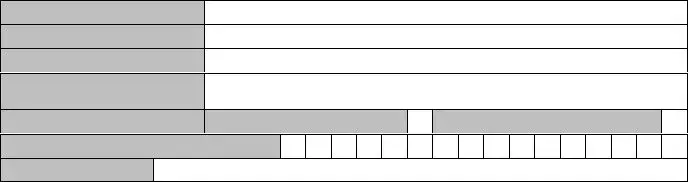
FAR number
Page 4 of 10
SAPS 520
2
Transporter’s name and surname
3
Transporter’s trading name
4
Method of transport
5
T ransporter’s responsible person (name and surname)
6 |
SA citizen |
|
||
T ype of identification (In dic a te w ith an X) |
|
|||
7 |
|
- |
- |
- |
Identity number of responsible person |
|
|||
8 |
|
|
|
|
Cellphone number |
|
|
|
|
* In case of a
Page 5 of 10
SAPS 520
9 |
FRO M |
Date |
- |
- |
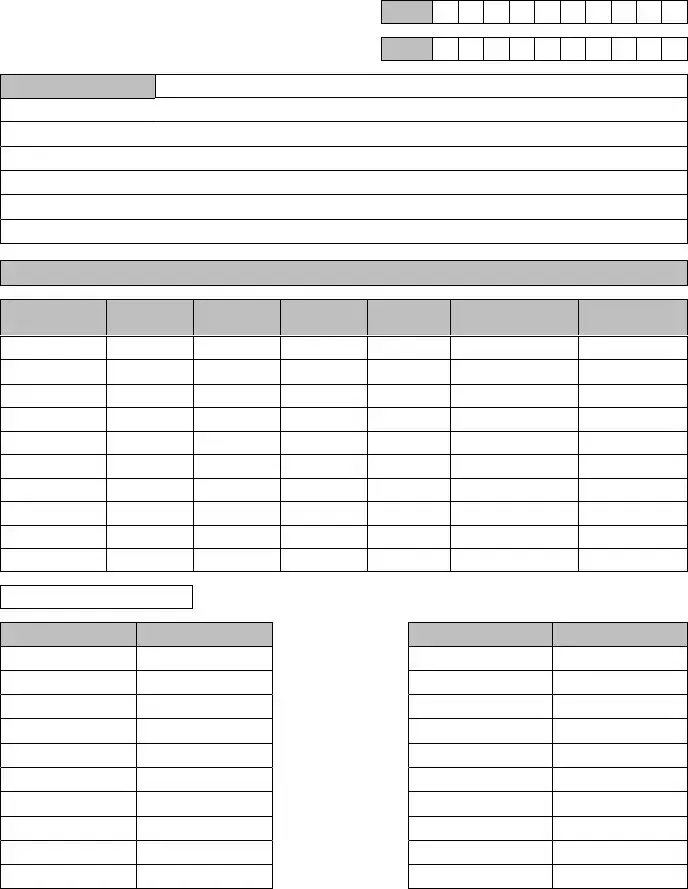
Validity of the transporter’s permit |
||||
|
T O |
Date |
- |
- |
10 |
|
|
|
|
T ransport route |
|
|
|
|
|
I. |
|
|
DETAILS OF FIREARMS |
|
|
|
1 |
1.1 |
1.2 |
1.3 |
1.4 |
1.5 |
1.6 |
1.7 |
|
T ype |
Action |
Calibre |
Model |
Make |
Frame or receiver |
Barrel serial |
|
|
|
|
|
|
serial number |
number |
2
DETAILS OF AM M UNITION
2.1 |
2.1.1 |
2.1.2 |
2.2 |
2.2.1 |
2.2.2 |
|
Type |
Q uantity |
|
T ype |
Q uantity |
Page 6 of 10

SAPS 520
3
DECLARATION BY PERSON W HO IS LAW FULLY IN POSSESSION OF THE FIREARM (S)
I hereby declare that the above firearm(s) is/are legally in my possession and that I propose to supply it to the applicant once the necessary permit(s) has/have been obtained and that the particulars of the firearm(s) are correct and accurate.
4
SIGNATURE OF PERSON CURRENTLY IN POSSESSION
4.1 |
4.2 |
- |
- |
|
Date |
||
|
Name of person currently in possession in block letters |
|
|
4.3 |
4.4 |
|
|
|
Place |
|
|
Signature of person currently in possession
5
DECLARATION OF APPLICANT
I am aware that it is an offence in terms of section 120 (9)(f) of the Firearms Control Act, 2000 (Act No 60 of 2000), to make a false statement in this application.
J.
1
Name of applicant in block letters
3
Signature of applicant
K .
1
2
SIGNATURE OF APPLICANT (Sign only if applicable) |
|
|
|
2 |
Date |
- |
- |
4 |
Place |
|
|
(T his section must be completed only if the applicant cannot read or write) |
|
|
|
3 |
Date |
- |
- |
|
|||
Fingerprint designation
4
Name of applicant in block letters
5
Place
Right index fingerprint of applicant
6
PARTICULARS OF POLICE OFFICIAL DEALING W ITH APPLICATION
6.1 |
6.2 |
|
- |
Name of police official in block letters |
Persal number of police official |
6.3 |
6.4 |
Rank of police official in block letters |
Signature of police official |
7 |
|
PART ICULARS OF W ITNESS |
|
7.1 |
7.2 |
|
- |
Name of witness in block letters |
Persal number of witness |
7.3 |
7.4 |
Rank of witness in block letters |
Signature of witness |
L. |
PARTICULARS OF INTERPRETER |
(T his section must be completed only if the applicant cannot read or write or does not understand the content of this form .)
1
Name and surname of interpreter
2
Identity/Passport number of interpreter
Page 7 of 10

SAPS 520
3
Residential address
4
Postal Code
Page 8 of 10

5
7
8
10
11
13
15
1
2
3
4
6
SAPS 520
Postal address
|
|
|
|
|
|
6 |
|
|
|
|
|
|
|
Postal Code |
|
T elephone number |
7.1 |
( |
) |
7.2 |
( |
) |
|
Home |
W ork |
|
|||||
Cellphone number |
|
|
|
9 |
( |
) |
|
|
|
|
Fax |
|
|||
|
|
|
|
|
|
|
|
Interpreted from (language) |
|
|
to |
|
|
|
|
|
|
|
|
12 |
|
- |
- |
|
|
|
|
Date |
|
||
|
|
|
|
14 |
|
|
|
|
|
|
|
Place |
|
|
|
Signature of interpreter |
|
|
|
|
|
|
|
|
|
|
|
16 |
|
- |
|
|
|
|
|
|
|
|
|
Rank of police official in block letters ( if applicable) |
|
Persal number of police official (if applicable) |
|
||||
M . |
|
PARENTAL CONSENT IN CASE OF A MINOR |
|
|
|||
|
Recommended |
|
|
|
Not recommended |
|
|
Name and surname of parent/guardian
Identity/Passport number of parent/guardian
Comments of parent/guardian
5
Date |
- |
- |
7
Place
Signature of parent/guardian
Page 9 of 10

SAPS 520
N. |
IN CASE OF NOMINEE/AUTHORIZED PERSON |
1
Name and surname of nominee/authorized person
2
Identity/Passport number of nominee/authorized person
3
Date |
- |
- |
4 |
5 |
Place
Signature of nominee/authorized person
*** NOTIFICAT ION OF CHANG E OF ADDRESS ***
T he Registrar must be informed of all changes of address/circumstances within 30 days of such changes occurring
O.FOR OFFICIAL USE BY THE DESIGNATED FIREARMS OFFICER/STATION COMMISSIONER
1
|
RECO MMENDAT IO N REG ARDING T HE APPLICAT IO N |
Recommended |
Not recommended |
2 |
|
Motivation regarding the application |
|
3
4 |
Date |
- |
- |
Name of D esignated Firearms O fficer/Station C ommissioner in block letters
5
6 Place
Rank of Designated Firearms O fficer/Station C ommissioner in block letters
7 |
8 |
-
Signature of Designated Firearms O fficer/Station CommissionerPersal number of Designated Firearms O fficer/Station Commissioner
Page 10 of 10
| Fact Name | Fact Description |
|---|---|
| Form Purpose | The SAPS 520 form is used to apply for various permits related to the import or export of firearms for personal use. |
| Permit Types | Applicants can request multiple import or export permits, temporary import or export permits, or in-transit permits. |
| Governing Law | The form is governed by the Firearms Control Act, 2000 (Act No 60 of 2000), specifically sections 73(2), 74, 76, 77, 78, 80, 81, and 82. |
| Applicant Types | Both individuals and companies can apply using the SAPS 520 form. |
| Official Use Sections | The form includes sections for official use by the police station and the deciding officer to record application status and required information. |
| Identification Requirements | Applicants must provide identification details, including ID numbers or passport numbers, depending on their status as a natural or juristic person. |
| Transporter Details | For in-transit permits, the form requires details about the transporter, including their identification and method of transport. |
Completing the SAPS 520 form is a crucial step in the application process for various firearm permits. Ensure all information is accurate and complete to avoid delays. Follow the steps below carefully to fill out the form correctly.
What is the purpose of the SAPS 520 form?
The SAPS 520 form is used to apply for various types of permits related to the import and export of firearms and ammunition in South Africa. This includes multiple import or export permits, permanent permits, temporary permits, and in-transit permits. It is essential for individuals and companies who wish to legally transport firearms for personal use or business purposes. The form ensures compliance with the Firearms Control Act, which governs the handling of firearms in the country.
Who can apply using the SAPS 520 form?
Both individuals and companies can apply using the SAPS 520 form. For individuals, it requires personal information such as identification details, residential address, and contact information. Companies must provide their registered name, trading name, and details of a responsible person within the organization. This inclusivity allows a wide range of applicants to seek the necessary permits for their specific needs.
What information is required to complete the SAPS 520 form?
To complete the SAPS 520 form, applicants must provide detailed information about themselves, their firearms, and the intended transport. This includes personal identification details, contact information, and specifics about the firearms such as type, model, and serial numbers. Additionally, information about the transport route, dates for import/export, and the reason for the permit is also required. Each section of the form is designed to capture essential details for the police to process the application effectively.
How long does it take to process the SAPS 520 application?
The processing time for the SAPS 520 application can vary depending on several factors, including the completeness of the submitted information and the workload at the police station handling the application. Generally, applicants should expect a processing period that could range from a few weeks to several months. It is advisable to submit the application well in advance of any planned import or export activities to avoid delays.
What happens if my application for a permit is refused?
If your application for a permit is refused, the SAPS 520 form will indicate the reasons for the refusal. The police are required to provide this information, which can help applicants understand any issues that may have led to the decision. Depending on the reasons given, applicants may have the opportunity to address the concerns or reapply in the future. It is essential to review the feedback carefully and seek guidance if needed before submitting a new application.
Incomplete Information: Many applicants fail to provide all the necessary details. Missing fields can lead to delays or outright rejection of the application. Ensure that every section is filled out completely.
Incorrect Identification: Using the wrong type of identification can cause confusion. Applicants must indicate whether they are using an SA ID or a passport and provide the correct number associated with that identification.
Improper Signatures: Signatures must be clear and match the name provided in the application. Discrepancies can raise red flags and may result in the application being questioned.
Failure to Indicate Permit Type: Applicants often forget to mark the type of permit they are applying for. This oversight can lead to processing delays, as officials may need to reach out for clarification.
Neglecting Contact Information: Providing outdated or incorrect contact information can hinder communication. Ensure that phone numbers and email addresses are current and accurate, allowing for smooth follow-up.
The SAPS 520 form is a crucial document for individuals and companies seeking permits related to the import or export of firearms in South Africa. However, it is often accompanied by other forms and documents that further support the application process. Understanding these additional documents can help streamline the permit application and ensure compliance with legal requirements.
In summary, the SAPS 520 form is part of a broader framework of documentation necessary for the legal import and export of firearms. Familiarity with these related forms can enhance the applicant's understanding of the process and improve the likelihood of a successful application.
The SAPS 520 form is fundamentally similar to the ATF Form 6, which is used in the United States for the importation of firearms and ammunition. Both documents serve as applications for permits, ensuring that individuals or entities comply with legal requirements when bringing firearms across borders. The ATF Form 6 requires detailed information about the applicant, the firearms in question, and the intended use, mirroring the comprehensive data collection found in the SAPS 520. Furthermore, both forms necessitate official review and approval, emphasizing the importance of regulatory oversight in firearm transactions.
Another document akin to the SAPS 520 is the BATFE Form 1, which is utilized for the making and registering of firearms under the National Firearms Act. Similar to the SAPS 520, this form requires applicants to provide personal information and details about the firearm. Both forms aim to regulate the possession and transfer of firearms, thus safeguarding public safety. The review process for the BATFE Form 1 parallels that of the SAPS 520, as both require approval from a designated authority before proceeding with the requested action.
The U.S. Customs and Border Protection (CBP) Form 7501 also bears resemblance to the SAPS 520, as it is used for the declaration of imported goods, including firearms. Both documents require detailed descriptions of the items being imported, along with the applicant's information. This ensures that authorities can track and manage the importation of firearms effectively. Additionally, both forms are essential for compliance with respective national laws, highlighting the shared goal of maintaining control over firearm imports.
In a similar vein, the Canadian Firearms Program’s Application for a Firearm License is comparable to the SAPS 520. This document requires individuals to apply for a license to possess firearms, necessitating personal information and details about the firearms. Both forms emphasize the applicant's responsibility to adhere to firearm regulations, thus promoting safe ownership practices. The licensing process in Canada, much like the permit application process in South Africa, involves a thorough background check and evaluation by authorities.
The European Firearms Pass is another document similar to the SAPS 520. This pass allows individuals to travel with firearms across European Union countries, requiring detailed personal and firearm information. Both documents facilitate the legal movement of firearms while ensuring compliance with national and international laws. The application process for the European Firearms Pass includes a review by law enforcement, paralleling the SAPS 520's requirement for official approval.
Additionally, the UK’s Firearm Certificate Application is akin to the SAPS 520. This application requires individuals to provide personal details, reasons for firearm ownership, and specifics about the firearms. Both forms aim to ensure that only responsible individuals are granted permission to possess firearms, thereby promoting public safety. The thorough vetting process associated with the UK’s Firearm Certificate Application mirrors that of the SAPS 520, underscoring the importance of regulatory frameworks in firearm management.
The Australian Firearms License Application is another document that shares similarities with the SAPS 520. Applicants must provide personal information, details about the firearms, and the purpose for which they seek a license. Both forms are designed to regulate firearm ownership and ensure that applicants meet specific criteria before being granted permission. The evaluation process for the Australian application reflects the rigorous standards set forth in the SAPS 520, reinforcing the commitment to responsible firearm ownership.
Moreover, the New Zealand Firearms License Application is comparable to the SAPS 520. This application requires comprehensive information about the applicant, including personal details and the intended use of firearms. Both documents serve to establish a framework for responsible firearm ownership and public safety. The licensing process in New Zealand includes background checks and assessments, similar to the review process outlined in the SAPS 520.
Lastly, the International Import Certificate (IIC) issued by the U.S. Department of State is similar to the SAPS 520 in that it regulates the export and import of defense articles, including firearms. Both documents require detailed information about the items being imported or exported, as well as the applicant's personal information. The IIC process involves scrutiny by government officials to ensure compliance with international regulations, paralleling the oversight provided by the SAPS 520 in South Africa.
When filling out the SAPS 520 form, it is important to follow specific guidelines to ensure a smooth application process. Here are four key dos and don'ts:
Here are four common misconceptions about the SAPS 520 form, which is used for firearm import and export permits in South Africa:
When filling out the SAPS 520 form, it is essential to ensure accuracy and completeness. Here are some key takeaways to keep in mind:
Completing the SAPS 520 form with care is crucial for a smooth application process. Take your time to review all sections and ensure that everything is filled out accurately.