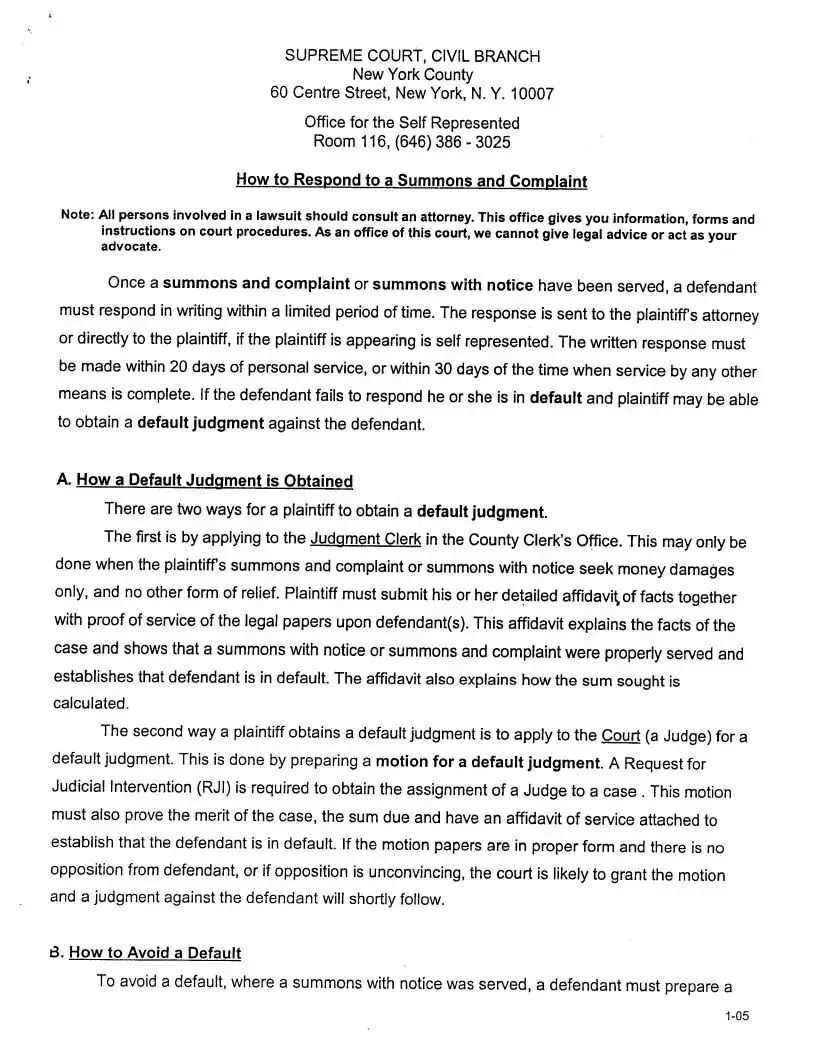
When faced with a summons, understanding the Response To A Summons form is crucial for any defendant. This form is not merely a piece of paper; it represents a defendant's opportunity to formally address the allegations made against them in a lawsuit. Once served, the defendant has a limited timeframe—20 days for personal service or 30 days for other methods—to submit a written response. Failing to do so can lead to a default judgment, which could have significant consequences. The response must be directed to the plaintiff's attorney or the plaintiff themselves if they are self-represented. Within this framework, the defendant can choose to file a notice of appearance, indicating their intention to contest the claims, or prepare a detailed answer that addresses each allegation made in the complaint. This answer not only states the defendant's position but also includes any affirmative defenses that may apply. Importantly, if certain defenses are not raised in the answer, they may be waived, leaving the defendant vulnerable. Therefore, timely and accurate completion of the Response To A Summons form is not just a procedural step; it is a critical element in safeguarding one’s legal rights.
| Fact Name | Details |
|---|---|
| Response Deadline | A defendant must respond to a summons and complaint within 20 days of personal service or within 30 days if served by other means. |
| Consequences of Default | If a defendant fails to respond, they may be in default, allowing the plaintiff to seek a default judgment against them. |
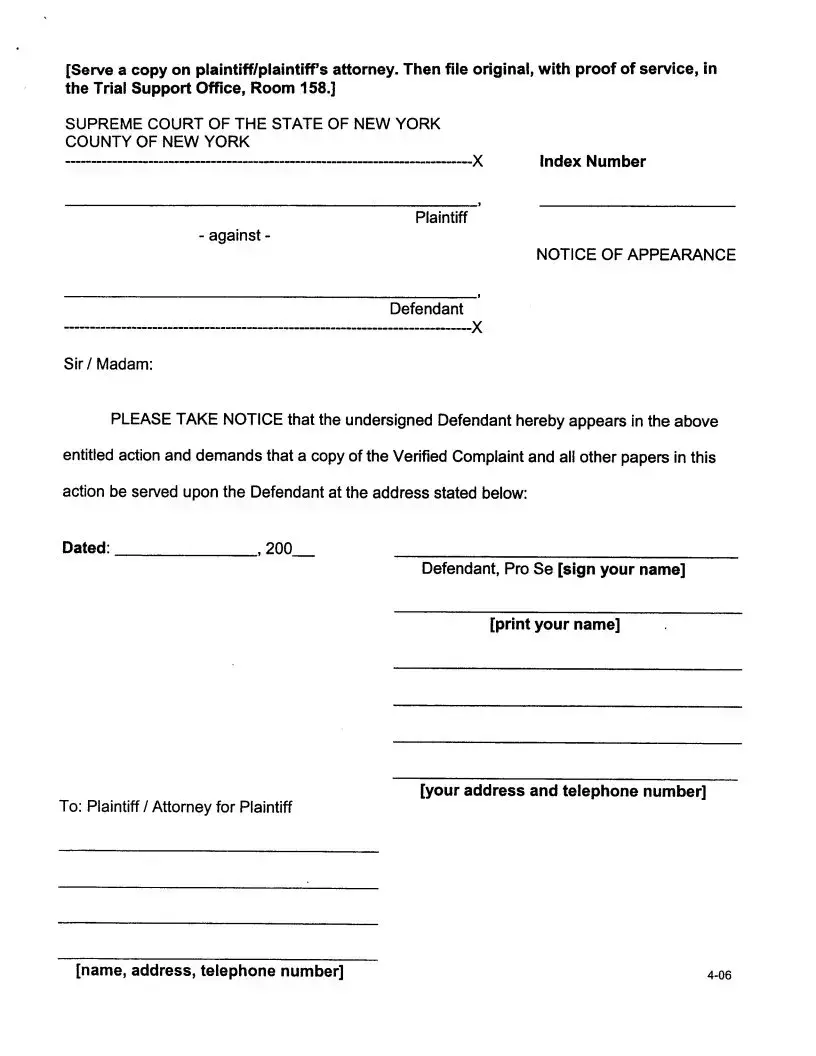
| Notice of Appearance | A defendant can avoid default by filing a notice of appearance, indicating their intention to oppose the lawsuit, which must be served on the plaintiff. |
| Governing Law | This process is governed by the Civil Practice Law and Rules (CPLR) of New York, specifically CPLR 321(a) and CPLR 3211. |
After receiving a summons, it is crucial to respond promptly to avoid potential default. The Response To A Summons form allows you to formally acknowledge the lawsuit and state your position. Follow the steps below to complete the form accurately.
What is a Response to a Summons form and why is it important?
The Response to a Summons form is a written document that a defendant must submit after being served with a summons and complaint. This form is crucial because it allows the defendant to formally respond to the allegations made against them. If the defendant fails to respond within the specified time frame, they risk defaulting on the case, which means the plaintiff may obtain a default judgment against them. Essentially, this response is the defendant's opportunity to present their side of the story and protect their legal rights.
How long does a defendant have to respond to a summons?
A defendant typically has 20 days to respond if they were personally served with the summons. If the summons was served by another method, such as mail, the defendant has 30 days to submit their response. It is important to adhere to these deadlines. Missing the deadline can lead to a default judgment, where the court may rule in favor of the plaintiff without hearing the defendant's side.
What happens if a defendant does not respond to the summons?
If a defendant does not respond to the summons within the required time, they are considered to be in default. This means that the plaintiff can seek a default judgment against them. A default judgment can have serious consequences, including the possibility of wage garnishment or bank account levies. In other words, not responding can lead to a legal ruling that may significantly impact the defendant's financial situation and legal standing.
What should a defendant include in their response?
Failing to Respond Within the Deadline: One common mistake is not submitting the response on time. A defendant must respond within 20 days of personal service or 30 days if served by another means. Missing this deadline can lead to a default judgment.
Not Including Required Information: The response must clearly state the defendant’s position. Omitting crucial details, such as the name of the attorney or indicating if the defendant is representing themselves, can create confusion and may lead to complications.
Ignoring Allegations: Some defendants mistakenly believe they can ignore allegations made in the complaint. Each allegation must be addressed by admitting, denying, or stating a lack of knowledge. Failing to respond to an allegation is treated as an admission.
Neglecting to Serve the Plaintiff: After preparing the response, it is essential to serve a copy to the plaintiff. Many people forget this step, which is necessary to ensure the plaintiff is aware of the defendant's position. The original response must also be filed with the court to avoid default.
When responding to a summons, several additional forms and documents may be necessary to ensure proper legal procedure is followed. Each of these documents serves a specific purpose in the litigation process.
Each of these documents plays a vital role in the legal process, helping to clarify the defendant's position and ensuring that all parties adhere to the rules of court. Properly completing and submitting these forms can significantly impact the outcome of a case.
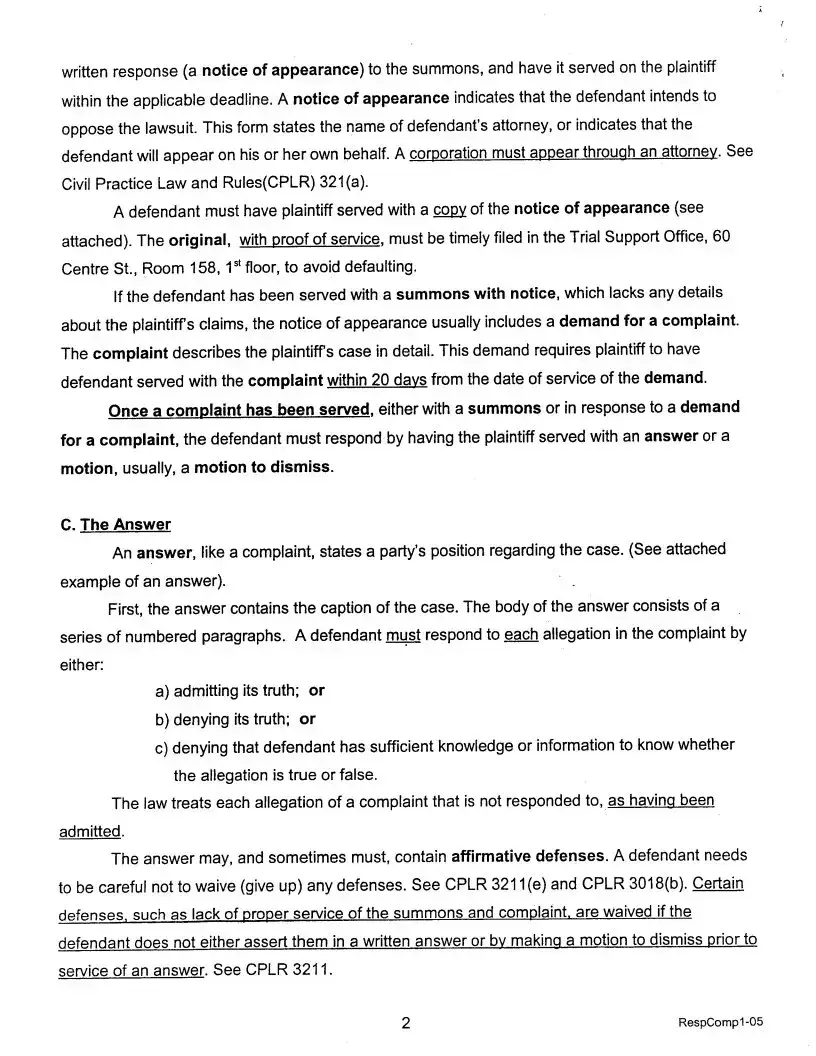
The Notice of Appearance is a crucial document in legal proceedings, similar to the Response to a Summons form. When a defendant receives a summons, filing a Notice of Appearance informs the court and the plaintiff that the defendant intends to participate in the case. This document typically includes the name of the defendant's attorney or states that the defendant will represent themselves. By submitting this notice, the defendant avoids defaulting on the case, as it shows their intention to oppose the lawsuit actively. In situations where a summons lacks specific details about the plaintiff's claims, the Notice of Appearance may also include a demand for a complaint, compelling the plaintiff to provide further information within a specified timeframe.
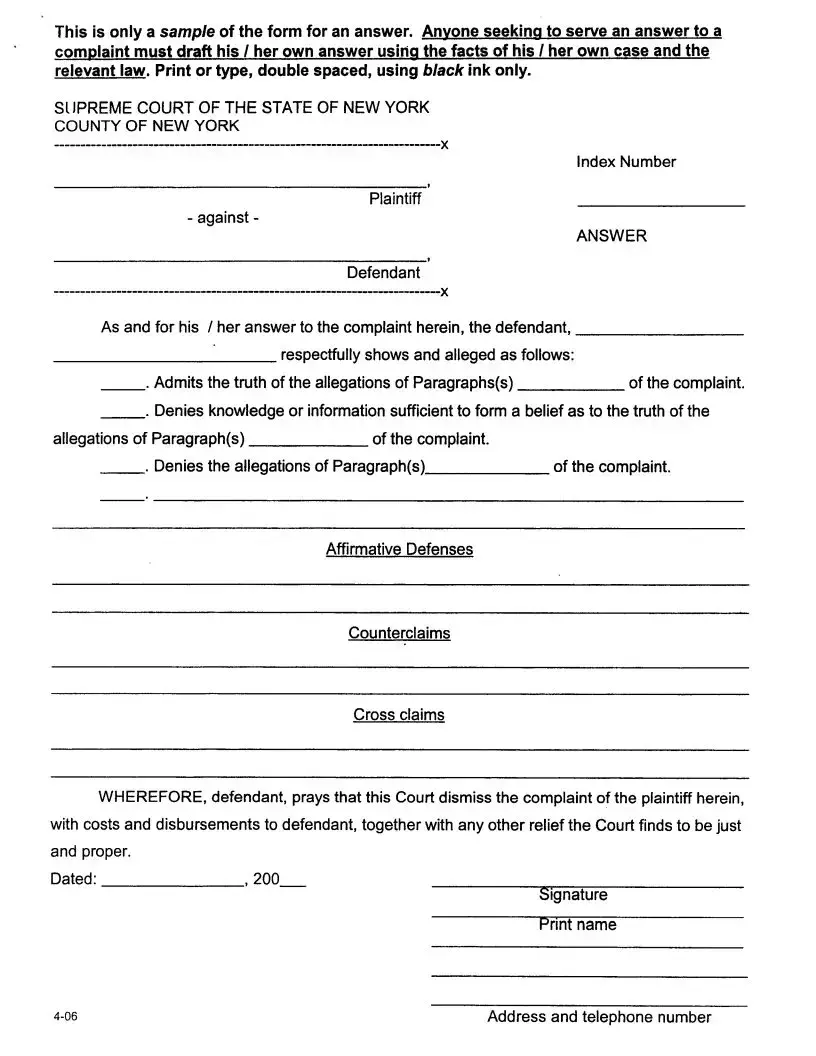
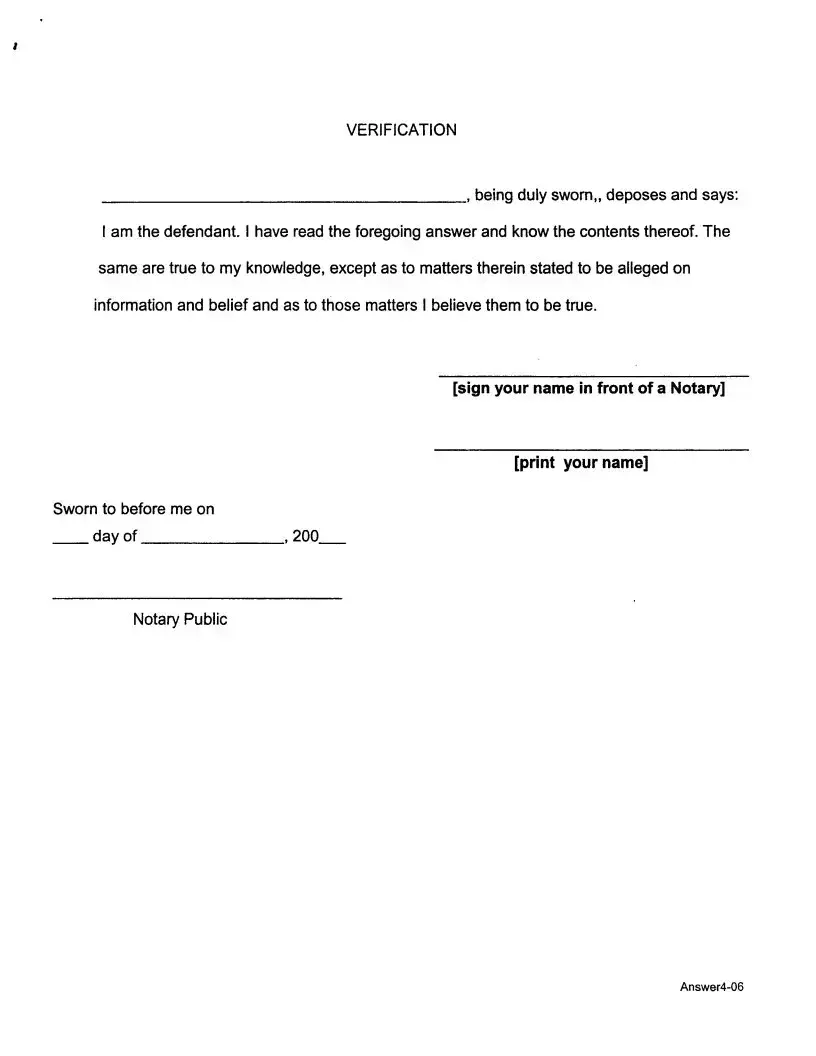
The Answer is another document closely related to the Response to a Summons. This form serves as the defendant's formal reply to the allegations made in the plaintiff's complaint. The Answer must address each claim presented, either admitting, denying, or stating a lack of sufficient knowledge regarding the allegations. It is essential for the defendant to respond to all points; otherwise, the court may consider unaddressed claims as admitted. Additionally, the Answer can include affirmative defenses, which are legal arguments that, if proven, can negate the plaintiff's claims. Failing to include certain defenses in the Answer may result in their forfeiture, making this document a critical aspect of the defendant's legal strategy.
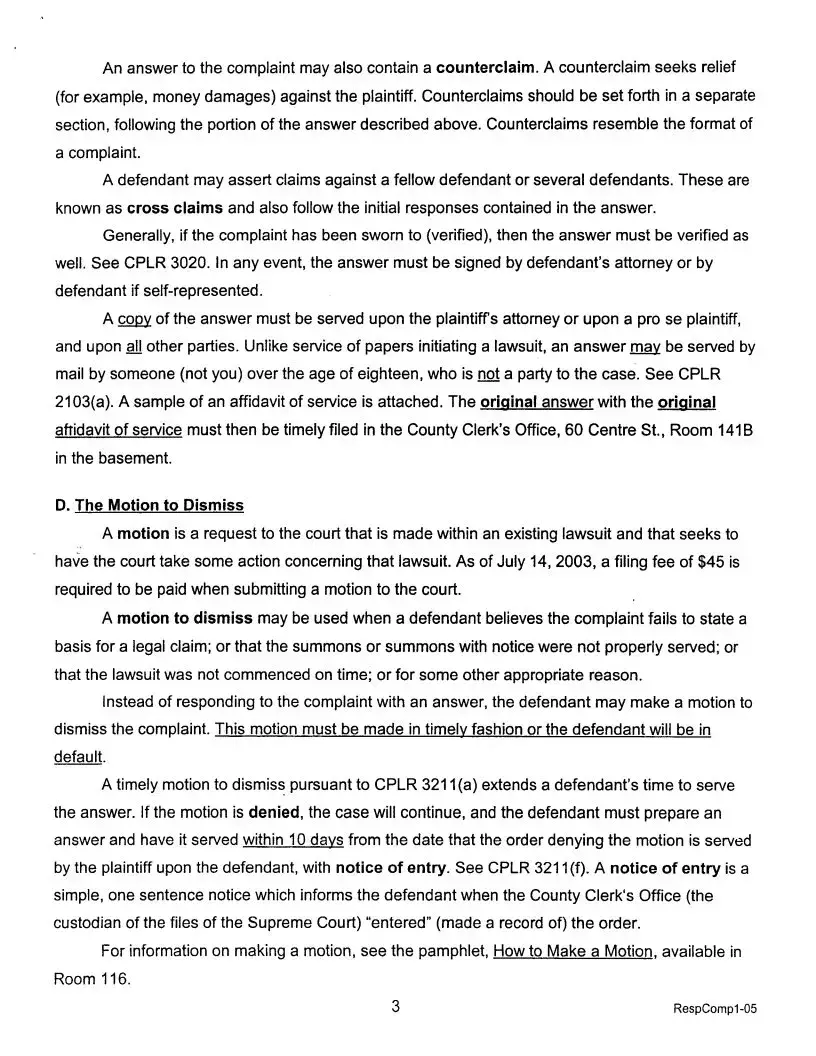
The Motion to Dismiss is another document that shares similarities with the Response to a Summons. This motion is filed by a defendant to request that the court dismiss the case before it goes to trial. Reasons for filing a Motion to Dismiss can include lack of jurisdiction, improper service, or failure to state a valid claim. This document must be submitted within a specific timeframe, and if the motion is granted, it can effectively end the case without the need for a full trial. Like the Response to a Summons, the Motion to Dismiss requires careful attention to detail and adherence to procedural rules to avoid defaulting on the case.
The Counterclaim is a document that a defendant may file alongside their Answer, making it similar to the Response to a Summons. In a Counterclaim, the defendant asserts their own claims against the plaintiff, effectively turning the tables in the lawsuit. This document allows the defendant to seek relief or damages from the plaintiff based on the same set of facts or circumstances. By filing a Counterclaim, the defendant not only responds to the plaintiff's allegations but also introduces their own legal issues, which can complicate the litigation process. This strategic move can provide the defendant with leverage in negotiations or court proceedings.
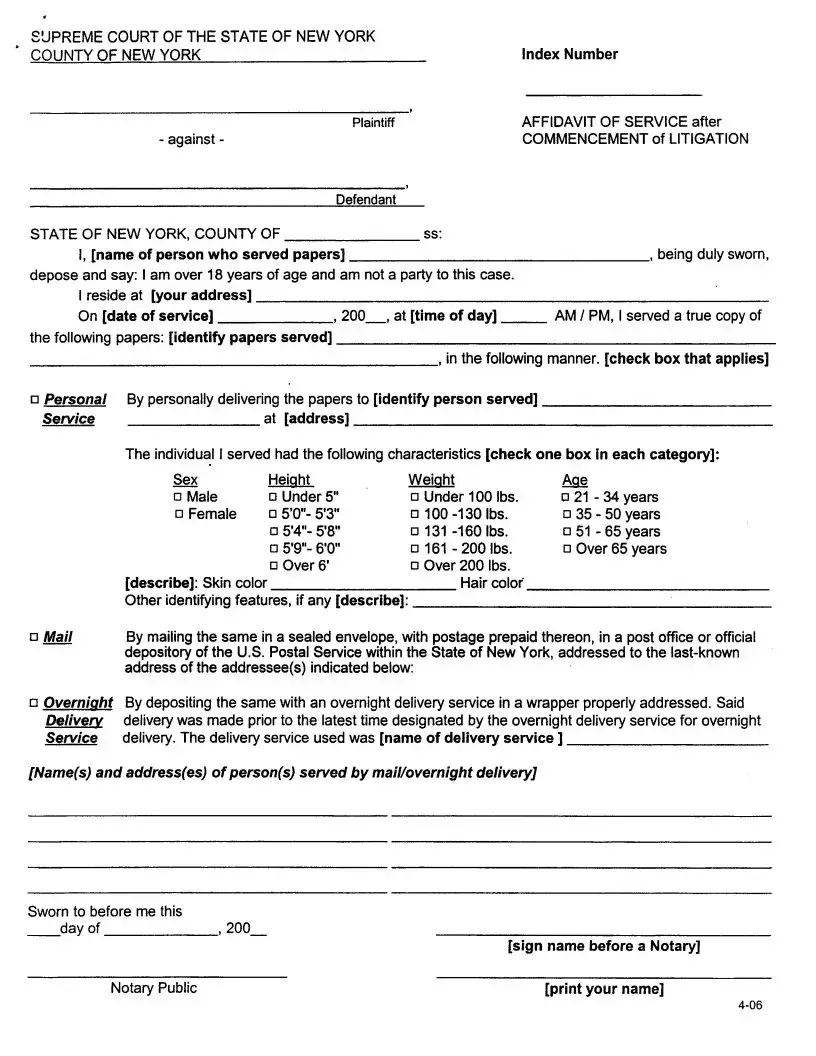
The Affidavit of Service is another important document related to the Response to a Summons. This affidavit serves as proof that the defendant has been properly served with legal papers, including the summons and complaint. The Affidavit of Service must be filed with the court to establish that the defendant received notice of the lawsuit, which is a critical component of due process. If the defendant disputes the service, this document can be pivotal in legal arguments regarding jurisdiction or default judgments. Properly executed, the Affidavit of Service ensures that all parties are aware of the proceedings and helps maintain the integrity of the legal process.
The Request for Judicial Intervention (RJI) is another document that is often filed in conjunction with the Response to a Summons. An RJI is necessary to formally involve a judge in the case, particularly when a motion is being made or when the parties seek court intervention. This document provides the court with basic information about the case and the relief sought. It is essential for moving the case forward and scheduling hearings or conferences. The RJI ensures that the court is aware of the parties' intentions and helps streamline the judicial process.
The Stipulation of Settlement is another document that can be compared to the Response to a Summons. This document outlines an agreement reached between the parties involved in a lawsuit. A Stipulation of Settlement is often filed after negotiations and can resolve the issues raised in the complaint without the need for a trial. By submitting this document, both parties agree to the terms and conditions outlined, which can include payment, actions to be taken, or other resolutions. This document serves to finalize the dispute and can be a more efficient alternative to prolonged litigation.
The Bill of Particulars is a document that may be requested by a defendant in response to a summons and complaint. This request seeks more detailed information about the claims made by the plaintiff. By filing a Bill of Particulars, the defendant aims to clarify the specific allegations and the basis for the plaintiff's claims. This document is essential for ensuring that the defendant has a clear understanding of the case against them, allowing for a more informed response. It can help prevent surprises during trial and facilitate a more organized legal process.
The Motion for Summary Judgment is another document that bears resemblance to the Response to a Summons. This motion is filed by a party who believes there are no genuine disputes regarding material facts in the case, allowing the court to make a decision based on the law without going to trial. By filing a Motion for Summary Judgment, the party seeks to resolve the case quickly and efficiently. Like the Response to a Summons, this document requires a thorough understanding of the legal issues at play and must be supported by evidence to be successful.
When filling out the Response to a Summons form, it's essential to approach the task with care. Here are some important dos and don'ts to keep in mind:
By following these guidelines, you can navigate the response process more effectively and protect your rights in the legal system.
There are several misconceptions surrounding the Response to a Summons form that can lead to confusion for those involved in a lawsuit. Below are some of the most common misunderstandings:
Understanding these misconceptions can help individuals navigate the legal process more effectively and avoid potential pitfalls.
Responding to a summons and complaint is a critical step in a legal process. A defendant must do so in writing within a specific timeframe.
The deadline for response is typically 20 days from personal service or 30 days if served by other means.
If a defendant fails to respond within the allotted time, they may be considered in default. This can lead to a default judgment against them.
To avoid default, a defendant should file a written response, known as a notice of appearance, indicating their intent to contest the lawsuit.
A notice of appearance must be served on the plaintiff and filed in the appropriate court office to be valid.
When a complaint is served, the defendant must respond with either an answer or a motion, typically a motion to dismiss.
An answer must address each allegation in the complaint, either admitting, denying, or stating insufficient knowledge regarding the claims.
Failure to respond to allegations in the complaint may result in those allegations being treated as admitted by the court.