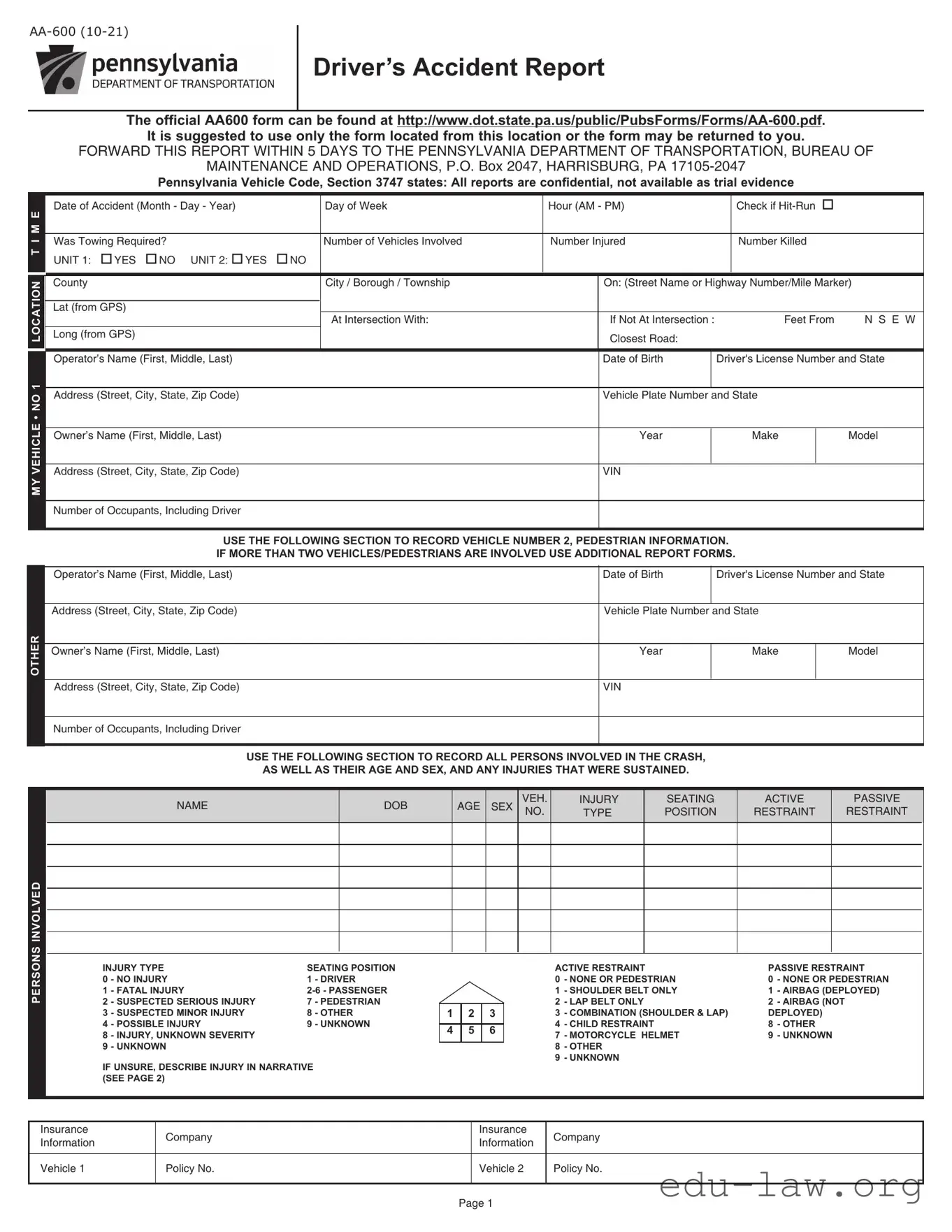
The PA AA 600 form, officially known as the Driver’s Accident Report, is a crucial document for drivers involved in motor vehicle accidents within Pennsylvania. This form must be submitted when an accident results in injury or death, or if a vehicle sustains damage that necessitates towing. It serves as a means to collect vital information that can aid in accident prevention and safety programs. The form requires details such as the date, time, and location of the accident, as well as information about all vehicles and individuals involved. Drivers must provide their names, addresses, and insurance information, ensuring that every relevant detail is captured. Additionally, a diagram of the accident scene is necessary to illustrate the events leading up to and following the collision. It is important to remember that this report must be forwarded to the Pennsylvania Department of Transportation within five days of the incident. The form is confidential and cannot be used as evidence in court, which helps protect the privacy of those involved. Completing the PA AA 600 accurately and promptly is essential for compliance with state regulations and for the effective processing of accident reports.
Driver’s Accident Report
The official AA600 form can be found at
It is suggested to use only the form located from this location or the form may be returned to you.
FORWARD THIS REPORT WITHIN 5 DAYS TO THE PENNSYLVANIA DEPARTMENT OF TRANSPORTATION, BUREAU OF
MAINTENANCE AND OPERATIONS, P.O. Box 2047, HARRISBURG, PA
Pennsylvania Vehicle Code, Section 3747 states: All reports are confidential, not available as trial evidence
I M E |
Date of Accident (Month - Day - Year) |
|
Day of Week |
Hour (AM - PM) |
|
Check if |
|
|||
|
|
|
|
|
|
|
|
|
||
Was Towing Required? |
|
Number of Vehicles Involved |
Number Injured |
|
Number Killed |
|
||||
T |
|
|
|
|||||||
UNIT 1: oYES oNO UNIT 2: oYES |
oNO |
|
|
|
|
|
|
|
||
|
|
|
|
|
|
|
|
|
||
|
|
|
|
|
|
|
|
|
|
|
LOCATION |
County |
|
City / Borough / Township |
|
On: (Street Name or Highway Number/Mile Marker) |
|||||
|
|
|
|
Closest Road: |
|
|
|
|
||
Long (from GPS) |
|
|
|
|
|
|
|
|||
|
|
Lat (from GPS) |
|
|
|
|
|
|
|
|
|
|
|
|
At Intersection With: |
|
If Not At Intersection : |
|
Feet From |
N S E W |
|
|
|
|
|
|
|
|
|
|
|
|
|
|
Operator’s Name (First, Middle, Last) |
|
|
|
Date of Birth |
Driver's License Number and State |
|||
1 |
|
|
|
|
|
|
|
|
|
|
Address (Street, City, State, Zip Code) |
|
|
|
Vehicle Plate Number and State |
|
|||||
• NO |
|
|
|
|
||||||
|
|
|
|
|
|
|
|
|
||
VEHICLE |
|
|
|
|
|
|
|
|
|
|
Owner’s Name (First, Middle, Last) |
|
|
|
Year |
|
Make |
|
Model |
||
|
|
|
|
|
|
|
||||
|
|
|
|
|
|
|
|
|
|
|
MY |
Address (Street, City, State, Zip Code) |
|
|
|
VIN |
|
|
|
|
|
|
|
|
|
|
|
|
|
|
||
|
|
|
|
|
|
|
|
|
|
|
|
|
Number of Occupants, Including Driver |
|
|
|
|
|
|
|
|
|
|
|
|
|
|
|
||||
|
|
USE THE FOLLOWING SECTION TO RECORD VEHICLE NUMBER 2, PEDESTRIAN INFORMATION. |
|
|||||||
|
|
IF MORE THAN TWO VEHICLES/PEDESTRIANS ARE INVOLVED USE ADDITIONAL REPORT FORMS. |
|
|||||||
|
|
|
|
|
|
|
|
|||
|
|
Operator’s Name (First, Middle, Last) |
|
|
|
Date of Birth |
Driver's License Number and State |
|||
|
|
|
|
|
|
|
|
|
||
|
|
Address (Street, City, State, Zip Code) |
|
|
|
Vehicle Plate Number and State |
|
|||
OTHER |
|
|
|
|
|
|
|
|
|
|
|
Owner’s Name (First, Middle, Last) |
|
|
|
Year |
|
Make |
|
Model |
|
|
|
|
|
|
|
|
||||
|
|
|
|
|
|
|
|
|
|
|
|
|
Address (Street, City, State, Zip Code) |
|
|
|
VIN |
|
|
|
|
|
|
|
|
|
|
|
|
|
|
|
|
|
Number of Occupants, Including Driver |
|
|
|
|
|
|
|
|
|
|
|
|
|
|
|
|
|||
|
|
USE THE FOLLOWING SECTION TO RECORD ALL PERSONS INVOLVED IN THE CRASH, |
|
|
|
|
||||
|
|
AS WELL AS THEIR AGE AND SEX, AND ANY INJURIES THAT WERE SUSTAINED. |
|
|
|
|
||||
NAME |
DOB |
AGE SEX |
VEH. |
INJURY |
SEATING |
ACTIVE |
PASSIVE |
|
|
|
NO. |
TYPE |
POSITION |
RESTRAINT |
RESTRAINT |
|
|
|
|
|
|
|
|
PERSONS INVOLVED
INJURY TYPE |
SEATING POSITION |
||
0 |
- NO INJURY |
1 |
- DRIVER |
1 |
- FATAL INJURY |
||
2 |
- SUSPECTED SERIOUS INJURY |
7 |
- PEDESTRIAN |
3 |
- SUSPECTED MINOR INJURY |
8 |
- OTHER |
4 |
- POSSIBLE INJURY |
9 |
- UNKNOWN |
8 |
- INJURY, UNKNOWN SEVERITY |
|
|
9 |
- UNKNOWN |
|
|
IF UNSURE, DESCRIBE INJURY IN NARRATIVE (SEE PAGE 2)
1 2 3
4 5 6
ACTIVE RESTRAINT |
PASSIVE RESTRAINT |
||
0 |
- NONE OR PEDESTRIAN |
0 |
- NONE OR PEDESTRIAN |
1 |
- SHOULDER BELT ONLY |
1 |
- AIRBAG (DEPLOYED) |
2 |
- LAP BELT ONLY |
2 |
- AIRBAG (NOT |
3 |
- COMBINATION (SHOULDER & LAP) |
DEPLOYED) |
|
4 |
- CHILD RESTRAINT |
8 |
- OTHER |
7 |
- MOTORCYCLE HELMET |
9 |
- UNKNOWN |
8- OTHER
9- UNKNOWN
Insurance |
Company |
|
Insurance |
Company |
Information |
|
Information |
||
|
|
|
||
|
|
|
|
|
Vehicle 1 |
Policy No. |
|
Vehicle 2 |
Policy No. |
|
|
|
|
|
|
|
Page 1 |
|
|
WEATHER (Choose up to two items)
o Clear |
o Rain |
o Snow |
o Sleet |
o Fog |
ROADWAY (Choose up to two items)
o Dry |
o Wet |
o Snow |
o Ice |
o Other |
IMPACT POINTS:
0 |
= None |
|
10 |
= 10 o'clock |
|
1 |
= 1 o'clock |
|
11 |
= 11 o'clock |
|
2 |
= 2 o'clock |
|
12 |
= 12 o'clock |
|
3 |
= 3 o'clock |
|
13 |
= Top of Vehicle |
9 |
4 |
= 4 o'clock |
|
14 |
= Vehicle Undercarriage |
|
5 |
= 5 o'clock |
|
15 |
= Use when the initial |
|
6 |
= 6 o'clock |
|
|
impact was with a towed unit |
|
7 |
= 7 o'clock |
|
|
(such as utility trailer vehicle, |
|
8 |
= 8 o'clock |
|
|
horse van, etc…) |
|
9 |
= 9 o'clock |
|
99 |
= Unknown |
|
|
12 |
|
|
12 |
|
11 |
1 |
|
10 |
2 |
3 |
9 |
3 |
|
8 |
4 |
|
7 |
5 |
|
|
6 |
|
|
6 |
|
VEHICLE NUMBER 1: |
|
VEHICLE NUMBER 2: |
INITIAL IMPACT POINT _______ |
|
INITIAL IMPACT POINT _______ |
LEGAL SPEED _______ MPH |
|
LEGAL SPEED _______ MPH |
ESTIMATED SPEED _______ MPH |
|
ESTIMATED SPEED _______ MPH |
|
|
|
INSTRUCTIONS:
1.Draw Diagram As Clearly As You Can.
2.Show Your Vehicle As Number 1.
3.Label All Streets, Highways, and Landmarks.
4.Draw An Arrow
In Circle Below So It Points North.
5.Complete Narrative.
Indicate North By
Arrow
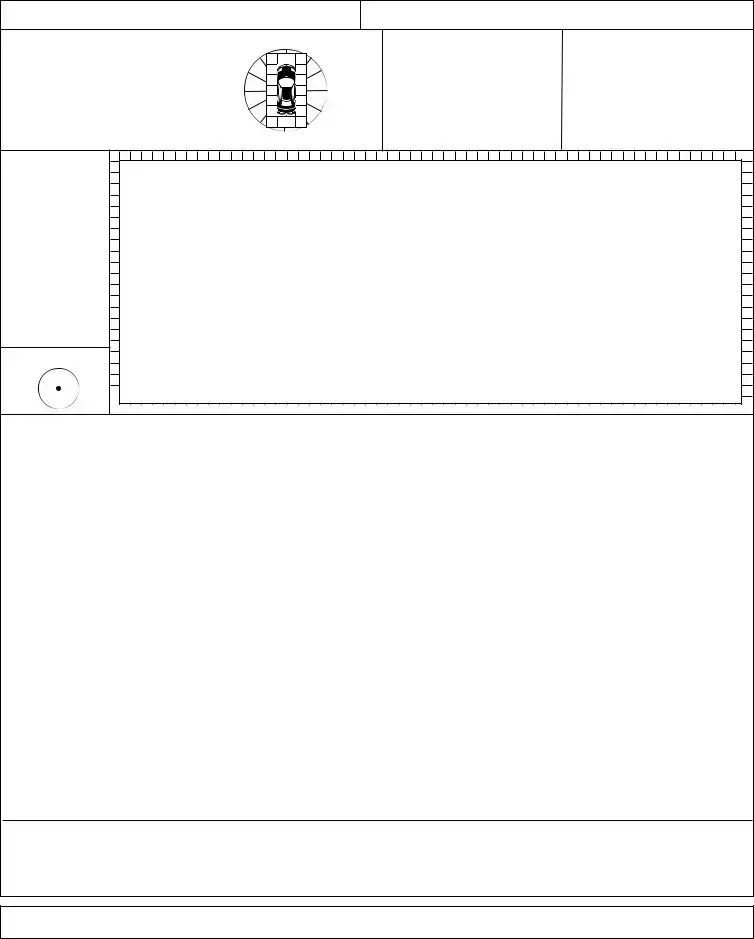
Please note that a diagram is required in order for us to process your form. You may need to print this form and hand draw the diagram portion in order to complete the form.
GIVE A DETAILED DESCRIPTION OF THE ACCIDENT IMMEDIATELY PRIOR TO IMPACT,
AT IMPACT, AND IMMEDIATELY AFTER IMPACT, REFER TO VEHICLES BY NUMBERS
PLEASE SIGN AND DATE BELOW. THIS FORM CANNOT BE PROCESSED WITHOUT A SIGNATURE.
DRIVER SIGNATURE |
DATE |
Email Address:
POLICE INVESTIGATED: o YES |
o NO |
If Yes, Name of Police Department: |
|
|
|
Page 2
Driver’s Accident Report
This Form is to be completed only in the event that the accident was not investigated by a policy agency.
The Driver’s Accident Report Form is required to be completed by ALL drivers involved in motor vehicle traffic accidents occurring within the Commonwealth of Pennsylvania and involves:
(1)injury to or death of any person; or
(2)damage to any vehicle involved to the extent that it cannot be driven under its own power in its customary manner without further damage or hazard to the vehicle, other traffic elements, or the roadway, and therefore requires towing.
Section 3747(a) of Title 75, Pennsylvania Consolidated Statutes of the Vehicle Code requires that if a police officer does not investigate an accident required to be investigated by section 3746 (relating to immediate notice of accident to police department), the driver of a vehicle which is in any manner involved in the accident shall, within five days of the accident, forward a written report of the accident to the department.
A form, supplied by the Department of Transportation, has been designed for this purpose. That form is the attached
The primary objective of this form is to obtain information which can be used to develop accident prevention and reduction programs aimed at reducing accidents and accident losses. In order for these programs to succeed, every attempt must be made to obtain the information for all items listed on the Report Form. Compliance with the following instructions will help to assure that the Report is filled out completely and accurately.
A copy of the completed Accident Report should be retained for your records. There is NO fee to file this report. If copies of THIS submitted form are requested from the Department of Transportation, a fee of $5.00 per copy will be required to cover our processing costs. If the Department receives a $5.00 check with the submission of the report from you, it is assumed that you wish to obtain a
PLEASE NOTE: PennDOT does not conduct investigations into crashes. Additionally, you will not be sent a response to your form unless it cannot be accepted, is not fully completed, or a copy has been requested. No confirmations of receipt will be provided by PennDOT. If you require confirmation of receipt, it is recommended using certified mail, or requesting a date stamped copy of your submitted report, along with the required remittance.
Please send completed Forms to the following address:
Pennsylvania Department of Transportation
BOMO - Crash Unit
P.O. Box 2047
Harrisburg, Pennsylvania
Page 3
GENERAL INSTRUCTIONS FOR COMPLETING DRIVER’S ACCIDENT REPORT
This form is a PDF fillable form and is the preferred method for completion. If you chose to
However, the following guidelines should be utilized:
The form must be signed on page 2. We cannot accept a form without a signature. If filling this out electronically, please print and sign after you have completed all fields.
Tow and injury information must be filled out on page 1. We cannot accept a form that does not have these blocks filled out.
Here follows a short list of other circumstances in which we cannot accept your form:
•The date next to the signature on page 2 is missing
•The crash description on page 2 is missing
•The diagram on page 2 is missing
•Page 2 is missing
•Location information is missing (i.e. County, City / Borough / Township, Street, Intersecting Street)
•The crash date is missing or incorrect
•Missing tow/injury information on page 1
•Your vehicle was parked
•Crash occurred
•Crash report was submitted by a
•Signature issues
Here follows a short list of reasons why your payment may not be accepted if you are remitting payment for a stamped received copy of your submitted report:
•Cash remitted (we can only accept a check or money order)
•Payment remitted but not signed
•Payment remitted by over/under paid
•Payment remitted without request and/or AA600
•Request copy of report but no payment remitted
1.For the Accident Location - - - Be sure to indicate the name of the City, Borough, or Township where the accident occurred as well as the Street name or Highway Route Number. If the accident occurred at an intersection, identify the name of the Street or Highway Route Number of the intersecting Roadway.
If the accident did not occur at an Intersection, please use the nearest Cross Street, Mile Posts, or Segment Markers. Segment Markers are signs erected along the roadside. Where possible, the signs are placed at physical features such as bridges, pipes, or intersections. Mile Posts are generally erected along the roadside of Interstates. Do not use House Numbers, Utility Poles, etc. as reference points.
2.For the Vehicles, Drivers and Pedestrians - - - Copy information about drivers and vehicles directly from the official Driver’s License, Vehicle Registration Card, and Proof of Financial Responsibility Card.
3.Persons Involved - - - Record the names and addresses of all occupants (including Drivers) in the vehicles involved and ALL INVOLVED PEDESTRIANS regardless of injury severity. Begin with the Driver of Unit 1, then list the other occupants of Unit 1, if any. Repeat the procedure with any other units.
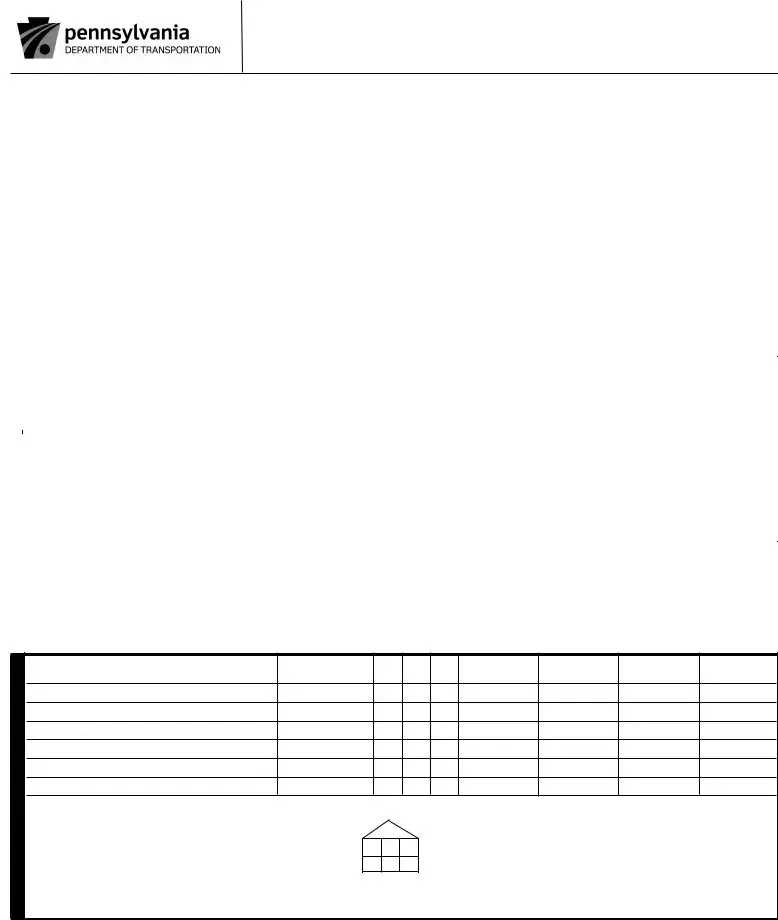
4.Injury, Seating Position, Safety Restraints - - - If applicable, select the appropriate codes for all occupants and pedestrians for the type of injury incurred, seating positions of all occupants, and the type of safety device used.
5.Damage Area of Vehicle - - - Select the appropriate code for the Initial Impact Point for each vehicle involved. To indicate the impact area, use clock points as shown at the vehicle representation on the back of the report.
6.Speed Limit and Travel Speed - - - Enter the speed limit of the roadway at the accident site. If the speed limit is not posted, write NP.
Enter your estimate of the travel speed of each vehicle immediately before the accident.
Page 4
7.For the Accident Diagram - - - The diagram is a visual representation of the accident location and the events that occurred. Show the movement of the vehicles, identify the roadways and be sure to include the North Arrow displayed on the back of the Report Form.
8.For the Narrative - -
IF MORE THAN TWO (2) VEHICLES ARE INVOLVED, OR ADDITIONAL SPACE IS NEEDED FOR OCCUPANTS, PLEASE USE ANOTHER FORM TO CAPTURE THE REQUIRED INFORMATION. IN THESE CASES, STAPLE REPORTS TOGETHER BEFORE SUBMISSION.
Page 5
| Fact Name | Description |
|---|---|
| Official Source | The AA-600 form can be found at the Pennsylvania Department of Transportation's official website: AA-600 Form. |
| Submission Deadline | Reports must be forwarded within 5 days of the accident to ensure compliance with state regulations. |
| Confidentiality | According to Pennsylvania Vehicle Code, Section 3747, all reports are confidential and cannot be used as evidence in court. |
| Who Must File | All drivers involved in accidents resulting in injury or significant vehicle damage must complete this report. |
| No Filing Fee | There is no fee to file the AA-600 report; however, a $5 fee applies for copies of the submitted report. |
| Diagram Requirement | A diagram illustrating the accident scene is mandatory for processing the report. Ensure it is clearly drawn and labeled. |
Completing the PA AA-600 form is an essential step following a motor vehicle accident in Pennsylvania. The information gathered through this form is crucial for accident analysis and prevention. To ensure your report is processed efficiently, follow the steps outlined below.
After submitting the form, it is advisable to keep a copy for your records. If you wish to receive a date-stamped copy, include a $5.00 check with your submission. Remember, only the driver who submitted the form can request a copy. If you have any questions about the process, consider reaching out to the appropriate department for assistance.
What is the purpose of the PA AA 600 form?
The PA AA 600 form, officially known as the Driver’s Accident Report, is required for all drivers involved in motor vehicle accidents in Pennsylvania that result in injury or significant vehicle damage. Its primary purpose is to gather information that can help improve accident prevention and reduction programs. This report must be submitted to the Pennsylvania Department of Transportation within five days of the accident if no police investigation was conducted.
How do I complete the PA AA 600 form?
Completing the PA AA 600 form involves several steps. First, ensure you have the official form, which can be found on the Pennsylvania Department of Transportation's website. Fill in all required fields, including details about the accident, vehicles, and individuals involved. Use clear handwriting or the PDF fillable option. Don’t forget to include a diagram of the accident scene and a narrative description. Sign and date the form before submission. It's essential to follow the instructions carefully, as incomplete forms may be rejected.
Where do I send the completed PA AA 600 form?
Once you have completed the PA AA 600 form, send it to the Pennsylvania Department of Transportation at the following address: Bureau of Maintenance and Operations, P.O. Box 2047, Harrisburg, PA 17105-2047. Ensure you mail it within the five-day timeframe to avoid any penalties. If you wish to receive a date-stamped copy for your records, include a $5.00 check with your submission.
What happens if I don’t submit the PA AA 600 form?
If you fail to submit the PA AA 600 form within the required five days, you may face penalties under Pennsylvania law. Additionally, not filing the report can hinder your ability to resolve insurance claims or legal issues related to the accident. It’s crucial to comply with this requirement to protect your rights and ensure proper documentation of the incident.
Missing Signature: The form must be signed on page 2. Without a signature, your report cannot be processed. Ensure that you sign the form before submission.
Incomplete Accident Location: Failing to include the city, borough, or township, as well as the street name or highway route number, can lead to delays. Always provide complete location details.
Omitting Injury and Tow Information: If you neglect to fill out the injury and towing information on page 1, your form may be rejected. Make sure to provide this critical information.
Incorrect Crash Date: Double-check that the date of the accident is accurate. A wrong date can result in complications with your report.
Failure to Include a Diagram: A diagram is required to process your form. If you don’t include a clear diagram of the accident scene, your submission will be incomplete.
Submitting a Non-Driver's Report: Only the driver involved in the accident should complete and submit the form. If someone else submits it on your behalf, it will be rejected.
When filing the AA-600 form, several other documents may also be required or helpful to complete your report. Here are five commonly used forms and documents that often accompany the AA-600:
Gathering these documents can strengthen your case and ensure a smoother process when dealing with insurance claims and legal matters following an accident. Always keep copies for your records.
The Pennsylvania AA-600 form shares similarities with the SR-1 form, which is the official accident report used in the state of New Jersey. Like the AA-600, the SR-1 is required to be completed by drivers involved in an accident that results in injury or significant property damage. Both forms serve the purpose of documenting the details of the incident, including the involved parties, vehicles, and circumstances surrounding the crash. Additionally, both forms must be submitted to the respective state departments within a specified timeframe, ensuring timely reporting and record-keeping for accident statistics and prevention efforts.
Another comparable document is the DMV Form 565, known as the Report of Traffic Accident Occurring in California. Similar to the AA-600, this form is used to report traffic accidents that result in injuries or fatalities. Both documents require detailed information about the accident, including the date, time, location, and parties involved. The DMV Form 565 also emphasizes the importance of submitting the report promptly, paralleling the five-day submission requirement outlined in the AA-600 for Pennsylvania drivers.
The Texas CR-2 form, or the Texas Peace Officer's Crash Report, is another document that shares similarities with the AA-600 form. This form is used by Texas law enforcement to document motor vehicle accidents. While the CR-2 is typically filled out by police officers at the scene, it serves a similar purpose by gathering comprehensive details about the accident. Both forms aim to provide accurate data for accident analysis and prevention, highlighting the need for thorough reporting in both states.
The Florida DHSMV Form 90010, known as the Florida Traffic Crash Report, also resembles the AA-600 in its function. This form is required for all traffic accidents in Florida that result in injury or damage exceeding a certain threshold. Like the AA-600, the Florida report collects essential information about the crash, including driver details, vehicle information, and circumstances of the incident. Both forms contribute to state databases used for traffic safety initiatives and policy-making.
The Ohio BMV Form 3303, titled the Motor Vehicle Accident Report, is another document that parallels the AA-600. This form is utilized by Ohio drivers involved in accidents resulting in injury or property damage. Similar to the AA-600, the BMV Form 3303 must be submitted to the state within a designated timeframe. Both forms aim to compile critical data that can be analyzed to improve road safety and reduce future accidents.
In New York, the MV-104 form, or the Motor Vehicle Accident Report, serves a similar purpose to the AA-600. This form is required for all accidents resulting in injury or property damage. Like the AA-600, the MV-104 collects vital information about the accident, including the involved parties and circumstances. Both forms emphasize the importance of accurate and timely reporting to facilitate traffic safety measures and ensure accountability among drivers.
Lastly, the Michigan UD-10 form, known as the Michigan Traffic Crash Report, is comparable to the AA-600. This form is completed by law enforcement officers and is used to document traffic accidents in Michigan. While the AA-600 is filled out by drivers, both forms serve the same objective of collecting comprehensive data on accidents. The information gathered from both forms is essential for analyzing traffic patterns and implementing safety improvements on roadways.
When filling out the PA AA-600 form, it's essential to ensure accuracy and completeness. Here are some key dos and don'ts to guide you through the process:
By following these guidelines, you can help ensure that your report is processed efficiently and accurately. If you have any questions, consider reaching out to the Pennsylvania Department of Transportation for assistance.
Misconceptions about the PA AA 600 form can lead to confusion and errors in reporting accidents. Here are ten common misconceptions and clarifications for each:
Filling out the PA AA-600 form correctly is essential for reporting a motor vehicle accident in Pennsylvania. Here are some key takeaways to help you navigate the process:
By following these guidelines, you can help ensure that your report is processed smoothly and accurately.