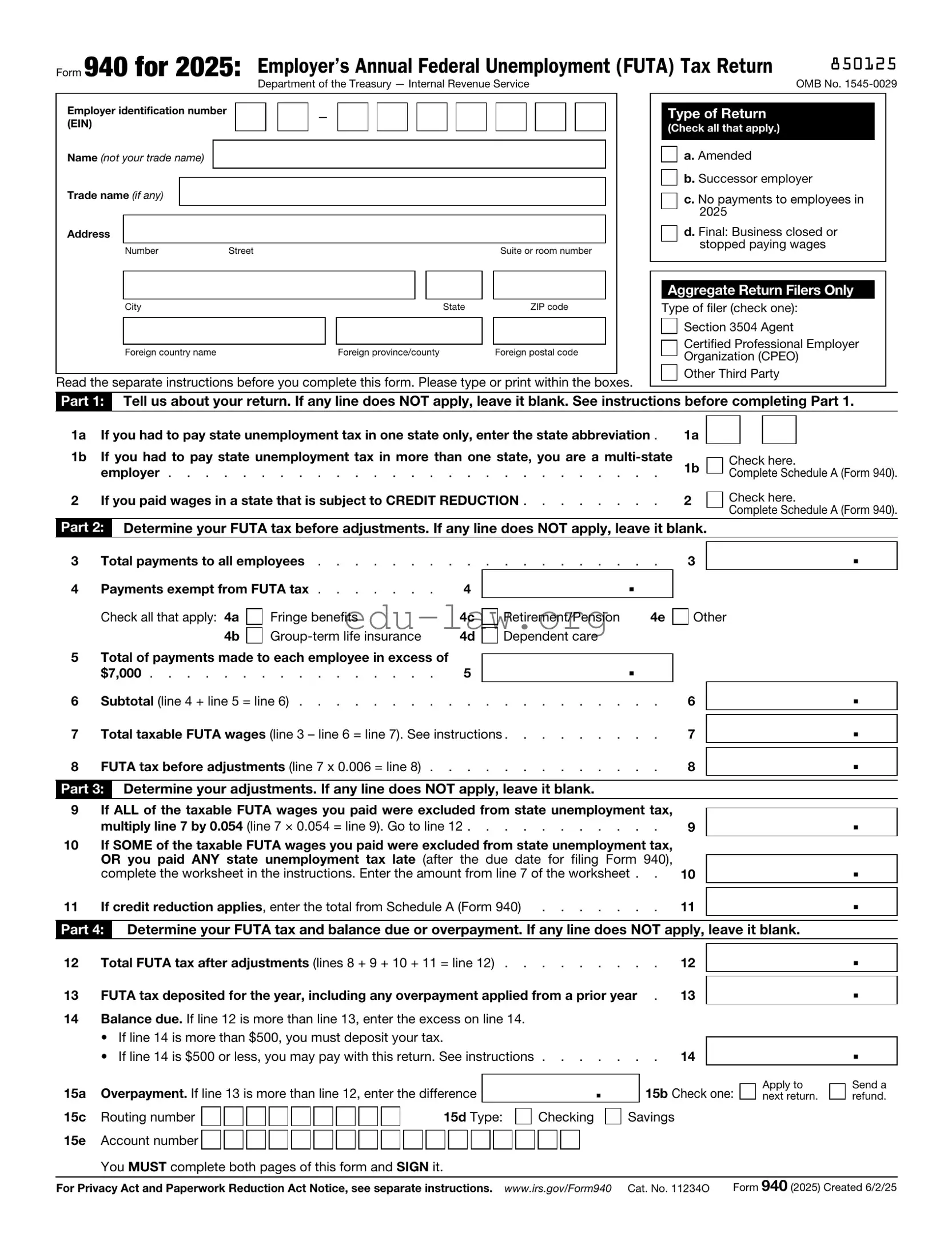
The IRS 940 form plays a crucial role in the world of payroll taxes, specifically focusing on the federal unemployment tax (FUTA). Employers across the United States use this form to report their annual FUTA tax liability, which helps fund unemployment benefits for workers who find themselves without a job. Each year, businesses must assess their payroll and determine how much they owe to the federal government based on their employee wages. This form not only aids in calculating the tax due but also provides a clear picture of an employer’s compliance with federal regulations. It is essential for employers to file the IRS 940 accurately and on time, as failure to do so can lead to penalties and interest charges. Understanding the ins and outs of this form, including deadlines, payment procedures, and the implications of any errors, is vital for any business owner looking to navigate the complexities of payroll taxes smoothly.
Form 940 for 2025: Employer’s Annual Federal Unemployment (FUTA) Tax Return |
850125 |
|
|
Department of the Treasury — Internal Revenue Service |
OMB No. |
Employer identification number |
|
|
|
— |
|
|
|
|
|
|
|
|
|
|
|
|
|
|||
(EIN) |
|
|
|
|
|
|
|
|
|
|
|
|
|
|
|
|
||||
|
|
|
|
|
|
|
|
|
|
|
|
|
|
|
|
|
||||
|
|
|
|
|
|
|
|
|
|
|
|
|
|
|
|
|
|
|
|
|
Name (not your trade name) |
|
|
|
|
|
|
|
|
|
|
|
|
|
|
|
|
|
|
||
|
|
|
|
|
|
|
|
|
|
|
|
|
|
|
|
|
|
|
|
|
|
|
|
|
|
|
|
|
|
|
|
|
|
|
|
|
|
|
|
|
|
Trade name (if any) |
|
|
|
|
|
|
|
|
|
|
|
|
|
|
|
|
|
|
||
Address |
|
|
|
|
|
|
|
|
|
|
|
|
|
|
|
|
|
|
|
|
|
|
|
|
|
|
|
|
|
|
|
|
|
|
|
|
|
|
|||
|
|
|
|
|
|
|
|
|
|
|
|
|
|
|
|
|
|
|||
|
|
|
|
|
|
|
|
|
|
|
|
|
|
|
|
|
|
|
|
|
Number |
Street |
|
|
|
|
|
Suite or room number |
|
|
|
|
|
|
|
|
|
|
|
|
|
|
|
|
City |
|
|
|
|
State |
|
ZIP code |
|
|
|
|
|
|
||
|
|
|
|
|
|
|
|
Foreign country name |
|
|
Foreign province/county |
|
Foreign postal code |
||
Read the separate instructions before you complete this form. Please type or print within the boxes.
Type of Return (Check all that apply.)
a. Amended
b. Successor employer
c. No payments to employees in 2025
d. Final: Business closed or stopped paying wages
Aggregate Return Filers Only
Type of filer (check one): Section 3504 Agent
Certified Professional Employer Organization (CPEO)
Other Third Party
Part 1: Tell us about your return. If any line does NOT apply, leave it blank. See instructions before completing Part 1.
1a |
If you had to pay state unemployment tax in one state only, enter the state abbreviation . |
1b |
If you had to pay state unemployment tax in more than one state, you are a |
|
employer |
2 |
If you paid wages in a state that is subject to CREDIT REDUCTION |
1a
1b
2
Check here.
Complete Schedule A (Form 940).
Check here.
Complete Schedule A (Form 940).
Part 2: Determine your FUTA tax before adjustments. If any line does NOT apply, leave it blank.
3 |
Total payments to all employees |
||
4 |
Payments exempt from FUTA tax |
4 |
|
|
Check all that apply: 4a |
Fringe benefits |
4c |
|
4b |
4d |
|
5 Total of payments made to each employee in excess of
$7,000 . . . . . . . . . . . . . . . . 5
6 Subtotal (line 4 + line 5 = line 6) . . . . . . . . . .
. . . . . . . . .. .
Retirement/Pension 4e Dependent care
.
. . . . . . . . . .
3
Other
6
.
.
7 Total taxable FUTA wages (line 3 – line 6 = line 7). See instructions . . . . . . . . .
8 FUTA tax before adjustments (line 7 x 0.006 = line 8) . . . . . . . . . . . . .
7
8
.
.
Part 3: Determine your adjustments. If any line does NOT apply, leave it blank.
9 |
If ALL of the taxable FUTA wages you paid were excluded from state unemployment tax, |
|
|
|
. |
||
|
multiply line 7 by 0.054 (line 7 × 0.054 = line 9). Go to line 12 |
9 |
|
10 |
If SOME of the taxable FUTA wages you paid were excluded from state unemployment tax, |
|
|
|
OR you paid ANY state unemployment tax late (after the due date for filing Form 940), |
|
|
|
|
. |
|
|
complete the worksheet in the instructions. Enter the amount from line 7 of the worksheet . . |
10 |
|
|
|
|
|
11 |
If credit reduction applies, enter the total from Schedule A (Form 940) |
11 |
. |
|
|
|
|
Part 4: Determine your FUTA tax and balance due or overpayment. If any line does NOT apply, leave it blank.
12 |
Total FUTA tax after adjustments (lines 8 + 9 + 10 + 11 = line 12) |
12 |
. |
|
|
|
|
13 |
FUTA tax deposited for the year, including any overpayment applied from a prior year . |
13 |
. |
14Balance due. If line 12 is more than line 13, enter the excess on line 14.
|
• If line 14 is more than $500, you must deposit your tax. |
|
|
|
|
|
|
|
|
|
|
|
|
|
|
|
|
|
|
|
|
|||||||||||||||||||||
|
|
|
|
|
|
|
|
|
|
|
|
|
|
|
|
|
14 |
|
|
. |
||||||||||||||||||||||
|
• If line 14 is $500 or less, you may pay with this return. See instructions . . . . |
. . . |
|
|
||||||||||||||||||||||||||||||||||||||
|
|
|
|
|
|
|
|
|
|
|
|
|
|
|
|
|
|
|
|
|
|
|
|
|
|
|
|
|
|
|
|
|
|
|
|
|
|
|
|
|
|
|
15a |
Overpayment. If line 13 is more than line 12, enter the difference |
|
|
|
. |
|
15b |
Check one: |
Apply to |
Send a |
||||||||||||||||||||||||||||||||
|
|
next return. |
refund. |
|||||||||||||||||||||||||||||||||||||||
15c |
Routing number |
|
|
|
|
|
|
|
|
|
|
|
|
|
|
|
|
|
|
|
|
|
15d Type: |
|
|
|
Checking |
Savings |
|
|
||||||||||||
|
|
|
|
|
|
|
|
|
|
|
|
|
|
|
|
|
|
|
|
|
|
|
|
|
|
|||||||||||||||||
15e |
|
|
|
|
|
|
|
|
|
|
|
|
|
|
|
|
|
|
|
|
|
|
|
|
||||||||||||||||||
Account number |
|
|
|
|
|
|
|
|
|
|
|
|
|
|
|
|
|
|
|
|
|
|
|
|
|
|
|
|
|
|
|
|
|
|
|
|
|
|
|
|
|
|
|
You MUST complete both pages of this form and SIGN it. |
|
|
|
|
|
|
|
|
|
|
|
|
|
|
|
|
|
|
|
|
|||||||||||||||||||||
For Privacy Act and Paperwork Reduction Act Notice, see separate instructions. www.irs.gov/Form940 Cat. No. 11234O |
Form 940 (2025) Created 6/2/25 |
850212
Name (not your trade name) |
Employer identification number (EIN) |
|
– |
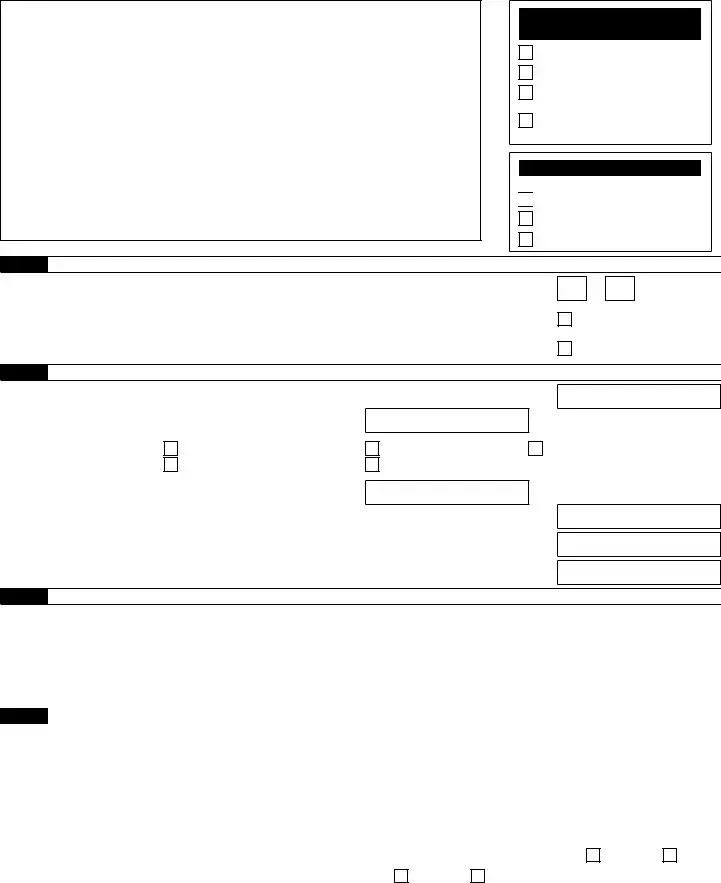
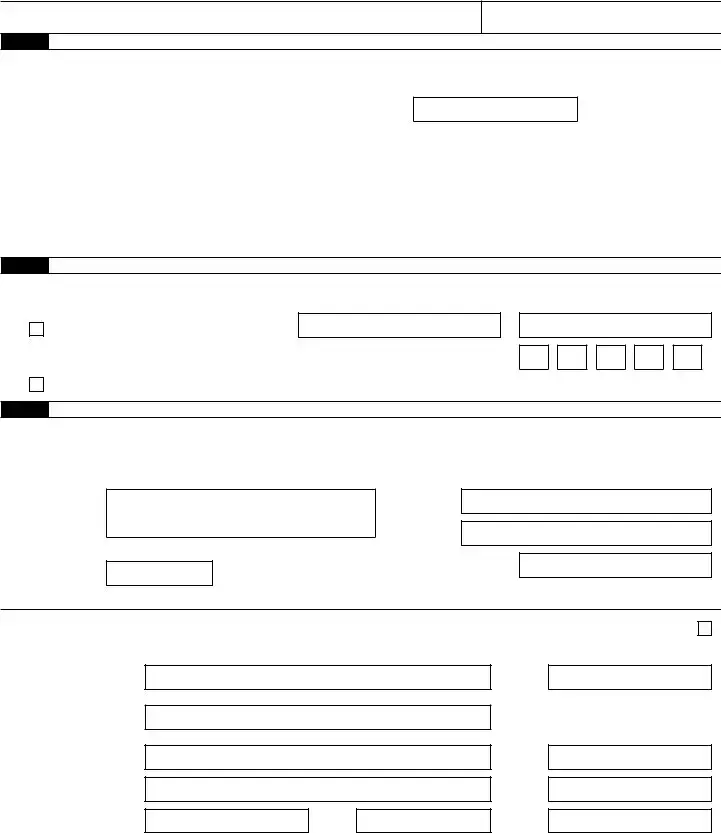
Part 5: Report your FUTA tax liability by quarter only if line 12 is more than $500. If not, go to Part 6.
16Report the amount of your FUTA tax liability for each quarter; do NOT enter the amount you deposited. If you had no liability for
a quarter, leave the line blank.
16a 1st quarter (January 1 – March 31) . . . . . . . . . 16a.
|
|
|
|
|
16b |
2nd quarter (April 1 – June 30) |
16b |
. |
|
|
|
|
|
|
16c |
3rd quarter (July 1 – September 30) |
16c |
. |
|
|
|
|
|
|
16d |
4th quarter (October 1 – December 31) |
16d |
. |
|
|
|
|
|
|
17 Total tax liability for the year (lines 16a + 16b + 16c + 16d = line 17) |
17 |
. |
Total must equal line 12. |
|
Part 6: May we speak with your
Do you want to allow an employee, a paid tax preparer, or another person to discuss this return with the IRS? See the instructions for details.
Yes. Designee’s name and phone number
Select a
No.
Part 7: Sign here. You MUST complete both pages of this form and SIGN it.
Under penalties of perjury, I declare that I have examined this return, including accompanying schedules and statements, and to the best of my knowledge and belief, it is true, correct, and complete, and that no part of any payment made to a state unemployment fund claimed as a credit was, or is to be, deducted from the payments made to employees. Declaration of preparer (other than taxpayer) is based on all information of which preparer has any knowledge.
Sign your name here
Date
/ /
Print your name here
Print your title here
Best daytime phone
Paid Preparer Use Only
Preparer’s name
Preparer’s signature
Firm’s name (or yours if
Address
City
State
Check if you are
PTIN
Date |
/ |
/ |
EIN
Phone
ZIP code
Page 2 |
Form 940 (2025) |
Form
Purpose of Form
Complete Form
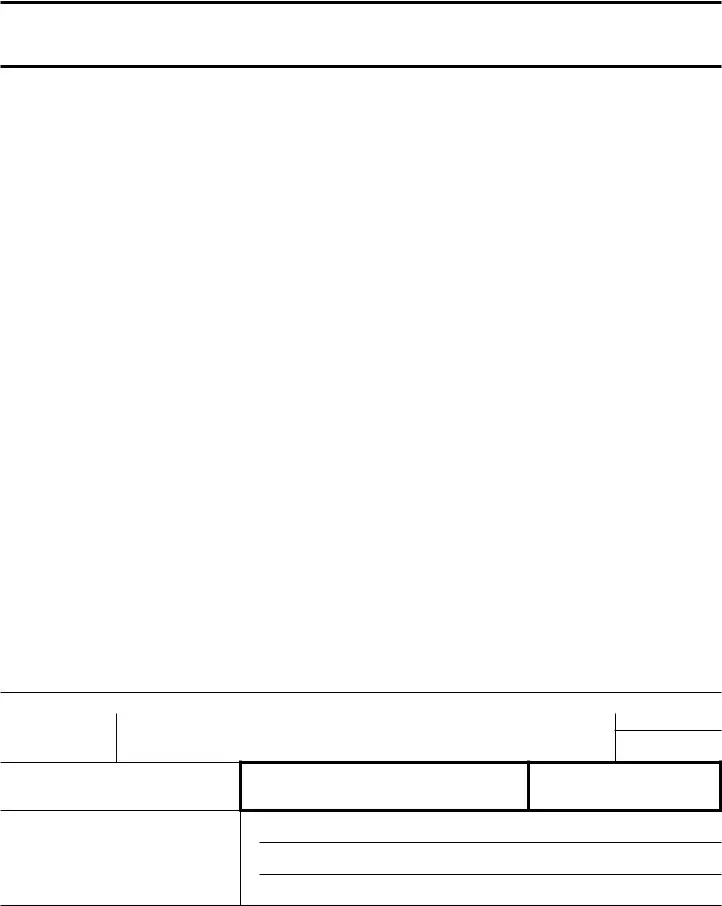
Making Payments With Form 940
To avoid a penalty, make your payment with your 2025 Form 940 only if your FUTA tax for the fourth quarter (plus any undeposited amounts from earlier quarters) is $500 or less. If your total FUTA tax after adjustments (Form 940, line 12) is more than $500, you must make deposits by electronic funds transfer (EFT). An EFT can be made using the Electronic Federal Tax Payment System (EFTPS), IRS Direct Pay, or your IRS business tax account. Don’t use Form
Use Form
that should’ve been deposited, you may be subject to a penalty. See Deposit Penalties in section 11 of Pub. 15.
Specific Instructions
Box
entry space.
Box
Box
•Enclose your check or money order made payable to “United States Treasury.” Be sure to enter your EIN, “Form 940,” and “2025” on your check or money order. Don’t send cash. Don’t staple Form
•Detach Form
Note: You must also complete the entity information above Part 1 on Form 940.
Detach Here and Mail With Your Payment and Form 940.
Form
Department of the Treasury
Internal Revenue Service
1Enter your employer identification number (EIN).
–
Payment Voucher
Don’t staple or attach this voucher to your payment.
2Enter the amount of your payment.
Make your check or money order payable to “United States Treasury.”
OMB No.
2025
Dollars |
Cents |
|
|
3Enter your business name (individual name if sole proprietor). Enter your address.
Enter your city, state, and ZIP code; or your city, foreign country name, foreign province/county, and foreign postal code.
| Fact Name | Description |
|---|---|
| Purpose | The IRS Form 940 is used to report annual Federal Unemployment Tax Act (FUTA) taxes. |
| Filing Requirement | Employers must file Form 940 if they paid $1,500 or more in wages in any calendar quarter during the year. |
| Due Date | Form 940 is typically due by January 31 of the following year, but extensions may apply. |
| State-Specific Forms | Some states have their own unemployment tax forms, governed by state laws such as the California Unemployment Insurance Code. |
| Tax Rate | The standard FUTA tax rate is 6.0% on the first $7,000 of an employee's wages, but credits can reduce this rate. |
| Credit Reduction States | States that have outstanding federal loans for unemployment benefits may have a reduced credit, increasing the FUTA rate. |
| Record Keeping | Employers should maintain payroll records for at least four years to support the information reported on Form 940. |
| Amending the Form | If errors are found after submission, employers can amend Form 940 by filing Form 940-X. |
| Electronic Filing | Employers can file Form 940 electronically through the IRS e-file system, which is often faster and more efficient. |
Completing the IRS 940 form is an important step in ensuring compliance with federal tax obligations. After filling out the form, you will need to review it carefully for accuracy before submitting it to the IRS. Make sure to keep a copy for your records.
What is the IRS 940 form?
The IRS 940 form, officially known as the Employer's Annual Federal Unemployment (FUTA) Tax Return, is used by employers to report and pay unemployment taxes to the federal government. This form is required for businesses that pay wages to employees and is typically filed annually.
Who needs to file Form 940?
Employers who pay wages of $1,500 or more in any calendar quarter, or who have one or more employees for at least part of a day in any 20 or more weeks during the current or preceding calendar year, must file Form 940. Certain government entities and nonprofit organizations are also required to file.
When is Form 940 due?
Form 940 is due on January 31 of the following year. If you make timely deposits of all FUTA taxes owed, you may have an extension until February 10. Always check for any updates or changes to the due date on the IRS website.
How do I calculate the FUTA tax?
The FUTA tax rate is 6.0% on the first $7,000 of each employee's wages. If you qualify for a credit for state unemployment taxes paid, the effective FUTA tax rate may be reduced to 0.6%. Calculate your total taxable wages and apply the appropriate rate to determine your FUTA tax liability.
What happens if I don’t file Form 940?
Failing to file Form 940 can result in penalties and interest on any unpaid taxes. The IRS may impose a penalty of 5% of the unpaid tax for each month the return is late, up to a maximum of 25%. It's crucial to file on time to avoid these consequences.
Can I file Form 940 electronically?
Yes, Form 940 can be filed electronically. The IRS encourages electronic filing as it is faster and more secure. You can use IRS e-file or approved software providers to submit your form online.
What information do I need to complete Form 940?
To complete Form 940, you will need information about your business, including your Employer Identification Number (EIN), total wages paid, and any state unemployment taxes paid. Gather all relevant payroll records before starting the form.
Where do I send my completed Form 940?
Mail your completed Form 940 to the address specified in the form instructions. The address may vary depending on whether you are enclosing a payment. Always check the latest instructions from the IRS for the correct mailing address.
Failing to sign and date the form. Without a signature, the IRS will not process the return.
Incorrectly calculating the total taxes owed. Double-check all calculations to avoid underpayment or overpayment.
Not using the correct year for the form. Ensure that you are filling out the form for the appropriate tax year.
Missing or incorrect employer identification number (EIN). This number is crucial for identifying your business.
Omitting required information about wages paid. All relevant wages must be reported accurately.
Neglecting to check the box for the correct type of return. This can lead to processing delays.
Submitting the form late. Timely submission is essential to avoid penalties.
Not keeping a copy of the submitted form. Always retain a copy for your records.
Using the wrong mailing address. Ensure you send the form to the correct IRS location.
Failing to review the instructions. Always read the guidelines provided with the form for specific requirements.
The IRS 940 form is essential for employers to report their annual Federal Unemployment Tax Act (FUTA) liability. However, several other forms and documents are often used in conjunction with the 940 to ensure compliance with tax obligations. Below is a list of related documents that may be necessary for employers.
Understanding these forms and documents is vital for employers to maintain compliance and avoid penalties. Each plays a significant role in the overall tax reporting process, and attention to detail is essential in fulfilling these obligations.
The IRS Form 941 is similar to the 940 form in that both are used by employers to report payroll taxes. While Form 940 is specifically for reporting annual Federal Unemployment Tax Act (FUTA) taxes, Form 941 is used quarterly to report income taxes withheld from employee wages, Social Security, and Medicare taxes. Employers must file Form 941 four times a year, providing a more frequent snapshot of payroll tax obligations, whereas Form 940 is filed once a year, summarizing the annual unemployment tax liability.
Another related document is the IRS Form 944. This form serves a similar purpose as Form 941 but is designed for smaller employers with an annual payroll tax liability of $1,000 or less. Like the 941, the 944 reports income taxes withheld and Social Security and Medicare taxes, but it is filed annually instead of quarterly. This allows eligible employers to simplify their reporting process and reduce the frequency of tax submissions.
The IRS Form W-2 is also comparable to the 940 form, as it is a critical document for reporting employee wages and tax withholdings. Employers must provide Form W-2 to each employee at the end of the year, detailing earnings and taxes withheld. While the 940 focuses on unemployment tax, the W-2 encompasses a broader range of wage and tax information. Both forms are essential for ensuring compliance with federal tax regulations, but they serve different reporting purposes.
IRS Form 1099 is another document that shares similarities with Form 940. While the 940 is specific to unemployment taxes for employees, Form 1099 is used to report income paid to non-employees, such as independent contractors. Various types of 1099 forms exist, but they generally provide information about payments made throughout the year. Both forms are crucial for tax reporting, but they apply to different categories of workers and payment types.
Lastly, the IRS Form 945 is similar to the 940 form in that it deals with federal tax reporting, but it specifically pertains to non-payroll payments, such as backup withholding. Employers who make certain payments that require withholding must file Form 945 annually. Like the 940, it is an annual report, but the focus is on different types of payments and the corresponding tax withholdings, providing a broader picture of an employer's tax obligations beyond just unemployment taxes.
When filling out the IRS 940 form, it's important to follow certain guidelines to ensure accuracy and compliance. Below is a list of things to do and things to avoid.
The IRS Form 940 is an essential document for employers, but several misconceptions can lead to confusion. Here are nine common misunderstandings about this form:
This is not true. Any employer who pays wages to employees and meets the threshold for Federal Unemployment Tax Act (FUTA) must file Form 940, regardless of the business size.
While Form 940 primarily addresses federal unemployment taxes, it does not replace state unemployment tax obligations. Employers must still comply with state requirements.
In reality, Form 940 is an annual return. Employers file it once a year, typically by January 31st of the following year.
Not all wages are subject to FUTA. For instance, wages paid to certain employees, such as those in specific agricultural or household roles, may be exempt.
If you had employees during the year, even if you didn’t pay them enough to owe FUTA tax, you still need to file Form 940.
While electronic filing is encouraged and often preferred, Form 940 can also be submitted via mail in paper form.
Filing the form does not automatically result in a refund. Refunds are contingent upon overpayment of FUTA taxes, which must be calculated separately.
In fact, if you discover an error after filing, you can amend Form 940 using Form 940-X to correct any mistakes.
These forms serve different purposes. Form 941 is used for reporting income taxes, Social Security tax, and Medicare tax withheld from employee wages, while Form 940 focuses solely on unemployment taxes.
Understanding these misconceptions can help ensure compliance and avoid unnecessary penalties. Always consider consulting with a tax professional for personalized guidance.
The IRS 940 form is an important document for employers in the United States. It is used to report annual Federal Unemployment Tax Act (FUTA) taxes. Here are some key takeaways about filling out and using the IRS 940 form:
Understanding these key points can help ensure compliance with federal tax obligations and avoid potential penalties. Properly filling out the IRS 940 form is crucial for maintaining good standing as an employer.