The Far Commercial Contract form is a vital tool in the realm of commercial transactions, designed to facilitate clear and effective agreements between parties. This form encompasses various essential elements, including the identification of the parties involved, the description of the property or services being exchanged, and the terms of payment. It also outlines important conditions such as timelines for performance, contingencies, and dispute resolution mechanisms. By providing a structured framework, the Far Commercial Contract form helps to minimize misunderstandings and disputes, fostering a smoother transaction process. Its comprehensive nature ensures that all parties are aware of their rights and obligations, promoting transparency and accountability. As businesses navigate the complexities of commercial agreements, understanding this form can be a significant advantage in achieving successful outcomes.
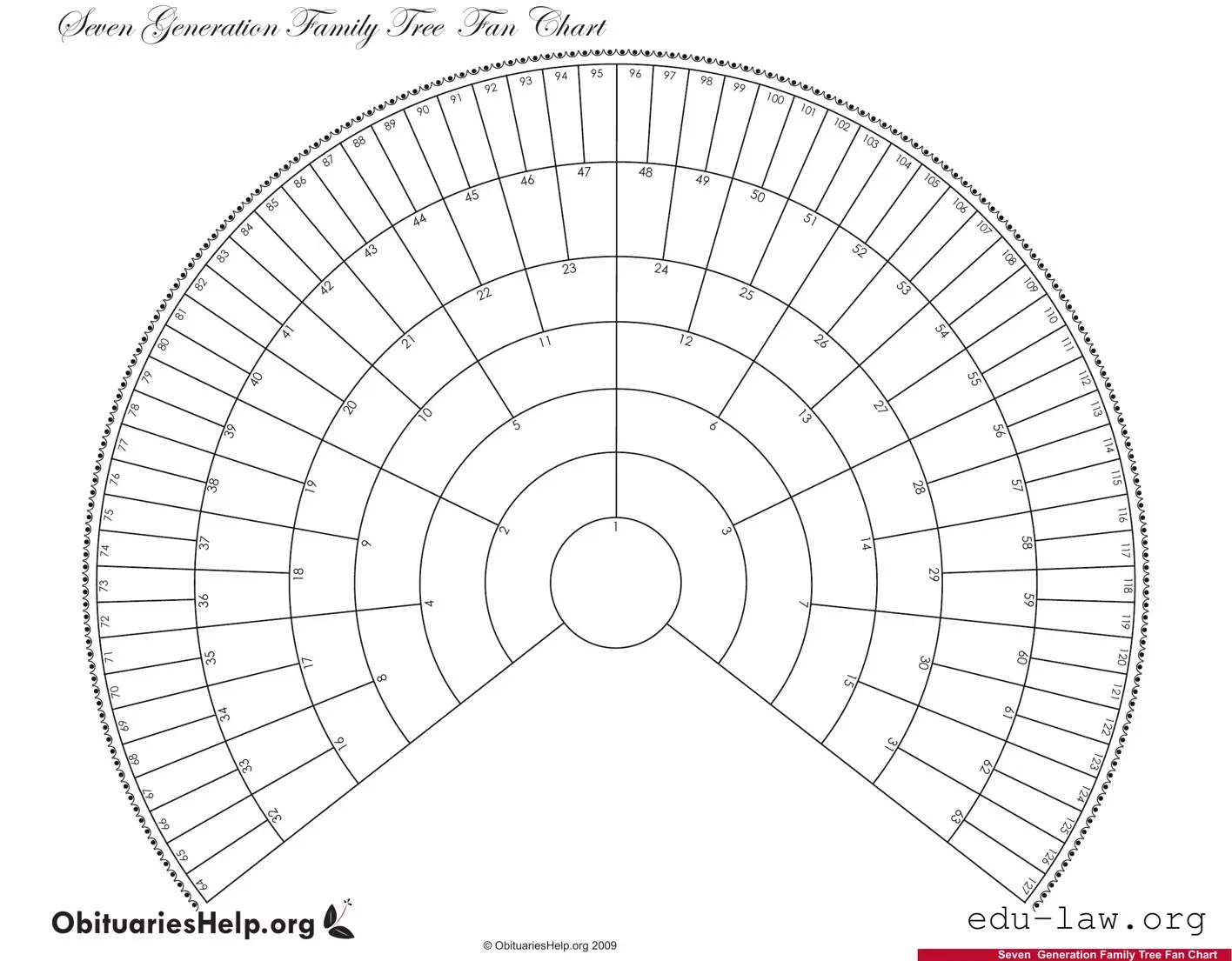
Seven Generation Family Tree Fan Chart
79
78 77 76 75 74 73 72 71
70
69
68
|
|
|
|
|
|
|
90 |
|
|
|
|
|
|
|
89 |
|
|
|
|
|
|
|
88 |
|
|
|
|
|
|
87 |
|
|
|
|
|
|
|
86 |
|
|
|
|
|
|
85 |
|
|
|
|
|
|
84 |
|
|
44 |
|
|
|
|
|
|
|
|
|
|
83 |
|
|
|
|
43 |
|
|
|
|
|
|
|
|
82 |
|
|
|
|
|
42 |
|
|
|
|
|
|
|
|
|
81 |
|
|
|
|
|
|
|
80 |
|
|
|
|
41 |
|
21 |
|
|
|
|
|
|
||
|
|
|
|
|
|
|
|
|
|
|
|
|
40 |
|
|
|
|
|
|
|
|
20 |
10 |
|
|
|
39 |
|
|
|
|
|
|
|
|
|
|
|
|
|
38 |
|
|
|
|
19 |
|
|
|
|
|
|
|
|
|
37 |
|
|
|
|
|
|
9 |
|
|
|
|
|
|
18 |
|
36 |
|
|
|
|
|
|
4 |
35 |
17 |
|
|
|
8 |
34 |
|
|
16 |
|
33 |
93 |
94 |
95 |
96 |
97 |
98 |
|
|
|
|
|
|
|
99 |
|
|
||
92 |
|
|
|
|
|
100 |
|
|
91 |
|
|
|
|
|
|
101 |
|
|
|
|
|
|
|
|
|
|
|
|
|
|
|
|
|
|
102 |
|
|
|
|
|
|
|
|
103 |
47 |
48 |
|
|
|
104 |
49 |
|
|
105 |
||
46 |
|
|
|
||
45 |
|
|
50 |
|
106 |
|
|
|
|
51 |
|
|
|
|
|
107 |
|
|
|
|
|
|
|
52 |
108 |
|
|
|
23 |
24 |
|
|
|
|
25 |
|
53 |
109 |
|
22 |
|
|
|
|
|
||
|
|
|
|
|
|
||
|
|
|
|
|
|
|
110 |
|
|
|
|
|
54 |
|
|
|
11 |
12 |
|
26 |
|
|
111 |
|
|
|
|
|
55 |
|
112 |
|
|
|
|
|
27 |
|
113 |
|
|
|
|
13 |
|
|
|
|
|
|
|
|
|
|
|
|
5 |
|
6 |
|
|
56 |
|
|
|
|
|
|
|
|
|
|
|
|
|
|
|
|
114 |
|
|
|
|
|
28 |
57 |
115 |
|
|
|
|
|
|
||
|
|
|
|
|
|
|
116 |
2 |
1 |
|
3 |
|
|
|
|
|
|
|
|
14 |
58 |
|
|
|
|
|
|
|
117 |
||
|
|
|
|
|
|
|
|
|
|
|
|
|
29 |
|
118 |
|
|
|
|
|
|
59 |
|
|
|
|
|
7 |
|
|
|
|
|
|
|
|
|
|
119 |
|
|
|
|
|
30 |
60 |
120 |
|
|
|
|
15 |
|
|
|
|
|
|
|
|
|
121 |
|
|
|
|
|
|
|
|
|
|
|
|
|
|
|
61 |
122 |
|
|
|
|
|
31 |
|
|
|
|
|
|
|
|
123 |
|
|
|
|
|
|
|
62 |
|
|
|
|
|
|
|
|
|
67
32
66
65
64
|
124 |
63 |
125 |
|
|
|
126 |
|
127 |
ObituariesHelp.org
© ObituariesHelp.org 2009
Seven Generation Family Tree Fan Chart
| Fact Name | Description |
|---|---|
| Purpose | The FAR Commercial Contract form is designed for commercial real estate transactions. |
| Governing Law | This form is governed by the laws of the state where the property is located. |
| Parties Involved | It typically involves a buyer and a seller, both of whom are clearly identified in the contract. |
| Property Description | A detailed description of the property being sold is included in the form. |
| Purchase Price | The contract specifies the agreed-upon purchase price for the property. |
| Closing Date | A specific closing date is established, outlining when the transaction will be finalized. |
| Contingencies | Common contingencies, such as financing or inspections, are often included to protect both parties. |
| Default Provisions | The form outlines the consequences of default by either party. |
| Amendments | Any amendments to the contract must be made in writing and signed by both parties. |
| Signatures | Finalizing the contract requires signatures from all parties involved, indicating their agreement. |
Filling out the Far Commercial Contract form requires attention to detail and accuracy. Each section must be completed carefully to ensure all necessary information is provided. Once the form is filled out, it will be ready for submission or further processing.
What is the FAR Commercial Contract form?
The FAR Commercial Contract form is a standardized document used in real estate transactions, particularly for commercial properties. It outlines the terms and conditions agreed upon by the buyer and seller, ensuring clarity and reducing misunderstandings throughout the transaction process.
Who typically uses the FAR Commercial Contract form?
This form is commonly utilized by real estate professionals, including agents, brokers, and attorneys, as well as buyers and sellers involved in commercial property transactions. Its standardized nature makes it a preferred choice for many in the industry.
What are the key components of the FAR Commercial Contract form?
The FAR Commercial Contract includes several important sections, such as the property description, purchase price, financing terms, contingencies, closing date, and any special provisions. Each section is designed to address specific aspects of the transaction to ensure all parties are on the same page.
How does the FAR Commercial Contract handle contingencies?
Contingencies are conditions that must be met for the contract to proceed. The FAR Commercial Contract allows buyers and sellers to outline specific contingencies, such as financing approval, property inspections, or zoning approvals. This flexibility helps protect both parties' interests during the transaction.
Can the FAR Commercial Contract be modified?
Yes, the FAR Commercial Contract can be modified to suit the needs of the parties involved. Any changes must be made in writing and agreed upon by both parties. It is crucial to ensure that modifications do not conflict with existing terms to maintain the contract's validity.
What happens if one party breaches the FAR Commercial Contract?
If one party fails to uphold their obligations under the FAR Commercial Contract, it may be considered a breach. The non-breaching party typically has the right to seek remedies, which may include financial compensation or specific performance, where the breaching party is required to fulfill their contractual obligations.
Is legal counsel recommended when using the FAR Commercial Contract?
While it is not mandatory, seeking legal counsel is highly recommended. An attorney can provide valuable insights, ensure that the contract is properly executed, and help navigate any complexities that may arise during the transaction.
How does the FAR Commercial Contract address closing costs?
The FAR Commercial Contract typically specifies how closing costs will be allocated between the buyer and seller. This includes fees for title insurance, recording fees, and other related expenses. Clarity in this section can help prevent disputes at closing.
What is the significance of the closing date in the FAR Commercial Contract?
The closing date is a critical element of the FAR Commercial Contract, as it marks the official transfer of ownership from the seller to the buyer. Both parties must adhere to this timeline to ensure a smooth transaction. Delays can lead to complications or financial penalties.
Are there any common pitfalls to avoid when using the FAR Commercial Contract?
Common pitfalls include failing to thoroughly review all terms, neglecting to include necessary contingencies, and not seeking legal advice. It's essential to approach the contract with care and attention to detail to avoid potential issues down the line.
Incomplete Information: One of the most common mistakes is leaving sections of the form blank. Every field is important, and missing information can lead to delays or even rejection of the contract.
Incorrect Dates: Filling in the wrong dates can cause confusion. Ensure that all dates, including the contract start and end dates, are accurate and formatted correctly.
Failure to Sign: It might seem obvious, but many forget to sign the contract. Without a signature, the document is not legally binding.
Not Reviewing Terms: Skimming through the terms and conditions can lead to misunderstandings. Take the time to read and understand each section before submitting the form.
Ignoring Required Attachments: Some contracts require additional documents or attachments. Failing to include these can result in processing delays or rejection of the contract.
The Far Commercial Contract form is a crucial document in the realm of commercial real estate transactions. However, it is often accompanied by various other forms and documents that help clarify terms, protect interests, and ensure compliance with legal standards. Below is a list of commonly used documents that complement the Far Commercial Contract form.
Understanding these documents and their roles in the transaction process is vital for both buyers and sellers. Each form plays a specific part in ensuring that the transaction proceeds smoothly and that all parties are protected throughout the process.
The FAR Commercial Contract form is similar to the Residential Purchase Agreement. Both documents outline the terms and conditions for the sale of property. They specify the responsibilities of the buyer and seller, including payment details and contingencies. Each agreement serves to protect the interests of both parties, ensuring a clear understanding of the transaction's requirements.
Another document similar to the FAR Commercial Contract is the Lease Agreement. This contract governs the rental of commercial property. Like the FAR form, it details the rights and obligations of both landlords and tenants. It includes terms such as rent amount, duration of the lease, and maintenance responsibilities, ensuring both parties are aware of their commitments.
The Commercial Purchase Agreement also shares similarities with the FAR Commercial Contract. This document is used when purchasing commercial real estate. It outlines the purchase price, financing arrangements, and any contingencies. Both agreements are designed to facilitate a smooth transaction while safeguarding the interests of the involved parties.
The Listing Agreement is another document that resembles the FAR Commercial Contract. This agreement is between a property owner and a real estate agent. It defines the agent's role in marketing the property and the commission structure. Similar to the FAR form, it aims to clarify expectations and responsibilities, ensuring both parties are aligned on the sale process.
The Option to Purchase Agreement is akin to the FAR Commercial Contract as well. This document gives a potential buyer the right to purchase a property within a specified time frame. It outlines the purchase price and any conditions that must be met. Both agreements provide a framework for the transaction, protecting the interests of the buyer and seller.
The Joint Venture Agreement is another similar document. It is used when two or more parties collaborate on a real estate project. Like the FAR Commercial Contract, it outlines each party's contributions, responsibilities, and profit-sharing arrangements. This agreement ensures all parties understand their roles, promoting a successful partnership.
The Partnership Agreement also bears similarities to the FAR Commercial Contract. This document governs the relationship between business partners involved in real estate transactions. It outlines each partner's contributions, decision-making authority, and profit distribution. Both agreements serve to clarify expectations and protect the interests of all parties involved.
The Commercial Lease Option Agreement is another document that resembles the FAR Commercial Contract. It provides a tenant with the option to purchase the leased property at a later date. This agreement details the terms of the lease, the option fee, and the purchase price. Both documents aim to protect the rights of the parties while facilitating a potential future sale.
Lastly, the Real Estate Development Agreement is similar to the FAR Commercial Contract. This document outlines the terms for developing a property, including timelines, costs, and responsibilities. Like the FAR form, it serves to protect the interests of all parties involved, ensuring a clear understanding of the project’s scope and expectations.
When filling out the FAR Commercial Contract form, it’s essential to be thorough and accurate. Here’s a list of things to keep in mind:
By following these guidelines, you can help ensure that your form is completed correctly and processed smoothly.
Understanding the Far Commercial Contract form is crucial for anyone involved in real estate transactions. However, several misconceptions can cloud its purpose and use. Here are eight common misunderstandings:
By addressing these misconceptions, individuals can approach the Far Commercial Contract with a clearer understanding, leading to more informed decisions in their commercial real estate endeavors.
When filling out and using the FAR Commercial Contract form, keep these key takeaways in mind:
By keeping these points in mind, you can navigate the FAR Commercial Contract form with confidence.