The DA 4856 form plays a crucial role in the United States Army's evaluation and counseling process. This document is primarily used for developmental counseling, which helps soldiers understand their strengths and areas for improvement. It serves as a platform for leaders to provide feedback and guidance, fostering personal and professional growth. The form is not just a checklist; it encourages open dialogue between soldiers and their superiors. Key elements of the DA 4856 include the soldier's goals, the leader's assessment, and a plan for future development. By documenting these discussions, the form also ensures accountability and clarity in the soldier's progression within the Army. Understanding how to effectively use the DA 4856 can significantly enhance communication and performance in military settings.
|
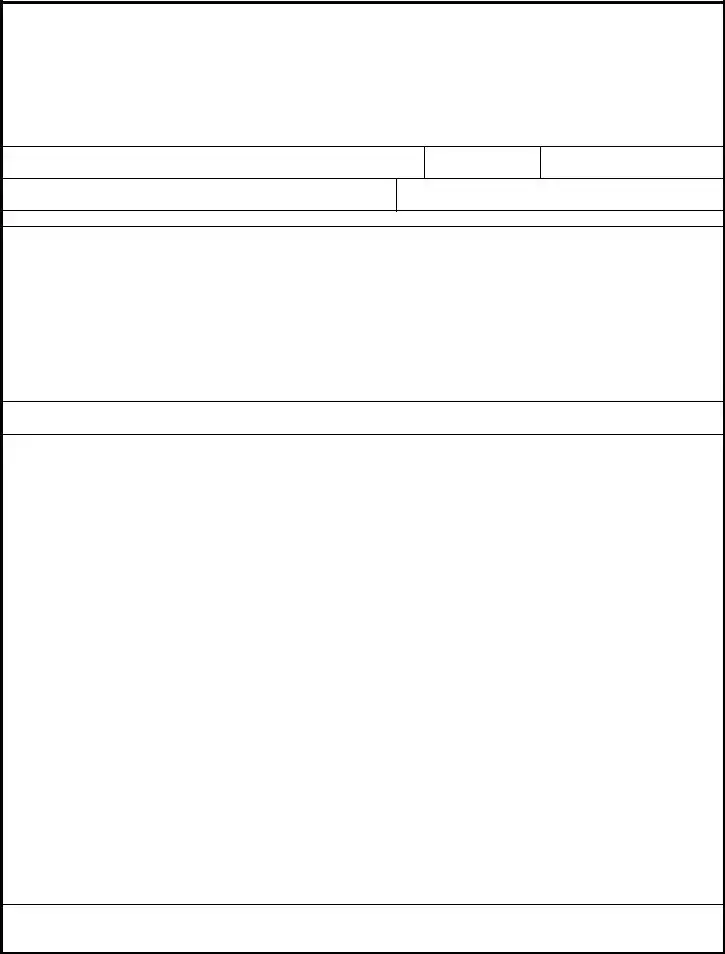
DEVELOPMENTAL COUNSELING FORM |
|
For use of this form, see ATP |
AUTHORITY: |
DATA REQUIRED BY THE PRIVACY ACT OF 1974 |
5 USC 301, Departmental Regulations; 10 USC 3013, Secretary of the Army. |
|
PRINCIPAL PURPOSE: |
To assist leaders in conducting and recording counseling data pertaining to subordinates. |
ROUTINE USES: |
The DoD Blanket Routine Uses set forth at the beginning of the Army's compilation of systems or records notices also |
|
apply to this system. |
DISCLOSURE: |
Disclosure is voluntary. |
|
PART I - ADMINISTRATIVE DATA |
Name (Last, First, MI)
Organization
Rank/Grade |
Date of Counseling |
Name and Title of Counselor
PART II - BACKGROUND INFORMATION
Purpose of Counseling: (Leader states the reason for the counseling, e.g. Performance/Professional or
PART III - SUMMARY OF COUNSELING
Complete this section during or immediately subsequent to counseling.
Key Points of Discussion:
OTHER INSTRUCTIONS
This form will be destroyed upon: reassignment (other than rehabilitative transfers), separation at ETS, or upon retirement. For separation requirements and notification of loss of benefits/consequences see local directives and AR
DA FORM 4856, JUL 2014 |
PREVIOUS EDITIONS ARE OBSOLETE. |
Page 1 of 2 |
APD LC v1.04ES
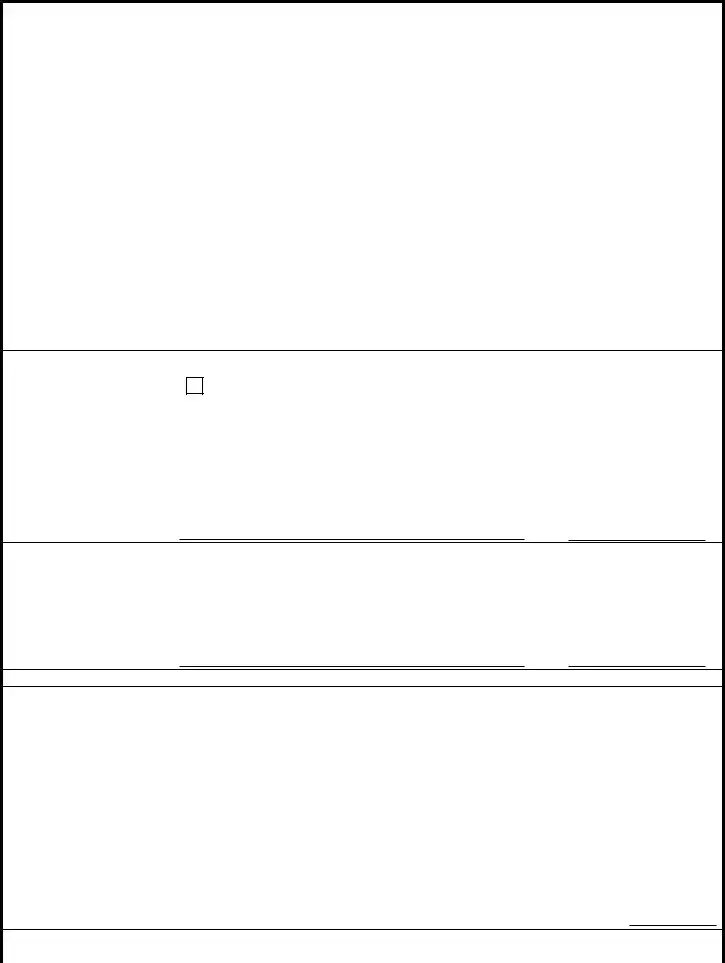
Plan of Action (Outlines actions that the subordinate will do after the counseling session to reach the agreed upon goal(s). The actions must be specific enough to modify or maintain the subordinate's behavior and include a specified time line for implementation and assessment (Part IV below)
Session Closing: (The leader summarizes the key points of the session and checks if the subordinate understands the plan of action. The subordinate agrees/disagrees and provides remarks if appropriate.)
Individual counseled: |
|
I agree |
Individual counseled remarks:
disagree with the information above.
Signature of Individual Counseled: |
Date: |
Leader Responsibilities: (Leader's responsibilities in implementing the plan of action.)
Signature of Counselor: |
Date: |
PART IV - ASSESSMENT OF THE PLAN OF ACTION
Assessment: (Did the plan of action achieve the desired results? This section is completed by both the leader and the individual counseled and
provides useful information for
Counselor: |
|
Individual Counseled: |
|
Date of |
|
|
|
|
Assessment: |
Note: Both the counselor and the individual counseled should retain a record of the counseling.
DA FORM 4856, JUL 2014 |
Page 2 of 2 |
APD LC v1.04ES
| Fact Name | Description |
|---|---|
| Purpose | The DA 4856 form is used for counseling sessions in the U.S. Army, documenting performance and behavior. |
| Usage | This form is utilized by leaders to provide feedback, set goals, and outline expectations for soldiers. |
| Format | The form is structured to include sections for the counselor's comments, soldier's response, and a plan of action. |
| Retention | DA 4856 forms should be retained in the soldier's personnel file for a specified duration, often for the duration of their service. |
| Governing Regulations | The use of the DA 4856 is governed by Army Regulation 623-3, which outlines performance evaluation and counseling procedures. |
| State-Specific Forms | While DA 4856 is federal, states may have their own forms for similar purposes, governed by state military regulations. |
Completing the DA 4856 form is an important step in documenting counseling sessions within the military. Following these steps will ensure that the form is filled out accurately and efficiently, allowing for proper record-keeping and communication.
What is the DA 4856 form used for?
The DA 4856 form, also known as the Developmental Counseling Form, is primarily used by U.S. Army leaders to document counseling sessions with soldiers. This form serves multiple purposes, including providing feedback on performance, outlining goals, and addressing behavioral issues. It is a valuable tool for fostering communication between leaders and soldiers, ensuring that both parties are aligned on expectations and development plans.
Who can use the DA 4856 form?
The DA 4856 form can be utilized by any U.S. Army leader, including non-commissioned officers (NCOs) and commissioned officers. It is designed for use in various counseling scenarios, such as initial counseling, performance counseling, and disciplinary actions. Any leader who has a responsibility for the development and welfare of soldiers can effectively use this form to document their discussions and plans.
How should the DA 4856 form be filled out?
Filling out the DA 4856 form requires careful attention to detail. Start by entering the soldier's personal information, including their name, rank, and unit. Next, document the date and type of counseling being conducted. Clearly outline the key points discussed during the session, including performance strengths, areas for improvement, and specific goals. Both the counselor and the soldier should sign the form to acknowledge the discussion. It is essential to keep the language clear and constructive to promote understanding and growth.
What happens after the DA 4856 form is completed?
Once the DA 4856 form is completed and signed, it should be filed in the soldier's personnel records. This ensures that there is a documented history of the counseling sessions, which can be referenced in future evaluations or discussions. Additionally, the soldier should retain a copy for their records. Follow-up sessions may be scheduled to assess progress on the goals outlined in the counseling, fostering ongoing development and support.
Inaccurate Personal Information: One common mistake is providing incorrect personal details. This includes name, rank, social security number, and unit information. Always double-check these entries to ensure accuracy.
Incomplete Sections: Failing to fill out all required sections can lead to delays or issues. Each part of the form serves a purpose. Ensure that every section is addressed, even if it seems minor.
Neglecting to Sign and Date: Some individuals forget to sign or date the form. This oversight can render the document invalid. Always remember to include your signature and the date before submission.
Not Keeping a Copy: After submitting the form, not retaining a copy for personal records is a frequent error. Keeping a copy can be crucial for future reference or in case of discrepancies.
The DA 4856 form, known as the Developmental Counseling Form, is essential for documenting counseling sessions within the military. It is often used alongside several other forms and documents to ensure comprehensive record-keeping and effective communication. Below is a list of other forms commonly associated with the DA 4856.
Utilizing these forms alongside the DA 4856 can enhance the counseling process, providing a well-rounded approach to soldier development and accountability. Each document serves a specific purpose, ensuring that all aspects of a soldier's performance and well-being are adequately addressed.
The DA Form 2166-9, also known as the NCO Evaluation Report, is similar to the DA 4856 in that both documents are used to assess and document the performance and potential of military personnel. The DA 2166-9 focuses specifically on non-commissioned officers and includes feedback on leadership abilities, technical skills, and overall effectiveness. Like the DA 4856, it serves as an important tool for professional development and career progression, providing a structured format for evaluation and future goal-setting.
The DA Form 1059, or the Service School Academic Evaluation Report, shares similarities with the DA 4856 in its purpose of documenting an individual’s performance. This form is used to evaluate soldiers who have completed a military school or training program. It highlights the soldier's academic achievements and areas needing improvement, much like the DA 4856, which also addresses strengths and weaknesses in a soldier's performance and development goals.
The DA Form 7500, known as the Army Physical Fitness Test Scorecard, is another document that parallels the DA 4856 in terms of tracking progress and performance. While the DA 4856 focuses on overall professional development, the DA 7500 specifically measures a soldier's physical fitness. Both forms emphasize the importance of setting goals and documenting achievements, thereby contributing to a soldier’s overall readiness and effectiveness in their role.
Lastly, the DA Form 4856-1, which is the Counseling Record, is closely related to the DA 4856. This form is used for documenting specific counseling sessions that address performance, behavior, or other issues. It provides a more detailed account of individual counseling sessions, while the DA 4856 serves as a broader overview of a soldier's development. Both documents aim to facilitate communication between leaders and soldiers, ensuring that feedback is clear and actionable.
When filling out the DA 4856 form, which is used for counseling purposes in the military, it's essential to approach the task with care. Here are some helpful guidelines to ensure that the form is completed correctly and effectively.
By following these guidelines, you can help ensure that the DA 4856 form is filled out correctly and serves its intended purpose effectively.
The DA 4856 form is often misunderstood. Here are eight common misconceptions about it:
Understanding these misconceptions can help ensure that the DA 4856 form is used effectively and serves its intended purpose.
The DA 4856 form, also known as the Developmental Counseling Form, is an essential tool used in the military for documenting counseling sessions. Here are some key takeaways regarding its use: