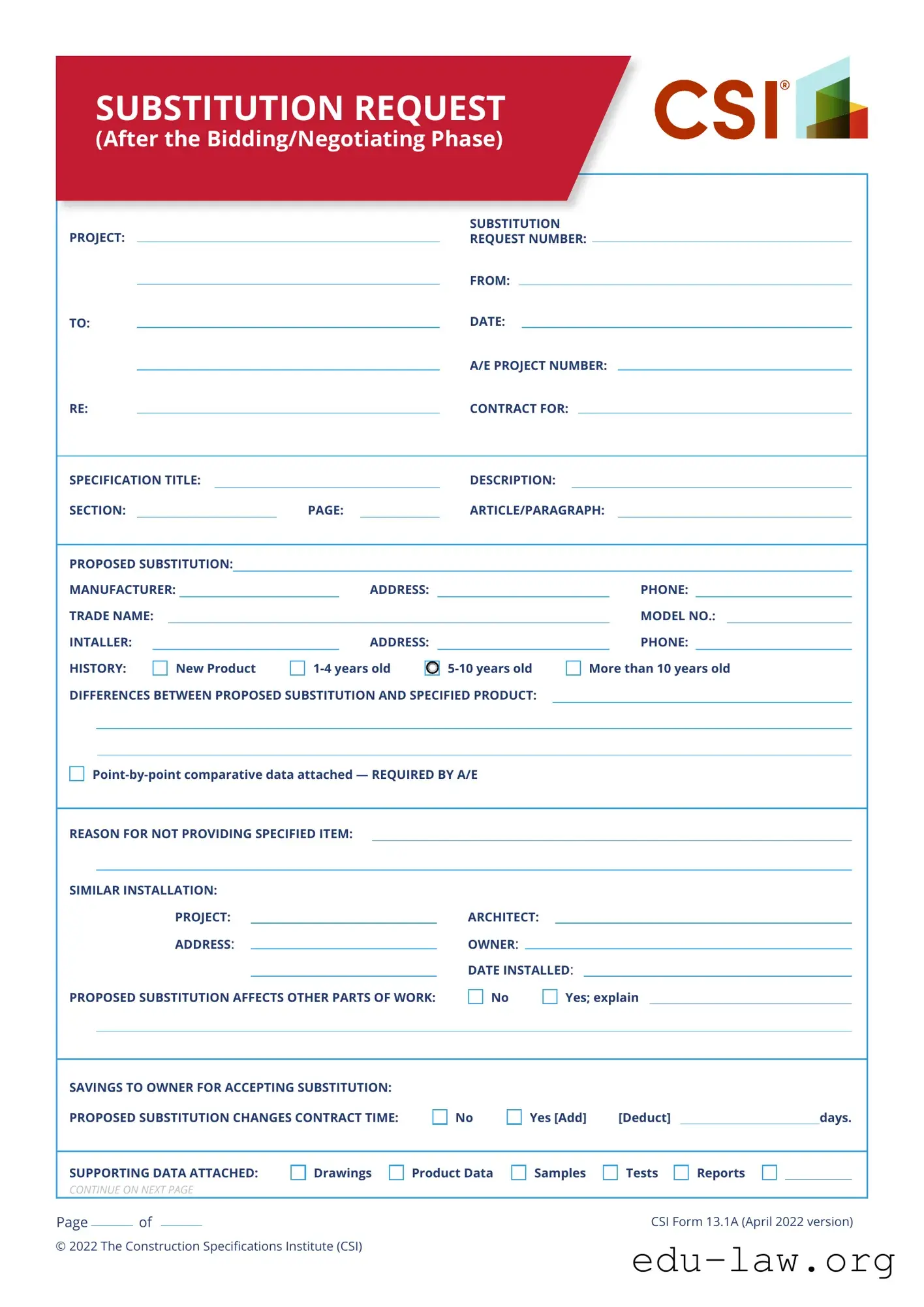
The CSI 13 1A form serves a crucial role in construction projects, particularly during the substitution request phase following bidding and negotiation. This form is utilized by contractors and architects to formally propose changes to specified products in a construction contract. Key elements of the form include the project details, substitution request number, and pertinent information about the proposed substitution, such as the manufacturer, trade name, and model number. It requires a comprehensive comparison between the proposed product and the originally specified item, ensuring that the architect or engineer receives point-by-point data for evaluation. Additionally, the form addresses the history of the proposed substitution, indicating whether it is a new product or has been in use for a certain number of years. The form also prompts the contractor to explain any differences and the rationale for not using the specified item. Furthermore, it assesses the potential impact on the overall project, including any changes to contract time and cost savings for the owner. Supporting documentation, such as drawings and product data, must accompany the submission to provide a complete picture of the proposed changes. This systematic approach ensures that all parties involved can make informed decisions regarding substitutions, ultimately contributing to the project's success.

SUBSTITUTION REQUEST
(After the Bidding/Negotiating Phase)
|
PROJECT: |
|
|
|
|
|
|
|
|
|
|
|
|
|
|
|
|
|
SUBSTITUTION |
|
|
|
|
|
|
|
|
|
|
|
|
|
|
||||||||||||
|
|
|
|
|
|
|
|
|
|
|
|
|
|
|
|
|
|
|
|
|
|
|
|
|
|
|
|
|
|
|
|
||||||||||||||
|
|
|
|
|
|
|
|
|
|
|
|
|
|
|
|
|
|
REQUEST NUMBER: |
|
|
|
|
|
|
|
|
|
|
|
|
|
|
|||||||||||||
|
|
|
|
|
|
|
|
|
|
|
|
|
|
|
|
|
|
|
|
|
|
|
|
|
|
|
|
|
|
|
|
||||||||||||||
|
|
|
|
|
|
|
|
|
|
|
|
|
|
|
|
|
|
|
|
|
|
|
FROM: |
|
|
|
|
|
|
|
|
|
|
|
|
|
|
|
|
|
|
|
|
|
|
|
TO: |
|
|
|
|
|
|
|
|
|
|
|
|
|
|
|
|
|
DATE: |
|
|
|
|
|
|
|
|
|
|
|
|
|
|
|
|
|
|
|
|
|
|||||
|
|
|
|
|
|
|
|
|
|
|
|
|
|
|
|
|
|
|
|
|
|
|
A/E PROJECT NUMBER: |
|
|
|
|
|
|
|
|
||||||||||||||
|
|
|
|
|
|
|
|
|
|
|
|
|
|
|
|
|
|
|
|
|
|
|
|
|
|
|
|
|
|
|
|||||||||||||||
|
RE: |
|
|
|
|
|
|
|
|
|
|
|
|
|
|
|
|
|
CONTRACT FOR: |
|
|
|
|
|
|
|
|
|
|
|
|
|
|
|
|||||||||||
|
|
|
|
|
|
|
|
|
|
|
|
|
|
|
|
|
|
|
|
|
|
|
|
|
|
|
|
|
|
|
|
|
|
|
|
|
|
|
|
|
|
|
|
|
|
|
SPECIFICATION TITLE: |
|
|
|
|
|
|
|
|
DESCRIPTION: |
|
|
|
|
|
|
|
|
|
|
|
|
|
|
|
||||||||||||||||||||
|
SECTION: |
|
|
|
|
|
|
|
|
|
|
PAGE: |
|
|
ARTICLE/PARAGRAPH: |
|
|
|
|
|
|
||||||||||||||||||||||||
|
|
|
|
|
|
|
|
|
|
|
|
|
|
|
|
|
|
|
|
|
|
|
|
|
|
|
|
|
|
|
|
|
|
|
|
|
|||||||||
|
PROPOSED SUBSTITUTION: |
|
|
|
|
|
|
|
|
|
|
|
|
|
|
|
|
|
|
|
|
|
|
|
|
|
|
|
|
|
|
||||||||||||||
|
MANUFACTURER: |
|
|
|
|
|
ADDRESS: |
|
|
|
|
|
|
|
|
|
|
|
|
|
|
PHONE: |
|
|
|
|
|
|
|||||||||||||||||
|
TRADE NAME: |
|
|
|
|
|
|
|
|
|
|
|
|
|
|
|
|
|
|
|
|
MODEL NO.: |
|||||||||||||||||||||||
|
INTALLER: |
|
|
|
|
|
|
|
|
|
|
|
|
|
ADDRESS: |
|
|
|
|
|
|
|
|
|
|
|
|
|
|
PHONE: |
|
|
|
|
|
|
|||||||||
|
HISTORY: |
|
|
|
New Product |
|
|
More than 10 years old |
|||||||||||||||||||||||||||||||||||||
|
DIFFERENCES BETWEEN PROPOSED SUBSTITUTION AND SPECIFIED PRODUCT: |
|
|
|
|
|
|
|
|
|
|
|
|
|
|
||||||||||||||||||||||||||||||
|
|
|
|
|
|
|
|
|
|
|
|
|
|
|
|
|
|
|
|
|
|
|
|
|
|
|
|
|
|
|
|
|
|
|
|
|
|
|
|
|
|
|
|
|
|
|
|
|
|
|
|
|
|
|
|
|
|
|
|
|
|
|
|
|
|
|
|
|
|
|
|
|
|
|
|
|
|
||||||||||||||
|
|
|
|
|
|
|
|
|
|
|
|
|
|
|
|
|
|
|
|
|
|
||||||||||||||||||||||||
|
|
|
|
|
|
|
|
|
|
|
|
|
|
|
|
|
|
|
|
|
|
|
|
|
|
|
|
|
|
|
|
|
|||||||||||||
|
REASON FOR NOT PROVIDING SPECIFIED ITEM: |
|
|
|
|
|
|
|
|
|
|
|
|
|
|
|
|
|
|
|
|
|
|
|
|
|
|||||||||||||||||||
|
|
|
|
|
|
|
|
|
|
|
|
|
|
|
|
|
|
|
|
|
|
|
|
|
|
|
|
|
|
|
|
|
|
|
|
|
|
|
|
|
|
|
|
|
|
|
SIMILAR INSTALLATION: |
|
|
|
|
|
|
|
|
|
|
|
|
|
|
|
|
|
|
|
|
|
|
|
|
|
|
|
|
|
|
||||||||||||||
|
|
|
|
|
|
|
|
|
PROJECT: |
|
|
|
|
|
|
|
ARCHITECT: |
|
|
|
|
|
|
|
|
|
|
|
|
|
|
||||||||||||||
|
|
|
|
|
|
|
|
|
ADDRESS: |
|
|
|
|
|
|
|
|
|
OWNER: |
|
|
|
|
|
|
|
|
|
|
|
|
|
|
|
|
|
|
|
|
||||||
|
|
|
|
|
|
|
|
|
|
|
|
|
|
|
|
|
|
|
|
|
|
|
DATE INSTALLED: |
|
|
|
|
|
|
|
|
|
|
|
|
|
|
|
|||||||
|
PROPOSED SUBSTITUTION AFFECTS OTHER PARTS OF WORK: |
No |
|
|
Yes; explain |
|
|
|
|
|
|
||||||||||||||||||||||||||||||||||
|
|
|
|
|
|
|
|
|
|
|
|
|
|
|
|
|
|
|
|
|
|
|
|
|
|
|
|
|
|
|
|
|
|
|
|
|
|||||||||
|
|
|
|
|
|
|
|
|
|
|
|
|
|
|
|
|
|
|
|
|
|
|
|
|
|
|
|
|
|
|
|
||||||||||||||
|
SAVINGS TO OWNER FOR ACCEPTING SUBSTITUTION: |
|
|
|
|
|
|
|
|
|
|
|
|
|
|
|
|
|
|
|
|
|
|
|
|
|
|||||||||||||||||||
|
PROPOSED SUBSTITUTION CHANGES CONTRACT TIME: |
|
|
No |
Yes [Add] |
|
|
|
|
[Deduct] |
|
|
days. |
||||||||||||||||||||||||||||||||
|
|
|
|
|
|
|
|
|
|
|
|
|
|
|
|
|
|
|
|
|
|
|
|
|
|
|
|
|
|
|
|
|
|
|
|
|
|
|
|
|
|
|
|
|
|
|
SUPPORTING DATA ATTACHED: |
Drawings |
Product Data |
Samples |
|
|
|
|
Tests |
Reports |
|||||||||||||||||||||||||||||||||||
|
CONTINUE ON NEXT PAGE |
|
|
|
|
|
|
|
|
|
|
|
|
|
|
|
|
|
|
|
|
|
|
|
|
|
|
|
|
|
|
||||||||||||||
Page |
|
|
of |
|
|
|
|
|
|
|
|
|
|
|
|
|
|
|
|
|
|
|
|
|
|
|
|
CSI Form 13.1A (April 2022 version) |
|||||||||||||||||
|
|
|
|
|
|
|
|
|
|
|
|
|
|
|
|
|
|
|
|
|
|
|
|
||||||||||||||||||||||
© 2022 The Construction Specifications Institute (CSI)
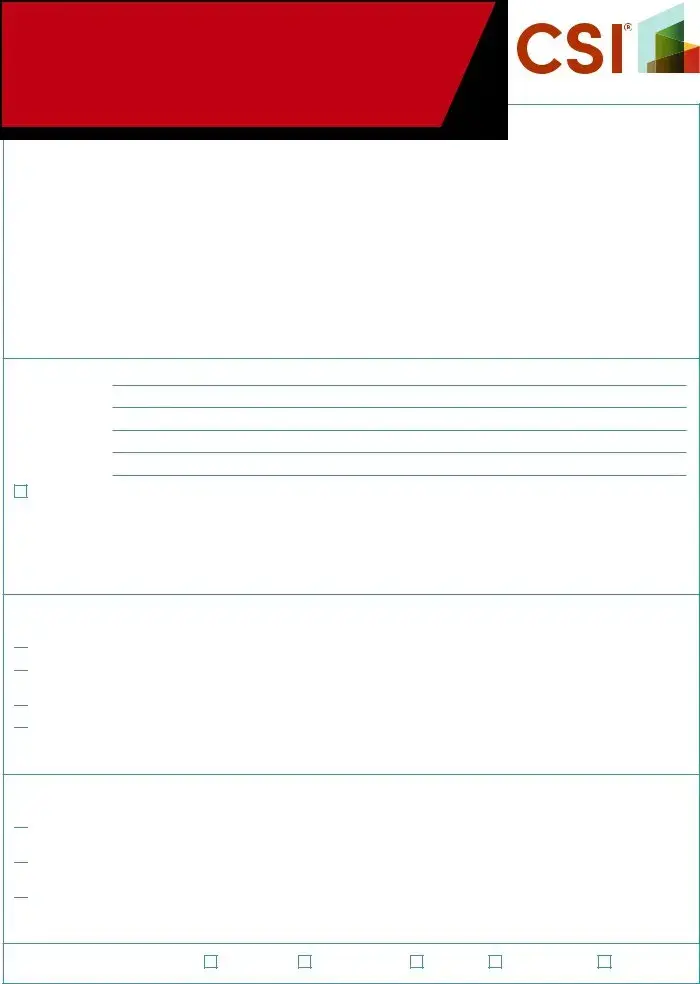
SUBSTITUTION REQUEST
(After the Bidding/Negotiating Phase—
Continued)
The Undersigned certifies:
·Proposed substitution has been fully investigated and determined to be equal or superior in all respects to specified product.
·Same warranty will be furnished for proposed substitution as for specified product.
·Same maintenance service and source of replacement parts, as applicable, is available.
·Proposed substitution will have no adverse effect on other trades and will not affect or delay progress schedule.
·Cost data as stated above is complete. Claims for additional costs related to accepted substitution which may subsequently become apparent are to be waived.
·Proposed substitution does not affect dimensions and functional clearances.
·Payment will be made for changes to building design, including A/E design, detailing, and construction costs caused by the substitution.
·Coordination, installation, and changes in the Work as necessary for accepted substitution will be complete in all respects.
SUBMITTED BY:
SIGNED BY:
FIRM:
ADDRESS:
TELEPHONE:
Attachments
A/E’s REVIEW AND RECOMMENDATION:
Approve
Approve Substitution as
Reject
Substitution Request received too
SIGNED BY: |
DATE: |
OWNER’S REVIEW AND ACTION:
Substitution
Substitution approved as
Substitution
SIGNED BY: |
DATE: |
ADDITIONAL COMMENTS:
Contractor
Subcontractor
Supplier
Manufacturer
A/E
Page |
|
of |
|
CSI Form 13.1A (April 2022 version) |
|
|
© 2022 The Construction Specifications Institute (CSI)
| Fact Name | Description |
|---|---|
| Purpose of the Form | The CSI 13 1A form is used to request substitutions after the bidding or negotiating phase of a construction project. |
| Required Attachments | Point-by-point comparative data must be attached to the form, as required by the Architect/Engineer (A/E). |
| Impact on Contract | The proposed substitution may affect the contract time and savings to the owner, which must be clearly indicated on the form. |
| Governing Law | This form is governed by the laws applicable in the state where the project is located, which may vary by jurisdiction. |
Filling out the Csi 13 1A form is a straightforward process that requires careful attention to detail. This form is essential for submitting a substitution request after the bidding or negotiating phase of a project. Once the form is completed, it will be submitted to the appropriate parties for review and consideration.
What is the purpose of the CSI 13 1A form?
The CSI 13 1A form serves as a formal request for substitution after the bidding or negotiating phase of a construction project. It allows contractors to propose alternative products or materials that differ from what was originally specified in the contract documents. This form is essential for ensuring that any changes are documented and approved by the architect or engineer (A/E), thereby maintaining clear communication and project integrity.
What information is required on the CSI 13 1A form?
To complete the CSI 13 1A form, several key pieces of information must be included. This includes the project name, substitution request number, and details about the proposed substitution, such as the manufacturer, trade name, and model number. Additionally, the form requires a description of the differences between the proposed substitution and the originally specified product. It is also necessary to provide a reason for not using the specified item, along with any supporting data, such as drawings or product data. This comprehensive information helps facilitate the review process by the A/E.
How does a proposed substitution affect the project timeline?
When submitting a substitution request, it is important to indicate whether the proposed substitution will change the contract time. The form includes a section where the contractor can specify if accepting the substitution will add or deduct days from the project timeline. This clarity helps all parties involved understand the potential impact on the schedule and allows for better planning and coordination throughout the project.
What types of supporting data should be attached to the form?
Supporting data is crucial for the review of a substitution request. The CSI 13 1A form allows for various types of documentation to be attached, including drawings, product data sheets, samples, test results, and reports. This information provides the A/E with a thorough understanding of the proposed substitution, allowing for an informed decision regarding its acceptance. Including comprehensive supporting data can significantly enhance the chances of approval.
What happens after the CSI 13 1A form is submitted?
Once the CSI 13 1A form is submitted, the architect or engineer will review the request and the accompanying documentation. They may approve the substitution, request additional information, or deny the request based on the merits of the proposal. Communication regarding the decision will typically be sent to the contractor, and any approved substitutions will be documented in the project records. This process ensures that all changes are tracked and that the project remains aligned with its goals and specifications.
When filling out the Csi 13 1A form, individuals often make several common mistakes that can lead to delays or complications in the substitution request process. Below is a list of nine frequent errors:
Incomplete Information: Failing to fill in all required fields can result in the form being returned. Ensure that every section, such as the project details and substitution specifics, is fully completed.
Missing Comparative Data: Not attaching the required point-by-point comparative data can lead to immediate rejection. This data is essential for the Architect/Engineer (A/E) to evaluate the proposed substitution effectively.
Incorrect Manufacturer Information: Providing inaccurate details about the manufacturer, including the address and phone number, can cause communication issues. Double-check this information before submission.
Neglecting to Explain Changes: If the proposed substitution affects other parts of the work, failing to explain these changes can create confusion. Always provide a clear explanation if applicable.
Not Specifying Savings: Omitting the potential savings to the owner can weaken the case for the substitution. Clearly state any financial benefits associated with the proposed change.
Ignoring Installation History: Not providing the installation history of the proposed substitution can lead to questions about its reliability. Include details about the age and performance of the product.
Failure to Address Contract Time Changes: If the substitution affects the contract time, neglecting to indicate whether it adds or deducts days can lead to misunderstandings. Be explicit about any changes to the timeline.
Not Including Supporting Data: Forgetting to attach supporting documents, such as drawings or product data, can hinder the evaluation process. Always ensure that all relevant materials are included.
Submitting Late: Timing can be critical. Late submissions may not be considered, so be aware of deadlines and submit the form promptly.
By being mindful of these common mistakes, individuals can enhance the likelihood of a successful substitution request and streamline the review process.
The Csi 13 1A form is a crucial document used in construction projects to request substitutions for specified materials or products after the bidding phase. Alongside this form, several other documents are often utilized to provide additional information or context. Below is a list of these commonly used forms and documents.
Each of these documents plays a vital role in the construction process, ensuring that all parties are informed and that the project can proceed efficiently. Proper documentation helps to mitigate misunderstandings and fosters a collaborative environment among team members.
The CSI 13 1A form serves a specific purpose in construction projects, focusing on substitution requests after the bidding or negotiating phase. A similar document is the Request for Information (RFI). An RFI is used when contractors need clarification on the project documents. Both documents require clear communication and detailed information to ensure that any changes or requests do not disrupt the project timeline. While the CSI 13 1A emphasizes substitutions for products, the RFI focuses on clarifying design or specification ambiguities.
Another comparable document is the Change Order form. This form is used to document changes to the contract, including modifications in scope, cost, or time. Like the CSI 13 1A, the Change Order requires detailed descriptions and justifications for the changes. Both documents aim to maintain project integrity while allowing for necessary adjustments. However, the Change Order often addresses broader changes, while the CSI 13 1A is more specific to product substitutions.
The Submittal form is also similar in function to the CSI 13 1A. Submittals are documents that contractors provide to show compliance with project specifications. They often include product data, samples, and shop drawings. Like the CSI 13 1A, submittals require detailed information about the proposed products. Both processes involve the architect's review and approval, ensuring that the selected materials meet the project's standards.
Another related document is the Product Data Sheet. This document provides detailed information about a specific product, including its specifications, performance data, and installation instructions. The Product Data Sheet complements the CSI 13 1A by offering in-depth information on the proposed substitution. Both documents require manufacturers' details and must be reviewed by the architect or engineer before approval.
The Request for Proposal (RFP) is another document that shares similarities with the CSI 13 1A form. An RFP is issued to solicit bids for a project and often outlines specific requirements for products and services. While the RFP is more general and used at the beginning of a project, the CSI 13 1A comes into play later, focusing on specific substitutions. Both documents are essential in ensuring that the project meets the owner's expectations and requirements.
Finally, the Notice of Intent to Claim is akin to the CSI 13 1A in that it addresses potential changes to the contract. This document is used to notify the owner of a contractor's intention to claim additional time or costs due to unforeseen circumstances. While the CSI 13 1A specifically deals with product substitutions, both documents require thorough documentation and justification to support the claims being made. They aim to protect the interests of the parties involved while ensuring transparency in the project’s progress.
When filling out the CSI 13 1A form, it is crucial to approach the task with care and attention to detail. Here are some essential dos and don'ts to keep in mind:
Understanding the CSi 13 1A form is essential for anyone involved in construction projects. However, several misconceptions can lead to confusion. Here are eight common misunderstandings about this important document:
By addressing these misconceptions, stakeholders can navigate the substitution process more effectively, ensuring that all parties are on the same page and that the project runs smoothly.
When filling out and utilizing the CSI 13 1A form, several key points should be kept in mind to ensure a smooth process. Below are essential takeaways that can help guide you through the procedure.
By adhering to these takeaways, you can enhance the likelihood of a favorable outcome when submitting a substitution request using the CSI 13 1A form.