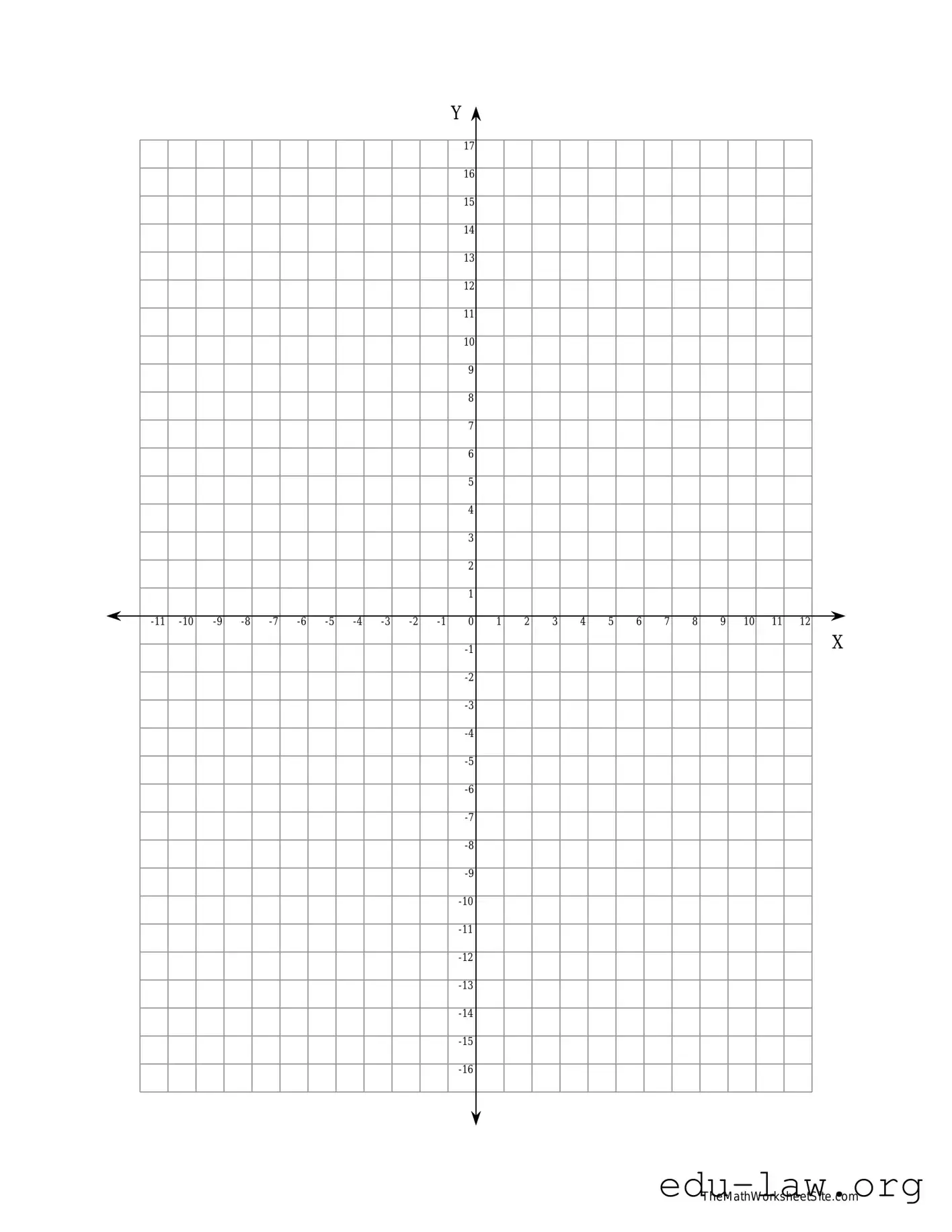
The Coordinate Plane form is a fundamental concept in mathematics that serves as a framework for understanding the relationships between numbers and their graphical representations. This form consists of two perpendicular lines known as axes, which divide the plane into four distinct quadrants. Each point in this plane is identified by an ordered pair of numbers, known as coordinates, which denote its position relative to the axes. The horizontal axis is referred to as the x-axis, while the vertical axis is known as the y-axis. The origin, located at the intersection of these axes, is the point (0,0) and serves as the reference point for all other coordinates. Understanding the Coordinate Plane form is essential for various mathematical applications, including geometry, algebra, and calculus, as it enables individuals to visualize and analyze relationships between different variables. By utilizing this form, one can easily plot points, lines, and shapes, facilitating a deeper comprehension of mathematical concepts and their real-world implications.
|
|
|
|
|
|
|
|
|
|
|
Y |
|
|
|
|
|
|
|
|
|
|
|
|
|
|
|
|
|
|
|
|
|
|
|
|
|
|
|
|
|
|
|
|
|
|
|
|
|
|
|
|
|
|
|
|
|
|
|
|
|
|
|
|
|
|
|
|
|
|
|
|
|
|
|
|
|
|
|
|
|
|
|
17 |
|
|
|
|
|
|
|
|
|
|
|
|
|
|
|
|
|
|
|
|
|
|
|
|
|
|
|
|
|
|
|
|
|
|
|
|
|
|
|
|
|
|
|
|
|
|
|
16 |
|
|
|
|
|
|
|
|
|
|
|
|
|
|
|
|
|
|
|
|
|
|
|
|
|
|
|
|
|
|
|
|
|
|
|
|
|
|
|
|
|
|
|
|
|
|
|
15 |
|
|
|
|
|
|
|
|
|
|
|
|
|
|
|
|
|
|
|
|
|
|
|
|
|
|
|
|
|
|
|
|
|
|
|
|
|
|
|
|
|
|
|
|
|
|
|
14 |
|
|
|
|
|
|
|
|
|
|
|
|
|
|
|
|
|
|
|
|
|
|
|
|
|
|
|
|
|
|
|
|
|
|
|
|
|
|
|
|
|
|
|
|
|
|
|
13 |
|
|
|
|
|
|
|
|
|
|
|
|
|
|
|
|
|
|
|
|
|
|
|
|
|
|
|
|
|
|
|
|
|
|
|
|
|
|
|
|
|
|
|
|
|
|
|
12 |
|
|
|
|
|
|
|
|
|
|
|
|
|
|
|
|
|
|
|
|
|
|
|
|
|
|
|
|
|
|
|
|
|
|
|
|
|
|
|
|
|
|
|
|
|
|
|
11 |
|
|
|
|
|
|
|
|
|
|
|
|
|
|
|
|
|
|
|
|
|
|
|
|
|
|
|
|
|
|
|
|
|
|
|
|
|
|
|
|
|
|
|
|
|
|
|
10 |
|
|
|
|
|
|
|
|
|
|
|
|
|
|
|
|
|
|
|
|
|
|
|
|
|
|
|
|
|
|
|
|
|
|
|
|
|
|
|
|
|
|
|
|
|
|
|
9 |
|
|
|
|
|
|
|
|
|
|
|
|
|
|
|
|
|
|
|
|
|
|
|
|
|
|
|
|
|
|
|
|
|
|
|
|
|
|
|
|
|
|
|
|
|
|
|
8 |
|
|
|
|
|
|
|
|
|
|
|
|
|
|
|
|
|
|
|
|
|
|
|
|
|
|
|
|
|
|
|
|
|
|
|
|
|
|
|
|
|
|
|
|
|
|
|
7 |
|
|
|
|
|
|
|
|
|
|
|
|
|
|
|
|
|
|
|
|
|
|
|
|
|
|
|
|
|
|
|
|
|
|
|
|
|
|
|
|
|
|
|
|
|
|
|
6 |
|
|
|
|
|
|
|
|
|
|
|
|
|
|
|
|
|
|
|
|
|
|
|
|
|
|
|
|
|
|
|
|
|
|
|
|
|
|
|
|
|
|
|
|
|
|
|
5 |
|
|
|
|
|
|
|
|
|
|
|
|
|
|
|
|
|
|
|
|
|
|
|
|
|
|
|
|
|
|
|
|
|
|
|
|
|
|
|
|
|
|
|
|
|
|
|
4 |
|
|
|
|
|
|
|
|
|
|
|
|
|
|
|
|
|
|
|
|
|
|
|
|
|
|
|
|
|
|
|
|
|
|
|
|
|
|
|
|
|
|
|
|
|
|
|
3 |
|
|
|
|
|
|
|
|
|
|
|
|
|
|
|
|
|
|
|
|
|
|
|
|
|
|
|
|
|
|
|
|
|
|
|
|
|
|
|
|
|
|
|
|
|
|
|
2 |
|
|
|
|
|
|
|
|
|
|
|
|
|
|
|
|
|
|
|
|
|
|
|
|
|
|
|
|
|
|
|
|
|
|
|
|
|
|
|
|
|
|
|
|
|
|
|
1 |
|
|
|
|
|
|
|
|
|
|
|
|
|
|
|
|
|
|
|
|
|
|
|
|
|
|
|
|
|
|
|
|
|
|
|
|
0 |
1 |
2 |
3 |
4 |
5 |
6 |
7 |
8 |
9 |
10 |
11 |
12 |
|||||||||||
|
|
|
|
|
|
|
|
|
|
|
|
|
|
|
|
|
|
|
|
|
|
|
|
|
|
|
|
|
|
|
|
|
|
|
|
|
|
|
|
|
|
|
|
|
|
|
|
|
|
|
|
|
|
|
|
|
|
|
|
|
|
|
|
|
|
|
|
|
|
|
|
|
|
|
|
|
|
|
|
|
|
|
|
|
|
|
|
|
|
|
|
|
|
|
|
|
|
|
|
|
|
|
|
|
|
|
|
|
|
|
|
|
|
|
|
|
|
|
|
|
|
|
|
|
|
|
|
|
|
|
|
|
|
|
|
|
|
|
|
|
|
|
|
|
|
|
|
|
|
|
|
|
|
|
|
|
|
|
|
|
|
|
|
|
|
|
|
|
|
|
|
|
|
|
|
|
|
|
|
|
|
|
|
|
|
|
|
|
|
|
|
|
|
|
|
|
|
|
|
|
|
|
|
|
|
|
|
|
|
|
|
|
|
|
|
|
|
|
|
|
|
|
|
|
|
|
|
|
|
|
|
|
|
|
|
|
|
|
|
|
|
|
|
|
|
|
|
|
|
|
|
|
|
|
|
|
|
|
|
|
|
|
|
|
|
|
|
|
|
|
|
|
|
|
|
|
|
|
|
|
|
|
|
|
|
|
|
|
|
|
|
|
|
|
|
|
|
|
|
|
|
|
|
|
|
|
|
|
|
|
|
|
|
|
|
|
|
|
|
|
|
|
|
|
|
|
|
|
|
|
|
|
|
|
|
|
|
|
|
|
|
|
|
|
|
|
|
|
|
|
|
|
|
|
|
|
|
|
|
|
|
|
|
|
|
|
|
|
|
|
|
|
|
|
|
|
|
|
|
|
|
|
|
|
|
|
|
|
|
|
|
|
|
|
|
|
|
|
|
|
|
|
|
|
|
|
|
|
|
|
|
|
|
|
|
|
|
|
|
|
|
|
|
|
|
|
|
|
|
|
|
|
|
|
|
|
|
|
|
|
|
|
|
|
|
|
|
|
|
|
|
|
|
|
|
|
|
|
|
|
|
|
|
|
|
|
|
|
|
|
|
|
|
|
|
|
|
|
|
|
|
|
|
|
|
|
|
|
|
|
|
|
|
|
|
|
|
|
|
|
|
|
|
|
|
|
|
|
|
|
|
|
|
|
|
|
|
|
|
|
|
|
|
|
|
|
|
|
|
|
|
|
|
|
|
|
|
|
|
|
|
|
|
|
|
|
|
|
|
|
|
|
|
|
|
|
|
|
|
|
|
|
|
|
|
|
|
|
|
|
|
|
|
|
|
|
|
|
|
|
|
|
|
|
|
|
|
|
|
|
|
|
|
|
|
|
|
|
|
|
|
|
|
|
|
|
|
|
|
|
|
|
|
|
|
|
|
|
|
|
|
|
|
|
|
|
|
|
|
|
|
|
|
|
|
|
|
|
|
|
|
|
|
|
|
|
|
|
|
|
|
|
|
|
|
|
|
|
|
|
|
|
|
|
|
|
|
|
|
|
|
|
|
|
|
|
|
|
|
|
|
|
|
|
|
|
|
|
|
|
|
|
|
|
|
|
|
|
|
|
|
|
|
|
|
|
|
|
|
|
|
|
|
|
|
|
|
|
|
|
|
|
|
|
|
|
|
|
|
|
|
|
|
|
|
|
|
|
|
|
|
|
|
|
|
|
|
|
|
|
|
|
|
|
|
|
|
|
|
|
|
|
|
|
|
|
|
|
|
|
|
|
|
|
|
|
|
|
|
|
|
|
|
|
|
|
|
|
|
|
|
|
|
|
|
|
|
|
|
|
|
|
|
|
|
|
|
|
|
|
|
|
|
|
|
X
TheMathWorksheetSite.com
| Fact Name | Description |
|---|---|
| Definition | The Coordinate Plane form is a two-dimensional space defined by a horizontal axis (x-axis) and a vertical axis (y-axis). |
| Quadrants | The plane is divided into four quadrants, each representing different combinations of positive and negative values for x and y. |
| Origin | The point where the x-axis and y-axis intersect is called the origin, denoted as (0, 0). |
| Coordinates | Each point on the plane is represented by an ordered pair (x, y), indicating its position relative to the axes. |
| Graphing | Graphing equations on the coordinate plane allows for visual representation of mathematical relationships. |
| Slope | The slope of a line in the coordinate plane indicates its steepness and direction, calculated as the change in y over the change in x. |
| Linear Equations | Linear equations can be expressed in slope-intercept form (y = mx + b), where m is the slope and b is the y-intercept. |
| Distance Formula | The distance between two points (x1, y1) and (x2, y2) is calculated using the formula: √((x2 - x1)² + (y2 - y1)²). |
| Governing Laws | State-specific forms may be governed by local educational standards or mathematical guidelines, varying by jurisdiction. |
| Applications | The Coordinate Plane is widely used in various fields such as physics, engineering, and computer graphics for modeling and analysis. |
Filling out the Coordinate Plane form is a straightforward process. Once completed, this form will help in organizing and visualizing data points on a coordinate grid. Follow the steps below to ensure accuracy and completeness.
What is a coordinate plane?
A coordinate plane is a two-dimensional surface where points are defined by a pair of numbers, known as coordinates. These coordinates indicate the position of a point in relation to two intersecting lines, called axes. The horizontal line is called the x-axis, and the vertical line is called the y-axis. Together, they create four quadrants that help in locating points accurately.
How do I plot a point on the coordinate plane?
To plot a point, you need its coordinates, usually written as (x, y). Start at the origin, which is the point (0, 0). Move along the x-axis to the x-coordinate, then move vertically to the y-coordinate. Place a dot where these two movements intersect. For example, to plot the point (3, 2), move three units to the right and two units up from the origin.
What are the four quadrants of the coordinate plane?
The coordinate plane is divided into four quadrants. The first quadrant (I) is located in the upper right section, where both x and y coordinates are positive. The second quadrant (II) is in the upper left, where x is negative and y is positive. The third quadrant (III) is in the lower left, where both coordinates are negative. Finally, the fourth quadrant (IV) is in the lower right, where x is positive and y is negative.
What is the significance of the origin in the coordinate plane?
The origin is the point where the x-axis and y-axis intersect, represented by the coordinates (0, 0). It serves as the starting point for measuring distances in the coordinate plane. Understanding the origin helps in visualizing and plotting other points, as it provides a reference point for both positive and negative values.
How do I find the distance between two points on the coordinate plane?
To find the distance between two points, you can use the distance formula. If you have two points, (x1, y1) and (x2, y2), the formula is: distance = √[(x2 - x1)² + (y2 - y1)²]. This formula calculates the straight-line distance between the two points. Just plug in the coordinates, perform the calculations, and you will have the distance.
Can I use the coordinate plane for graphing equations?
Yes, the coordinate plane is an essential tool for graphing equations. By plotting points that satisfy the equation, you can visualize the relationship between variables. For example, the equation of a line can be graphed by finding points that meet the equation and connecting them. This visual representation helps in understanding the behavior of the equation and its solutions.
When filling out the Coordinate Plane form, individuals often encounter several common mistakes. These errors can lead to confusion and inaccuracies in the representation of data. Below is a list of four frequent mistakes:
Incorrectly labeling axes: Many people forget to label the x-axis and y-axis or mislabel them. This can lead to misunderstandings about the data being represented.
Omitting the origin: The origin (0,0) is a crucial reference point on the coordinate plane. Some users neglect to include it, which can create ambiguity in the plotted points.
Using inconsistent scales: When the scales on the axes are not uniform, it distorts the visual representation. This inconsistency can mislead viewers about the relationships between data points.
Failing to plot points accurately: Errors in plotting points can occur due to misreading coordinates or misplacing points on the graph. This mistake can significantly affect the interpretation of the data.
By being aware of these common mistakes, individuals can improve the accuracy and clarity of their Coordinate Plane forms.
The Coordinate Plane form is a useful tool in various fields, particularly in mathematics and engineering. However, it often works in conjunction with several other forms and documents that facilitate a complete understanding of spatial relationships and data representation. Below is a list of other commonly used documents that complement the Coordinate Plane form.
Understanding these documents can enhance the effectiveness of using the Coordinate Plane form. Each plays a role in conveying information clearly and accurately, making complex data more accessible.
The Coordinate Plane form is similar to the Graph Paper template. Both documents serve as visual aids for plotting points, lines, and shapes. Graph paper consists of a grid made up of horizontal and vertical lines, which helps users accurately represent mathematical functions and geometric figures. The Coordinate Plane form, while also providing a grid, specifically incorporates axes labeled with numerical values, making it easier for individuals to identify coordinates and understand the relationship between different points on the plane.
Another document that shares similarities with the Coordinate Plane form is the Cartesian Coordinate System chart. This chart outlines the principles of the Cartesian system, detailing how to locate points based on their x and y coordinates. The Coordinate Plane form operationalizes these principles by providing a practical space for users to apply them. Both documents emphasize the importance of the axes and the origin, reinforcing the foundational concepts of coordinate geometry.
Lastly, the Graphing Calculator interface has similarities with the Coordinate Plane form. Both tools allow users to input equations and visualize their graphs on a coordinate grid. While the Graphing Calculator automates the plotting process, the Coordinate Plane form provides a manual approach. Each document enables users to analyze mathematical functions and their intersections, fostering a deeper comprehension of algebraic concepts.
When filling out the Coordinate Plane form, it’s important to follow certain guidelines to ensure accuracy and clarity. Here’s a helpful list of what to do and what to avoid:
The coordinate plane is a fundamental concept in mathematics, often used in geometry and algebra. However, several misconceptions can arise when discussing this topic. Below are five common misunderstandings about the coordinate plane, along with explanations to clarify these points.
This statement is true, but it can lead to confusion. While the origin of the coordinate plane is indeed at the point (0, 0), the position of the origin can change in different contexts, such as in transformations or when working with different coordinate systems. It’s essential to recognize that the origin is a fixed reference point for the standard Cartesian plane.
This misconception arises from a misunderstanding of the quadrants. The coordinate plane is divided into four quadrants. While the first quadrant contains only positive coordinates, the other quadrants include negative values. Thus, points can have negative x-coordinates, negative y-coordinates, or both.
Many people mistakenly believe that the order of coordinates can be switched. However, in the Cartesian coordinate system, the standard format is (x, y). The x-coordinate is listed first, indicating the horizontal position, followed by the y-coordinate, which indicates the vertical position.
This is a common error. While it might seem intuitive to add the coordinates of two points, the actual distance requires the use of the distance formula. This formula, derived from the Pythagorean theorem, calculates the straight-line distance between two points by considering both the horizontal and vertical differences.
While many lines drawn on the coordinate plane are straight, this is not a universal rule. Curved lines can also be represented on the coordinate plane, particularly in more advanced mathematics. Functions such as parabolas or circles illustrate that the coordinate plane can accommodate a variety of shapes beyond straight lines.
Here are some important points to keep in mind when filling out and using the Coordinate Plane form: