The CF2R form, officially titled "Certificate of Installation for Prescriptive Residential Alterations That Do Not Require HERS Field Verification," is a crucial document for homeowners and contractors in California. This form simplifies the process of documenting compliance with the state's energy efficiency standards for specific residential alterations. It is particularly relevant for projects that involve modifications to space conditioning systems, insulation, roofing, and ventilation, provided these alterations do not necessitate HERS (Home Energy Rating System) verification. The CF2R form outlines the necessary information, including project details, enforcement agency, and permit numbers, while also specifying the requirements for insulation, roofing products, and ventilation systems. Notably, certain exemptions from HERS verification apply, such as when only minor duct modifications occur or when existing systems have previously passed inspections. By using the CF2R form, contractors can ensure that all mandatory measures are met and that the alterations comply with California's Building Energy Efficiency Standards. This document serves as a critical tool in promoting energy-efficient practices while streamlining the compliance process for residential projects.
STATE OF CALIFORNIA
Prescriptive Residential Alterations That Do Not Require HERS Field Verification
|
CALIFORNIA ENERGY COMMISSION |
||
CERTIFICATE OF INSTALLATION |
|
|
|
|
|
|
|
Prescriptive Residential Alterations That Do Not Require HERS Field Verification |
|
(Page 1 of 10) |
|
|
|
|
|
Project Name: |
Enforcement Agency: |
|
Permit Number: |
|
|
|
|
Dwelling Address: |
City |
|
Zip Code |
|
|
|
|
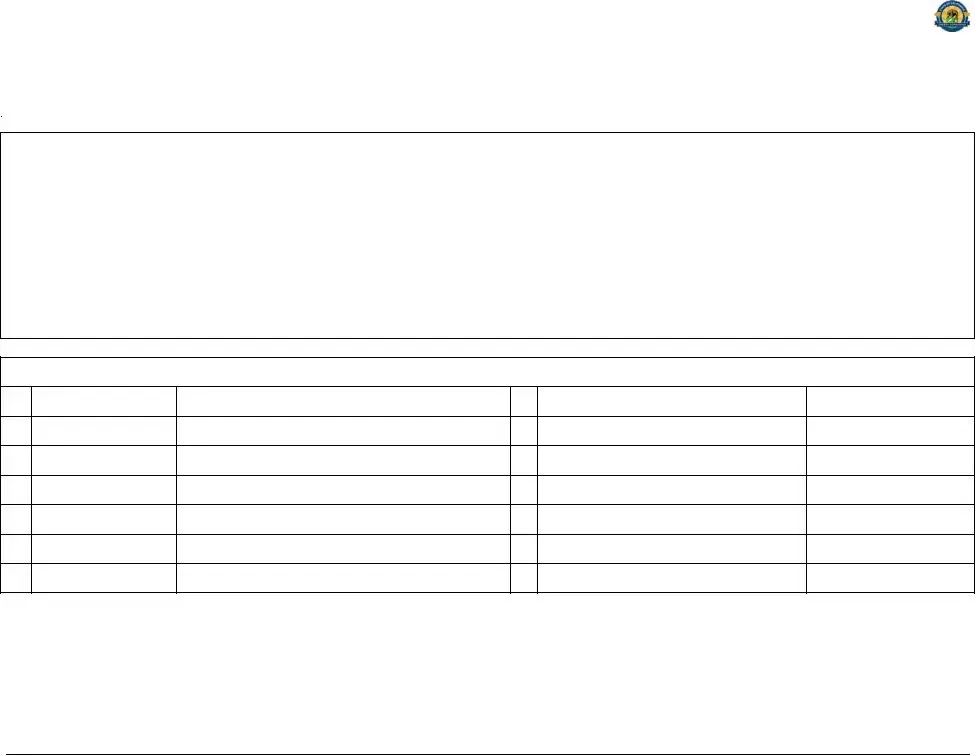
This compliance document is only applicable to simple alterations that do not require HERS verification for compliance. When HERS verification is required, a
Alterations to Space Conditioning Systems that are exempt from HERS verification requirements may use the
Alterations that utilize close Cell Spray Polyurethane Foam (ccSPF) with a density of 1.5 to less than 2.5 pounds per cubic foot having an
If more than one person has responsibility for installation of the items on this certificate, each person shall prepare and sign a certificate applicable to the portion of construction for which they are responsible. Alternatively, the person with chief responsibility for construction shall prepare and sign this certificate for the entire construction. All applicable Mandatory Measures shall be met. Temporary labels shall not be removed before verification by the building inspector.
A. General Information
01
Project Name:
02
Date Prepared:
03
Project Location:
04
Building Front Orientation (deg):
05
CA City:
06
Number of Dwelling Units with Additions:
07
Zip Code:
08
Fuel Type:
09
Climate Zone:
10
Total Conditioned Floor Area (ft2) (Addition):
11
Building Type:
12
Slab Area (ft2):
13
Project Scope:
CA Building Energy Efficiency Standards - 2019 Residential Compliance |
January 2019 |
STATE OF CALIFORNIA
Prescriptive Residential Alterations That Do Not Require HERS Field Verification
|
CALIFORNIA ENERGY COMMISSION |
||
CERTIFICATE OF INSTALLATION |
|
|
|
|
|
|
|
Prescriptive Residential Alterations That Do Not Require HERS Field Verification |
|
(Page 2 of 10) |
|
|
|
|
|
Project Name: |
Enforcement Agency: |
|
Permit Number: |
|
|
|
|
Dwelling Address: |
City |
|
Zip Code |
|
|
|
|
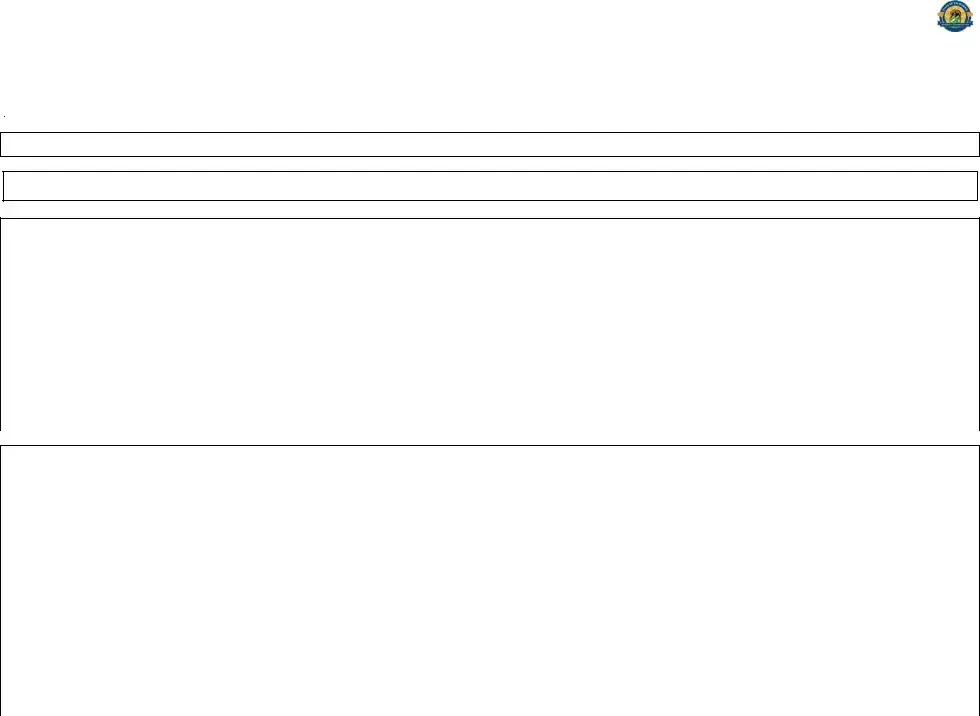
Insulation
The altered components shall comply with all applicable requirements in The Energy Efficiency Standards Sections 110.7, 110.8, 150.0; All joints, penetrations and other openings in the building envelope that are potential sources of air leakage shall be caulked, gasketed, weather stripped, or otherwise sealed to limit infiltration and exhilaration.
B. Roof/Ceiling Insulation
01 |
02 |
03 |
04 |
05 |
06 |
07 |
08 |
09 |
10 |
|
|
|
|
|
|
|
|
|
|
|
|
|
|
Framing |
Framing Size & |
Insulation |
|
Cavity Insulation |
Insulation |
Above Deck |
Below Deck |
|
I.D. |
Manufacturer & Brand |
ESR Number |
Depth |
Insulation |
Insulation |
|||||
Material |
Spacing |
Type |
||||||||
|
|
|
(inches) |
|||||||
|
|
|
|
|
|
|
||||
|
|
|
|
|
|
|
|
|
|
|
|
|
|
|
|
|
|
|
|
|
|
|
|
|
|
|
|
|
|
|
|
|
|
|
|
|
|
|
|
|
|
|
C. Wall Insulation
01 |
02 |
03 |
04 |
05 |
06 |
07 |
08 |
09 |
10 |
|
|
|
|
|
|
|
|
|
|
|
|
|
|
|
|
|
Framing |
Framing Size & |
Insulation |
|
Cavity Insulation |
Insulation |
Exterior Wall |
Interior Wall |
|
|
I.D. |
Manufacturer & Brand |
ESR Number |
Depth |
Insulation |
Insulation |
|||||
|
Material |
Spacing |
Type |
||||||||
|
|
|
|
(inches) |
|||||||
|
|
|
|
|
|
|
|
||||
|
|
|
|
|
|
|
|
|
|
|
|
|
|
|
|
|
|
|
|
|
|
|
|
|
|
|
|
|
|
|
|
|
|
|
|
|
|
|
|
|
|
|
|
|
|
|
|
|
|
|
|
|
|
|
|
|
|
|
|
|
|
|
|
|
|
|
|
|
|
|
|
|
|
|
|
|
|
|
|
|
|
|
|
CA Building Energy Efficiency Standards - 2019 Residential Compliance |
January 2019 |
STATE OF CALIFORNIA
Prescriptive Residential Alterations That Do Not Require HERS Field Verification
|
CALIFORNIA ENERGY COMMISSION |
||
CERTIFICATE OF INSTALLATION |
|
|
|
|
|
|
|
Prescriptive Residential Alterations That Do Not Require HERS Field Verification |
|
(Page 3 of 10) |
|
|
|
|
|
Project Name: |
Enforcement Agency: |
|
Permit Number: |
|
|
|
|
Dwelling Address: |
City |
|
Zip Code |
|
|
|
|
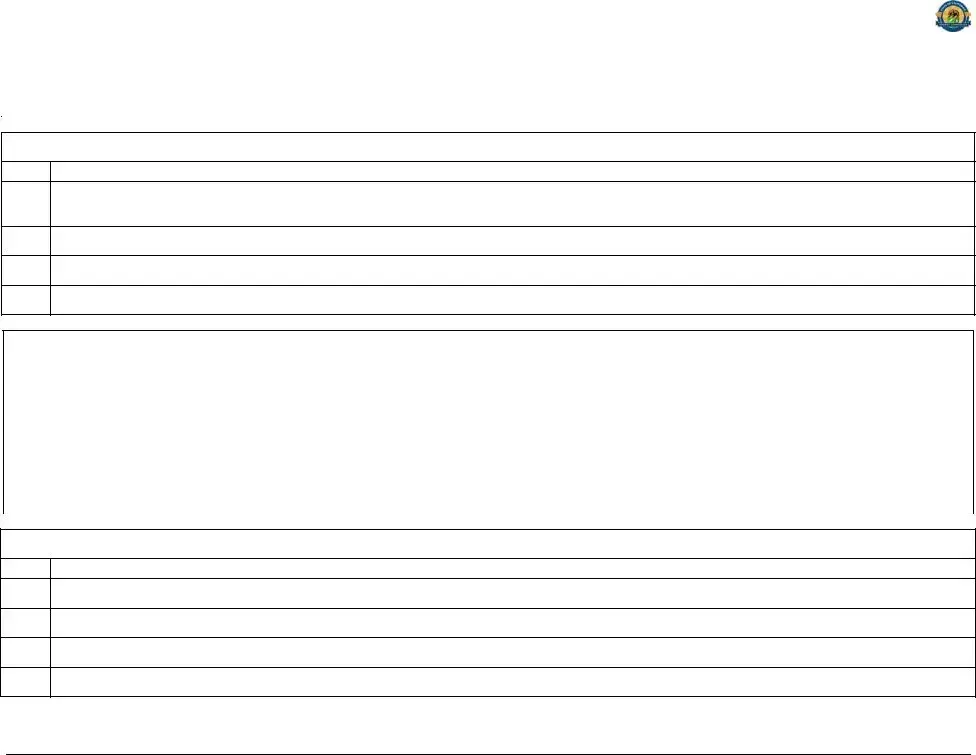
D. Mass Insulation
01
I.D.
02 |
03 |
04 |
05 |
06 |
07 |
08 |
|
|
|
Mass Thickness |
Furring Strip Type/ |
|
Exterior Insulation |
Interior Insulation |
|
Manufacturer & Brand |
Location |
Depth |
Insulation Type |
||||
(inches) |
|||||||
|
|
(inches) |
|
||||
|
|
|
|
|
|
||
|
|
|
|
|
|
|
E. Raised Floor Insulation
01 |
02 |
03 |
04 |
05 |
06 |
07 |
08 |
09 |
10 |
|
|
|
|
|
|
|
|
|
|
|
|
|
|
Framing |
Framing Size & |
Insulation |
|
Cavity |
Insulation |
Exterior Floor |
Interior Floor |
|
I.D. |
Manufacturer & Brand |
ESR Number |
Insulation |
Depth |
Insulation |
Insulation |
||||
Material |
Spacing |
Type |
||||||||
|
|
|
(inches) |
|||||||
|
|
|
|
|
|
|||||
|
|
|
|
|
|
|
|
|
|
|
|
|
|
|
|
|
|
|
|
|
|
|
|
|
|
|
|
|
|
|
|
F. Slab Floor/Perimeter Insulation
01
I.D.
02 |
03 |
04 |
05 |
06 |
07 |
08 |
|
Manufacturer & Brand |
Floor Type |
Insulation Type |
Insulation |
Insulation |
Vertical Insulation |
Horizontal Insulation |
|
Depth (inches) |
Length (inches) |
Length (feet) |
|||||
|
|
|
|||||
|
|
|
|
|
|
|
CA Building Energy Efficiency Standards - 2019 Residential Compliance |
January 2019 |
STATE OF CALIFORNIA
Prescriptive Residential Alterations That Do Not Require HERS Field Verification
|
CALIFORNIA ENERGY COMMISSION |
||
CERTIFICATE OF INSTALLATION |
|
|
|
|
|
|
|
Prescriptive Residential Alterations That Do Not Require HERS Field Verification |
|
(Page 4 of 10) |
|
|
|
|
|
Project Name: |
Enforcement Agency: |
|
Permit Number: |
|
|
|
|
Dwelling Address: |
City |
|
Zip Code |
|
|
|
|
Roofing and Radiant Barrier
G. Radiant Barrier
01Brand Name and Product Number
02Installation Type
03
Total Attic Area (ft2)
H. Required Vent Area
01
Combined NFA of installed upper and lower vents (in2)
02
Minimum required combined NFA of upper and lower vents (in2)
03
NFA of installed upper vents (in2)
04
Minimum required NFA of upper vents (in2)
I. Roofing Products (Cool Roof) Installation Information
01 |
02 |
03 |
04 |
05 |
06 |
07 |
08 |
|
|
|
|
|
|
|
|
|
|
|
|
|
|
CRRC Product ID |
|
CRRC Listed Aged |
Initial Solar |
Aged Solar |
|
|
|
|
Roof Pitch |
Number |
Product Type |
Solar Reflectance |
Reflectance |
Reflectance |
Thermal Emittance |
SRI |
|
|
|
|
|
|
|
|
|
|
|
|
|
|
|
|
|
|
|
|
|
|
|
|
|
|
|
|
|
|
|
|
|
|
|
|
|
|
|
|
|
|
|
|
|
|
|
|
|
|
|
CA Building Energy Efficiency Standards - 2019 Residential Compliance |
January 2019 |
STATE OF CALIFORNIA
Prescriptive Residential Alterations That Do Not Require HERS Field Verification
|
CALIFORNIA ENERGY COMMISSION |
|||
CERTIFICATE OF INSTALLATION |
|
|
||
|
|
|
|
|
Prescriptive Residential Alterations That Do Not Require HERS Field Verification |
|
(Page 5 of 10) |
||
|
|
|
|
|
Project Name: |
Enforcement Agency: |
|
Permit Number: |
|
|
|
|
|
|
Dwelling Address: |
City |
|
Zip Code |
|
|
|
|
|
|
|
|
|
|
|
J. Radiant Barrier and Attic Ventilation – Additional Requirements |
|
|
|
|
|
|
|
|
|
Radiant Barrier |
|
|
|
|
|
|
|
|
|
01 |
Radiant barrier must be installed on all vertical surfaces in the attic including gable ends. |
|
|
|
|
|
|
|
|
02 |
The emittance of the radiant barrier shall be less than or equal to 0.05 as tested with ASTM C1371, or E408. |
|
|
|
|
|
|||
03 |
The product shall meet all requirements for California certified insulation materials [radiant barriers] of the Department of Consumer Affairs, Bureau of Home Furnishings and Thermal |
|||
Insulation, as specified by CCR, Title 24, Part 12, Chapter |
|
|
||
|
|
|
||
04 |
When determining the Total Attic Area, the area over unconditioned spaces such as the garage is included when the attic spaces are connected. |
|
|
|
|
|
|
|
|
Lower Vents
05
Lower vents are within one foot of the eave.
Upper Vents
06
Upper vents are within three feet of the ridge
Vent Area
07
The NFA of upper vents must be within required NFA range of upper vents
Note: per Exception to R806.2 of the CBC Title 24, Part2, Vol.2.5, if the net free ventilating area is less than 1:150, then the upper ventilation must be at least 40% and no more than 50%. Part 2 contains additional requirements that must be met if the area is less than 1:150.
The responsible person’s signature on this compliance document affirms that all applicable requirements in this table have been met.
K. Roofing Products (Cool Roof) Additional Requirements
01Any roof area covered by building integrated photovoltaic panels and solar thermal panels are exempt from the above Cool Roof requirements.
02Liquid field applied coatings must comply with installation criteria from section 110.8(i)4.
03 |
Mass roof 25 lb/ft2 or greater: Mass roofs are not required to have a cool roof even if the climate zone specifies minimum performance requirements. |
The responsible person’s signature on this compliance document affirms that all applicable requirements in this table have been met.
CA Building Energy Efficiency Standards - 2019 Residential Compliance |
January 2019 |
STATE OF CALIFORNIA
Prescriptive Residential Alterations That Do Not Require HERS Field Verification
|
CALIFORNIA ENERGY COMMISSION |
||
CERTIFICATE OF INSTALLATION |
|
|
|
|
|
|
|
Prescriptive Residential Alterations That Do Not Require HERS Field Verification |
|
(Page 6 of 10) |
|
|
|
|
|
Project Name: |
Enforcement Agency: |
|
Permit Number: |
|
|
|
|
Dwelling Address: |
City |
|
Zip Code |
|
|
|
|
Fenestration
L. Fenestration/Glazing
01 |
02 |
03 |
04 |
05 |
06 |
07 |
08 |
09 |
10 |
11 |
12 |
|
|
|
|
|
|
|
|
|
|
Exterior Shading |
|
|
Manufacturer/ |
Fenestration |
|
|
|
|
|
|
Fenestration |
Devices |
|
Tag/ID |
Brand |
Area (ft2) |
Orientation |
Chromogenic |
Source |
SHGC |
Source |
Type |
(Describe) |
Comments/Special Features |
|
|
|
|
|
|
|
|
|
|
|
|
|
|
|
|
|
|
|
|
|
|
|
|
|
|
|
|
|
|
|
|
|
|
|
|
|
|
|
|
|
|
|
|
|
|
|
|
|
|
|
|
|
|
|
|
|
|
|
|
|
|
|
|
|
|
|
|
|
|
|
|
|
|
|
|
|
|
|
|
|
|
|
|
|
|
|
|
|
|
|
|
|
|
|
|
|
|
|
|
|
|
|
|
|
|
|
|
|
|
|
|
|
|
|
|
|
|
|
|
|
|
|
|
|
|
|
|
|
|
|
|
|
M. Fenestration/Glazing – Additional Requirements
01For existing buildings the
02Temporary labels should not be removed until verified by the building inspector.
03 |
The fenestration product manufacturer’s installation specifications shall be followed when installing these products. The space between the fenestration product and |
|
rough opening shall be completely filled with insulation. If batt insulation is used, it is cut to size and placed properly around the fenestration product. |
||
|
The responsible person’s signature on this compliance document affirms that all applicable requirements in this table have been met.
CA Building Energy Efficiency Standards - 2019 Residential Compliance |
January 2019 |
STATE OF CALIFORNIA
Prescriptive Residential Alterations That Do Not Require HERS Field Verification
|
CALIFORNIA ENERGY COMMISSION |
||
CERTIFICATE OF INSTALLATION |
|
|
|
|
|
|
|
Prescriptive Residential Alterations That Do Not Require HERS Field Verification |
|
(Page 7 of 10) |
|
|
|
|
|
Project Name: |
Enforcement Agency: |
|
Permit Number: |
|
|
|
|
Dwelling Address: |
City |
|
Zip Code |
|
|
|
|
Mechanical and Plumbing
N. Space Conditioning (SC) Systems – Heating/Cooling (Section 150.2(b))
Alterations to Space Conditioning Systems shall be exempt from HERS verification requirements as prerequisite for use of the
a: space conditioning system was not altered;
b: less than 40 ft of ducts were added or replaced;
c: (exempt from duct leakage testing) if: the existing duct system was insulated with asbestos;
d: (exempt from duct leakage testing) if: the existing duct system was previously tested and passed by a HERS Rater.
01 |
02 |
03 |
|
|
04 |
|
|
|
|
|
|||
Dwelling Unit Name |
SC System Identification or Name |
SC System Location or Area Served |
Exemption from HERS Verification |
|||
|
|
|
|
|
|
|
|
|
|
a |
b |
c |
d |
|
|
|
|
|
|
|
|
|
|
a |
b |
c |
d |
|
|
|
|
|
|
|
|
|
|
a |
b |
c |
d |
|
|
|
|
|
|
|
|
|
|
a |
b |
c |
d |
|
|
|
|
|
|
|
|
|
|
a |
b |
c |
d |
|
|
|
|
|
|
|
|
|
|
a |
b |
c |
d |
|
|
|
|
|
|
|
|
|
|
a |
b |
c |
d |
|
|
|
|
|
|
|
|
|
|
a |
b |
c |
d |
|
|
|
|
|
|
|
|
|
|
a |
b |
c |
d |
|
|
|
|
|
|
|
|
|
|
a |
b |
c |
d |
|
|
|
|
|
|
|
|
|
|
a |
b |
c |
d |
|
|
|
|
|
|
|
|
|
|
a |
b |
c |
d |
|
|
|
|
|
|
|
|
|
|
a |
b |
c |
d |
|
|
|
|
|
|
|
CA Building Energy Efficiency Standards - 2019 Residential Compliance |
January 2019 |

STATE OF CALIFORNIA
Prescriptive Residential Alterations That Do Not Require HERS Field Verification
|
|
|
|
|
|
|
|
|
|
|
CALIFORNIA ENERGY COMMISSION |
|
|
|||||||
|
|
CERTIFICATE OF INSTALLATION |
|
|
|
|
|
|
|
|
|
|
|
|
||||||
|
|
|
|
|
|
|
|
|
|
|
|
|
|
|
|
|
|
|
|
|
|
|
Prescriptive Residential Alterations That Do Not Require HERS Field Verification |
|
|
|
|
|
|
|
(Page 8 of 10) |
||||||||||
|
|
|
|
|
|
|
|
|
|
|
|
|
|
|
|
|
|
|
|
|
|
|
Project Name: |
|
|
|
|
|
|
Enforcement Agency: |
|
|
|
|
Permit Number: |
|
|
|
|
||
|
|
|
|
|
|
|
|
|
|
|
|
|
|
|
|
|
|
|
|
|
|
|
Dwelling Address: |
|
|
|
|
|
|
City |
|
|
|
|
|
Zip Code |
|
|
|
|
|
|
|
|
|
|
|
|
|
|
|
|
|
|
|
|
|
|
|
|
|
|
|
|
|
|
|
|
|
|
|
|
|
|
|
|
|
|
|
|
|
|
|
|
|
O. Installed Water Heating Systems (Section 150.2(b)1G) |
|
|
|
|
|
|
|
|
|
|
|
|
|
|
|
|||
|
|
|
|
|
|
|
|
|
|
|
|
|
|
|
|
|
|
|
|
|
|
01 |
02 |
03 |
04 |
05 |
06 |
|
07 |
08 |
09 |
10 |
11 |
12 |
13 |
|
14 |
|
15 |
|
|
|
|
|
|
|
|
|
|
|
Water |
|
|
|
|
|
|
|
|
|
|
|
|
|
|
Water Heating |
|
Water |
|
# of |
|
Heater |
|
|
|
|
|
|
|
|
|
||
|
|
|
|
|
|
|
|
|
|
|
|
|
|
|
|
|
|
|||
|
|
|
Water Heating |
Heating |
Water |
|
|
|
Rated |
Rated |
Heating |
Heating |
|
|
Exterior |
|
Solar |
|||
|
|
|
System |
Water |
|
Storage |
|
|
|
|
||||||||||
|
|
|
|
|
|
|
|
|
|
|
|
|
|
|
|
|
|
|||
|
|
Dwelling Unit |
Identification or |
System Location |
System |
Heater |
Heaters |
|
Volume |
|
Input |
Input |
Efficiency |
Efficiency |
Standby |
|
Insul. |
|
Savings |
|
|
|
|
|
|
|
|
|
|
|
|
|
|
|
|
|
|
||||
|
|
Name |
Name |
or Area Served |
Type |
Type |
in System |
|
(gal) |
Fuel Type |
Type |
Value |
Type |
Value |
Loss (%) |
|
|
Fraction |
||
|
|
|
|
|
|
|
|
|
|
|
|
|
|
|
|
|
|
|
|
|
|
|
|
|
|
|
|
|
|
|
|
|
|
|
|
|
|
|
|
|
|
|
|
|
|
|
|
|
|
|
|
|
|
|
|
|
|
|
|
|
|
|
|
|
|
|
|
|
|
|
|
|
|
|
|
|
|
|
|
|
|
|
|
|
|
|
|
|
|
|
|
|
|
|
|
|
|
|
|
|
|
|
|
|
|
|
|
|
|
|
|
|
|
|
|
|
|
|
|
|
|
|
|
|
|
|
|
|
|
|
|
|
|
|
|
|
|
|
|
|
|
|
|
|
|
|
|
|
|
|
|
|
|
|
|
|
|
|
|
|
|
|
|
|
|
|
|
|
|
|
|
|
|
|
|
|
|
|
|
|
|
|
|
|
|
|
|
|
|
|
|
|
|
|
|
|
|
|
|
|
|
|
|
|
|
|
|
|
|
|
|
|
|
|
|
|
|
|
|
|
|
|
|
|
|
|
|
|
|
|
|
|
|
|
|
|
|
|
|
|
|
|
|
|
|
|
|
|
|
|
|
|
|
|
|
|
|
|
|
|
|
|
|
|
|
|
|
|
|
|
|
|
|
|
|
|
|
|
|
|
|
|
|
|
|
|
|
|
|
|
|
|
|
|
|
|
|
|
|
|
|
|
|
|
|
|
|
|
|
|
|
|
|
|
|
|
|
|
|
|
|
|
|
|
|
|
|
|
|
|
|
|
|
|
|
|
|
|
|
|
|
|
|
|
|
|
|
|
|
|
|
|
|
|
|
|
CA Building Energy Efficiency Standards - 2019 Residential Compliance |
January 2019 |
| Fact Name | Details |
|---|---|
| Governing Law | This form is governed by the California Building Energy Efficiency Standards, specifically Title 24, Part 6 of the California Code of Regulations. |
| Form Purpose | The CF2R form is used for prescriptive residential alterations that do not require HERS (Home Energy Rating System) field verification. |
| Exemptions | Alterations to space conditioning systems may be exempt from HERS verification if certain conditions are met, such as limited duct replacement or prior successful testing. |
| Documentation Requirement | If multiple individuals are responsible for the installation, each must sign a certificate for their respective work, or one person may sign for the entire project. |
| Insulation Compliance | All altered components must meet the insulation requirements outlined in Sections 110.7, 110.8, and 150.0 of the Energy Efficiency Standards. |
| Verification Process | Temporary labels must remain in place until verification by the building inspector is completed. |
| Form Revision Date | The current version of the CF2R form was revised in January 2019. |
After gathering all necessary information, you can proceed to fill out the CF2R form. This form is essential for documenting compliance with California's energy efficiency standards for residential alterations that do not require HERS verification. Ensure that you have all relevant details at hand before starting.
Once you have completed the form, ensure that all required signatures are obtained. This includes the signature of the responsible person for the construction work. After signing, the form must be submitted to the appropriate enforcement agency for review.
What is the CF2R form?
The CF2R form, officially known as the Certificate of Installation for Prescriptive Residential Alterations, is a compliance document used in California. It is specifically designed for alterations that do not require HERS (Home Energy Rating System) field verification. This form ensures that certain energy efficiency standards are met during residential alterations.
When is the CF2R form required?
The CF2R form is necessary when homeowners or contractors make simple alterations to residential properties that fall under specific exemptions from HERS verification. If the alterations do not require HERS verification, this form serves to document compliance with California's energy efficiency standards.
What types of alterations can use the CF2R form?
The CF2R form can be utilized for alterations related to space conditioning systems that meet specific criteria. For instance, if less than 40 feet of ducts are added or replaced, or if the existing duct system has been previously tested and passed, the CF2R form may apply. It is essential to ensure that the alterations comply with all mandatory measures outlined in the California Energy Efficiency Standards.
What information is needed to complete the CF2R form?
To fill out the CF2R form, several key pieces of information are required. This includes the project name, location, permit number, fuel type, climate zone, total conditioned floor area, and various details about insulation and roofing products used in the alteration. Each section must be accurately filled to ensure compliance.
Who is responsible for signing the CF2R form?
If multiple individuals are involved in the installation of the altered components, each person must prepare and sign a certificate for their respective portion of the construction. Alternatively, one person with overall responsibility for the project can sign the form for the entire construction.
What happens if HERS verification is required?
If HERS verification is necessary for the alterations being made, the CF2R form cannot be used. Instead, a CF1R-ALT-01 form must be registered with a HERS Provider Data Registry before proceeding with the alterations. This step ensures that all energy efficiency requirements are properly verified.
Are there any exemptions for duct leakage testing?
Yes, certain exemptions exist for duct leakage testing. For example, if less than 40 feet of ducts are added or replaced, or if the existing duct system was insulated with asbestos, these situations may exempt the project from requiring HERS verification. It is crucial to confirm eligibility for these exemptions before proceeding.
What are the mandatory measures that must be met?
All applicable mandatory measures outlined in the California Energy Efficiency Standards must be adhered to. This includes ensuring that all joints, penetrations, and openings in the building envelope are properly sealed to limit air leakage. Compliance with insulation requirements is also essential.
Can temporary labels be removed before verification?
No, temporary labels must remain in place until verification by the building inspector is complete. This is to ensure that all installations are properly reviewed and meet the necessary compliance standards before any alterations are finalized.
Where can I find more information about the CF2R form?
Additional information about the CF2R form can be found on the California Energy Commission's website. It provides detailed guidelines and resources related to energy efficiency standards and compliance documentation for residential alterations.
Failing to include the Project Name and other essential identification details. Without these, the form may be considered incomplete.
Omitting the Permit Number. This number is crucial for tracking and compliance purposes.
Incorrectly filling out the Dwelling Address. Ensure that the address matches official records to avoid delays.
Neglecting to specify the Fuel Type. This information is vital for energy calculations and compliance.
Not indicating the Climate Zone. This detail affects compliance requirements and energy efficiency standards.
Leaving out the Total Conditioned Floor Area. This measurement is essential for evaluating the impact of alterations.
Using outdated or incorrect Manufacturer & Brand information for insulation materials. Accurate data ensures compliance with standards.
Failing to sign the form. A signature is required to validate the information provided and confirm responsibility.
Not providing the Installation Date. This date is necessary for record-keeping and compliance verification.
Ignoring the requirement for Mandatory Measures. All applicable measures must be met to ensure compliance with energy standards.
The CF2R form is a compliance document used in California for prescriptive residential alterations that do not require HERS (Home Energy Rating System) field verification. Alongside the CF2R form, various other forms and documents may be utilized to ensure compliance with energy efficiency standards. Below is a list of commonly associated documents.
These documents collectively ensure that residential alterations meet California's energy efficiency standards and facilitate the verification process where applicable. Each plays a crucial role in maintaining compliance and promoting energy-efficient practices in residential construction.
The CF1R form is a compliance document that serves as a prerequisite for HERS verification. It is essential when alterations to space conditioning systems are made and HERS verification is required. The CF1R form collects detailed information about the project, including the type of alterations and the specific energy efficiency measures being implemented. This document ensures that the project complies with California's energy efficiency standards before any work begins, thus facilitating a smoother verification process later on.
The CF2R form is closely related to the CF2R-ALT form, which is specifically designed for prescriptive alterations that do not require HERS verification. Like the CF2R, the CF2R-ALT form documents compliance with energy efficiency standards but is tailored for simpler projects. It allows homeowners and contractors to bypass some of the more rigorous verification processes while still ensuring that basic energy efficiency measures are met during alterations.
The CF3R form is another compliance document, used for reporting completed work that requires HERS verification. Once the project is finished, the CF3R form provides evidence that all energy efficiency measures were installed correctly and in compliance with the applicable standards. This form is essential for finalizing the verification process and ensuring that the project meets all necessary energy efficiency requirements.
The HERS Verification Report is a document that provides a detailed analysis of the energy efficiency measures implemented in a home. This report is generated by a certified HERS rater after completing the verification process. Similar to the CF2R form, it serves to confirm compliance with California's energy efficiency standards but focuses on the results of the verification process rather than the initial compliance documentation.
The Energy Compliance Document is a general term that encompasses various forms used to demonstrate compliance with energy efficiency standards. It is similar to the CF2R form in that it collects essential project information and verifies adherence to state regulations. However, this document can apply to a wider range of projects beyond just residential alterations, making it a versatile option for various construction and renovation projects.
The Permit Application is a foundational document that initiates the approval process for construction or renovation projects. While it does not specifically address energy efficiency measures, it often requires applicants to indicate compliance with local and state energy codes. The CF2R form, on the other hand, specifically focuses on energy efficiency compliance, making it a more specialized document within the overall permitting process.
The Building Inspection Report is generated by local building inspectors to confirm that construction work complies with approved plans and local codes. This report can include assessments of energy efficiency measures, similar to what is documented in the CF2R form. However, the Building Inspection Report is broader in scope, covering all aspects of construction rather than focusing solely on energy efficiency compliance.
The Construction Contract is a legal document that outlines the terms and conditions of a construction project. While it does not serve as a compliance document, it often includes clauses that require adherence to local building codes and energy efficiency standards. The CF2R form complements the Construction Contract by providing specific documentation of energy efficiency measures that must be followed during the project.
The Final Inspection Checklist is a tool used by inspectors to ensure that all aspects of a construction project have been completed according to code. This checklist may reference energy efficiency measures similar to those documented in the CF2R form. However, the checklist is more focused on the overall completion of the project, while the CF2R form specifically addresses energy efficiency compliance.
The Energy Efficiency Standards Compliance Checklist is a document used to ensure that all required energy efficiency measures have been implemented in a project. It serves a similar purpose to the CF2R form by outlining specific requirements and verifying compliance. However, the checklist may be used in various contexts beyond just residential alterations, making it a broader tool for assessing energy efficiency compliance.
When filling out the CF2R form, it is important to follow specific guidelines to ensure accuracy and compliance. Here are some things you should and shouldn't do:
Here are some common misconceptions about the CF2R form related to residential alterations in California:
This form is specifically designed for simple alterations that do not require HERS verification, making it applicable to various renovation projects.
Not all alterations require HERS verification. The CF2R form is used when certain conditions are met that exempt the project from this requirement.
This form is limited to prescriptive residential alterations that meet specific criteria. It cannot be used for complex projects or those requiring additional compliance documentation.
If multiple individuals are responsible for different parts of the project, each can prepare and sign a separate certificate. Alternatively, one person can sign for the entire project.
Temporary labels must remain in place until verified by the building inspector. Removing them prematurely can lead to compliance issues.
While the CF2R form itself is a compliance document, it may require supporting information to demonstrate adherence to energy efficiency standards.
The CF1R form is used for registering projects that require HERS verification, while the CF2R form is for those that do not.
All alterations must comply with mandatory insulation requirements as outlined in the Energy Efficiency Standards. Skipping these can lead to non-compliance.
Submitting the CF2R form does not guarantee compliance. All aspects of the project must meet the applicable energy efficiency standards.
Filling out the CF2R form is an essential step in ensuring compliance with California's energy efficiency standards for residential alterations. Here are some key takeaways to keep in mind: